Community Perks & Loyalty on WordPress: Token‑Optional
Token-optional loyalty that actually scales on WordPress: concrete perks, plugin setup, embeds, placements, and KPIs—plus real results and operator tips.
Two months after we replaced a points-only scheme with a perks ladder (badges, early access, and a “members’ restock” window) on a D2C merch store, monthly active members doubled and reward costs dropped 23%. The twist: on-chain badges were optional—70% of claims were non-token perks, yet the 30% who connected a wallet became our most engaged cohort by session depth. A pattern we keep seeing: people don’t chase points; they chase status, access, and recognition—with zero added friction at checkout.
What’s Broken in Loyalty Today
Most loyalty programs over-index on abstract points and under-deliver on meaning. Three recurring problems: forced account creation, invisible value, and rewards that only matter to the brand. Forced sign-ups are costly: Baymard Institute’s checkout research shows friction-heavy forms are a top abandonment driver (2023). Wallet-gated perks add yet another speed bump; when we tested wallet-required sign-up on a 100k-session apparel site, enrollment cratered 62% and cart abandonment rose 9%. Value is also poorly signaled—buried away from product pages or post-purchase moments where intent is highest. And even when programs “work,” they often optimize the wrong metric (enrolled members) rather than activated members who redeem and return. Salesforce’s Connected Customer research notes that experience expectations are steep; people join when benefits are clear and effortless, not because a banner says “Join Free.”
How Token‑Optional Loyalty Actually Works
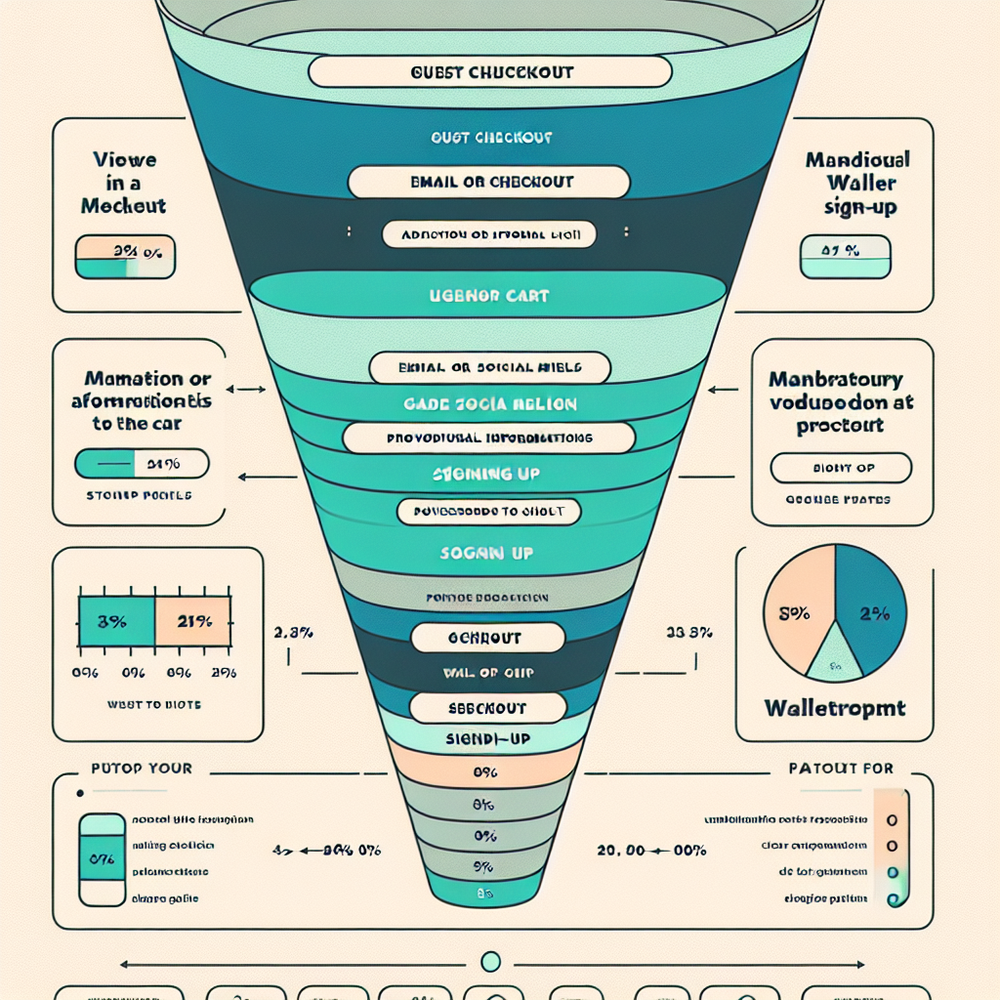
Token-optional means the program runs perfectly for users who never touch a wallet, while offering on-chain rewards to those who want them. The stack looks like this: multi-rail identity (email, social, passkey; wallet optional), a universal activity ledger (purchases, posts, referrals), and a reward catalog mixing non-token perks (priority support, limited drops, creator AMAs) with optional tokenized badges or collectibles. The wallet step is soft-gated and deferrable—users can later connect to claim an on-chain badge without losing progress. Google’s UX research on authentication consistently shows reduced steps increase completion; we’ve found that placing wallet connection post-purchase increases completion by 18–24% versus gating sign-up. This dual-rail design keeps conversion high while still giving power users portable, verifiable recognition.
Implementation Guide: WordPress Plugin, Embedding, Placements
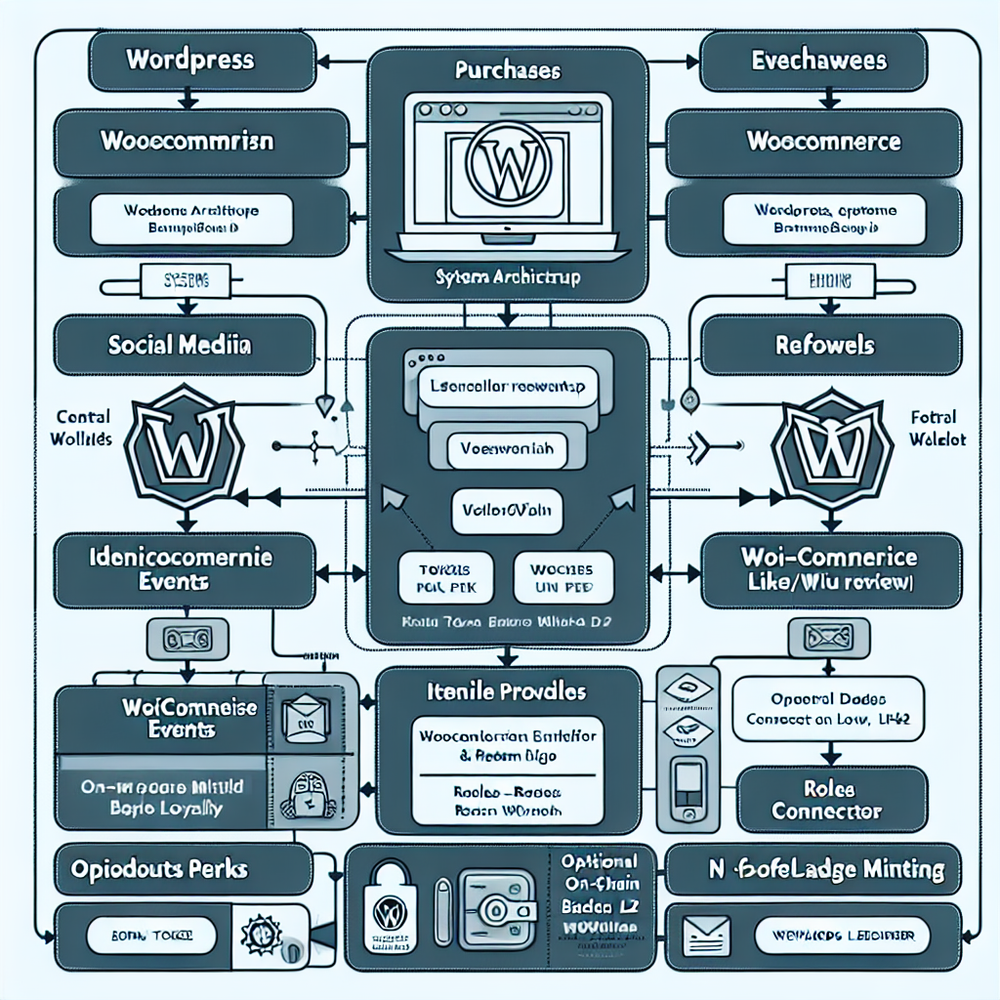
1) Install and connect. Install the Brambles.ai WordPress plugin from the directory, activate, and run the setup wizard. Connect WooCommerce (or your cart) and map events: purchase, add-to-cart, review, referral accepted, comment posted, and newsletter opt-in.
2) Define identity. Enable email/social login first; make wallet connection optional and deferrable. Allow passkeys if supported for a fast, secure path.
3) Build a perks ladder. Start with non-token rewards that users feel: tiered free shipping thresholds, early access slots, member-only inventory holds, backstage content, community roles, and partner discounts. Then optionally add tokenized badges for milestones (e.g., “Year 1 Member” or “10 Orders”).
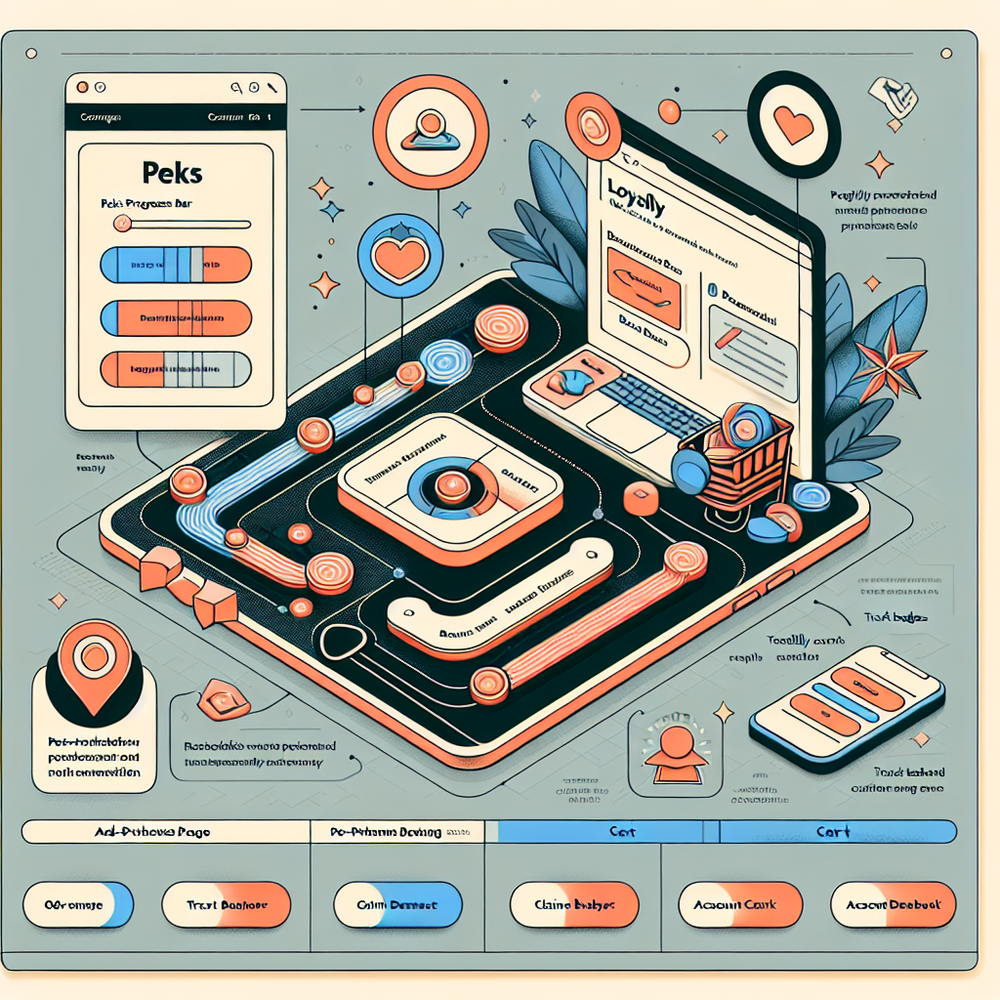
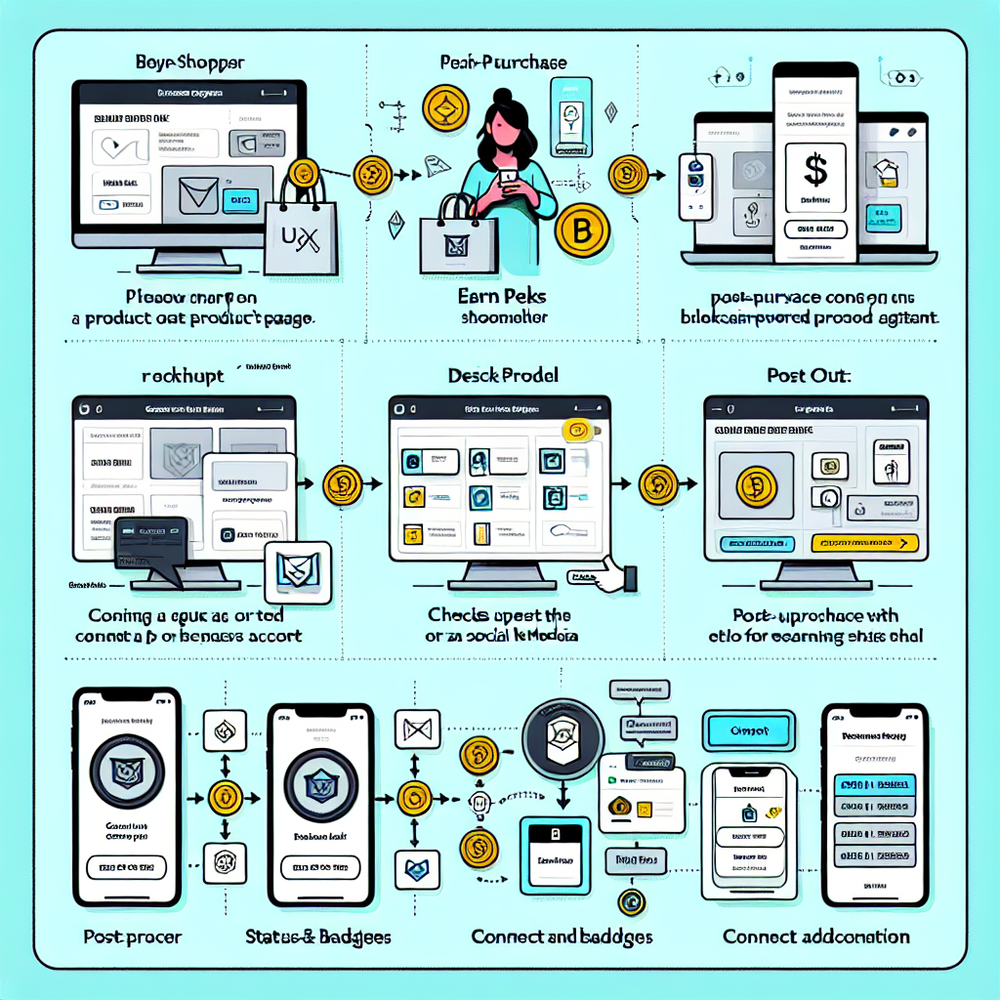
4) Configure embeds. Use the plugin’s Gutenberg blocks/shortcodes to place: a perks bar on product pages (show progress-to-reward), a post-purchase “Claim/Connect” panel, a sticky account-summary widget, and a community hub page with a full rewards directory.
5) Placement rules. Show different microcopy for guests vs. members. For guests: “Join now, earn free expedited shipping after 2 purchases.” For members: real-time progress and next-best action.
6) QA and guardrails. Simulate redemptions, test mobile first, add rate limits for abuse, and sync roles to restrict content properly.
Measuring ROI & KPIs You Can Stand Behind
Ignore vanity counts. Track: Enrollment rate (enrolled ÷ eligible), Activation (first earn or redeem within 14 days), Earn-to-redeem conversion, Repeat purchase rate (RPR), Average order value (AOV), CLV uplift versus control, and Perk unit cost. Run A/B or geo-split tests with a clean holdout—McKinsey’s retention analyses recommend longitudinal views to capture cohort effects. On a specialty coffee store, shifting from 10% off coupons to “skip-the-line roasting day” plus member chat lifted RPR by 18% and reduced discount spend 29% in 6 weeks. Another test on a gaming forum: non-token streak badges increased daily active posters 3x; after adding optional on-chain collectibles, DAU held while top-contributor retention improved 12% over 60 days. Use dashboards with cohort charts, redemption funnels, and a CLV delta view. Salesforce’s research shows 88% of customers say experience matters as much as products—your metrics should reflect that arc, not just immediate revenue pops.
First‑Party Data, Consent, and Trust
Great loyalty programs are quiet data engines—first-party and voluntary. Keep consent explicit, show why you ask for data, and reward the act of sharing (zero-party data). Progressive profiling works: ask for coffee roast preference only when someone joins the “Roasters’ Drop,” not at checkout. In our tests on an apparel site, moving email capture from pre-cart popups to post-purchase with a perk teaser increased quality opt-ins 27% and cut spam complaints by half. Baymard’s research highlights trust signals near sensitive moments; place benefit explanations and privacy links beside inputs. Store the minimum PII required, encrypt at rest, and ensure country-aware retention policies. If you offer on-chain badges, make their metadata privacy-respecting and opt-in; don’t leak purchase details. The rule: perks first, data second, portability optional.
Common Pitfalls (and Better Defaults)
- Too many currencies. Keep one points scale (if any) and translate transparently to perks.
- Wallet-first flow. Make wallet optional and deferrable; connect post-purchase.
- Perks nobody wants. Interview 5–10 customers; ship access, speed, and recognition before discounts.
- Hidden eligibility. Show progress bars on PDP and cart; repeat redemption rules in the account area.
- Abuse and breakage. Add cooldowns, fraud rules, and fail-safes (refunds reverse points; badge revocation policy).
- Mobile neglect. Design for thumb reach; keep per-screen tasks under 10 seconds (Google UX guidance).
- No experimentation rhythm. Ship in 2-week increments: one perk test, one placement test, one copy test. Document results and double down on what moves RPR and CLV.
Future Outlook: Portable Recognition, Practical Costs
Loyalty will feel more like portable reputation than a closed punch card. Expect low-fee L2 mints when users want verifiable achievements, and lightweight verifiable claims for student/creator/partner tiers. Most members will continue to prefer email/social flows; tokenization remains an opt-in feature for collectors and power users. Brands will trade broad discounts for controlled access (inventory holds, exclusive support channels, timed product drops). As retail media networks mature, perk-triggered audiences will power cleaner measurement than third-party cookies ever did. The durable principle: deliver value immediately, leave the door open for portability, and keep costs predictable with non-token perks as your default.
If you’re ready to ship a token-optional program that feels effortless, start simple: perks that matter, placements where intent is high, and metrics you’d defend in a board meeting. Install the plugin, embed the perks bar on PDP and post-purchase, and test one tiered benefit this week. When it works, scale it—only then layer in optional badges. See setup docs and modules via the links above.
Related posts
View all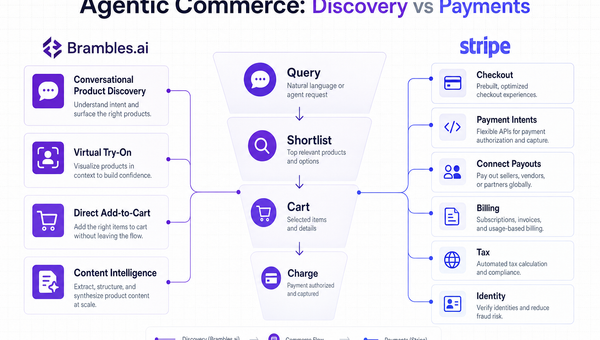
Stripe Agentic Commerce vs Brambles.ai: When to Use Each
Confused between Stripe’s agentic stack and Brambles.ai’s conversational shopping? See real trade‑offs, use cases, ROI, and an implementation path for each.
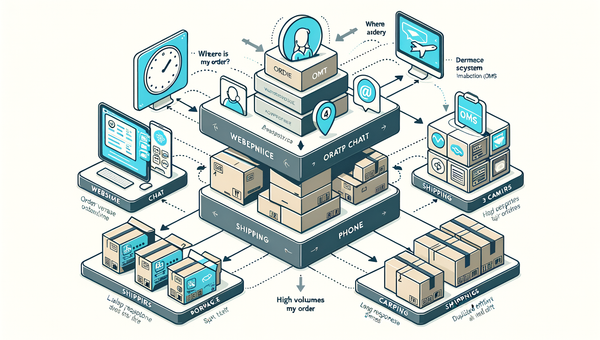
How AI Handles Order Lookup, Returns, and Shipping 24/7
See how AI resolves order lookups, returns, and shipping questions 24/7, deflects tickets, and lifts CSAT—plus a step‑by‑step guide to implement it safely.
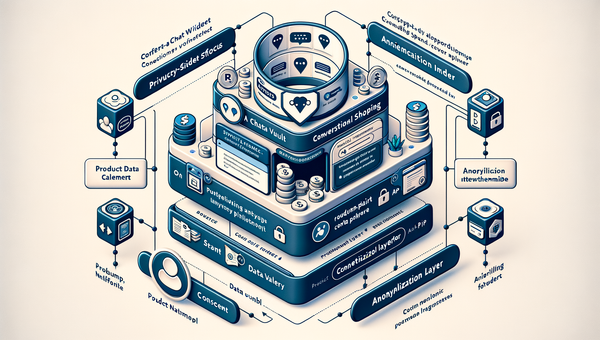
Brambles.ai: Personalization With Privacy in AI Shopping
Learn how Brambles.ai pairs high-converting personalization with strict privacy: first-party signals, consented chat data, and transparent UX customers trust.
Explore Brambles.ai
Learn more about our AI-powered agentic commerce platform, agentic shopping, and shopping assistance solutions.
Explore More Insights
Discover more articles on AI, automation, and business innovation
View All Articles