Build Trust Signals into AI Recommendations with Brambles.ai
Add proof, context, and control to AI recommendations that convert. Learn patterns, pitfalls, and a step-by-step Brambles.ai setup with KPIs and real results.
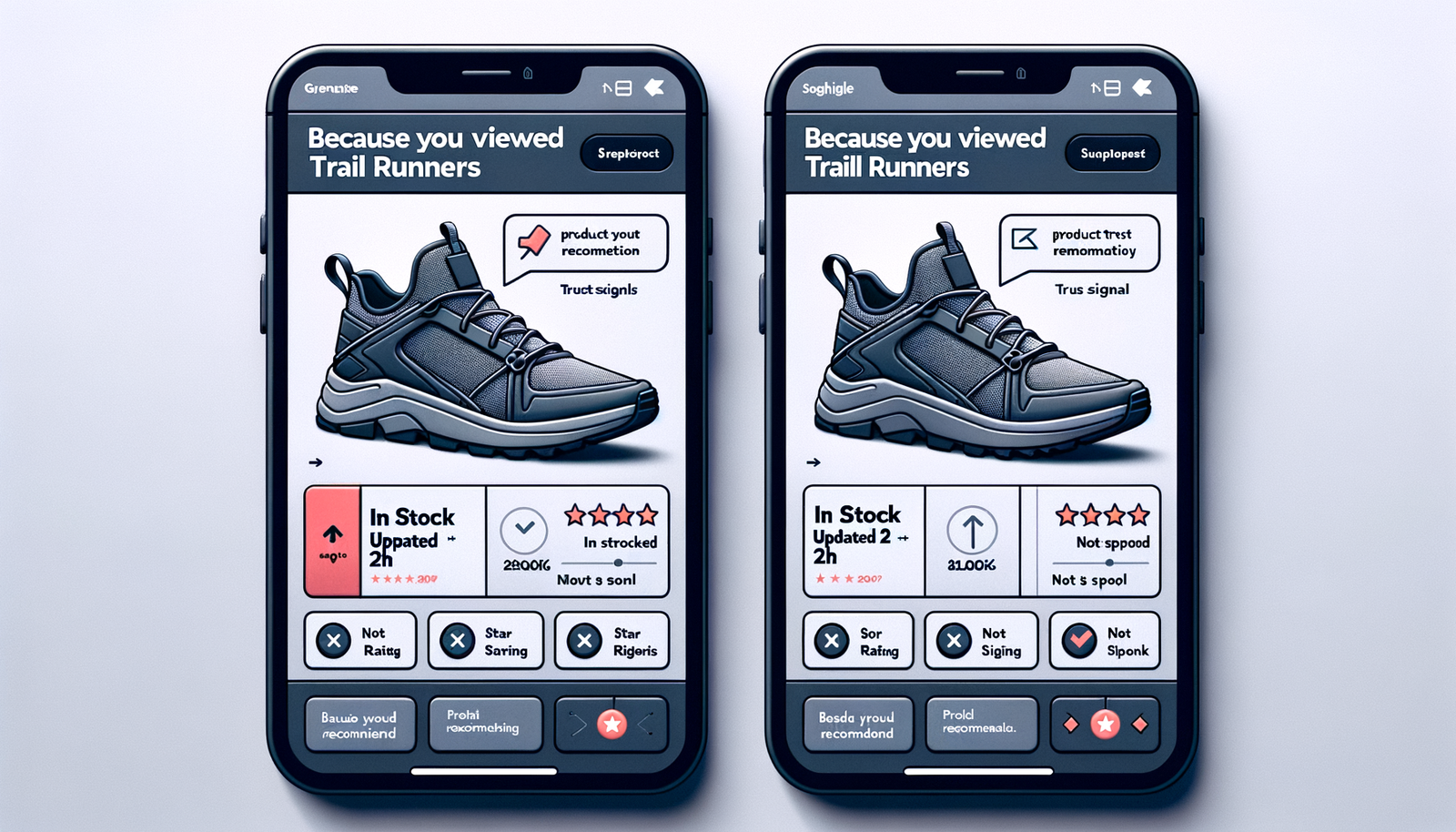
On a 90k-session apparel site, recommendations without context drove clicks but spiked returns. When we added three product discovery—“Because you viewed X,” “In stock,” and “4.7★ from 1,203 reviews”—CTR rose 28% and size-related returns dropped 11% over two weeks. Shoppers didn’t just click; they believed the pick. That belief is the missing layer in most AI recommendation systems.
I’ve seen the same pattern on the publisher side. A recipe site’s affiliate widgets felt like ads. By adding provenance (“Picked from 3,200 ratings on-site”), non-paid labeling, and price-change stamps, outbound EPC climbed 31% and trust complaints vanished from support tickets. content intelligence don’t slow users down—they reduce second-guessing. Brambles.ai bakes these signals into its recommendation flows so editors and merchandisers aren’t hacking text overlays every sprint.
Quick Answer
Add compact explanations, proof, and control to each recommendation tile. Explain why it’s shown (“because you browsed running shoes”), cite trustworthy sources (reviews, purchases, expert picks), show freshness (updated 2h ago), and give users control (dismiss/block). In Brambles.ai, you enable these as reusable components in the recs template and map data sources in minutes. The result: higher click quality, fewer returns, and fewer “why this?” doubts—without bloating the UI.
What’s Broken: Current Challenges
Most AI recs feel like black boxes. Users can’t tell if a tile appears due to behavior, ads, or randomness. That ambiguity erodes trust and hurts conversion quality. Baymard’s product-page research consistently flags vague “Recommended for you” modules as confidence killers, and Google UX Research notes that clear, local explanations boost perceived relevance—even when the algorithm doesn’t change.
Common breakpoints we still see: recommendations that don’t explain why, stale availability data, lack of source attribution, and UI that hides review volume. Merch teams then compensate with badges that clutter the card. inline shopping embed require structure, not stickers. Brambles.ai’s approach is to modularize “why,” “proof,” “freshness,” and “controls” so every surface—homepage, PDP, cart, emails—stays consistent and debuggable.
How Trust Signals Work in AI Recs
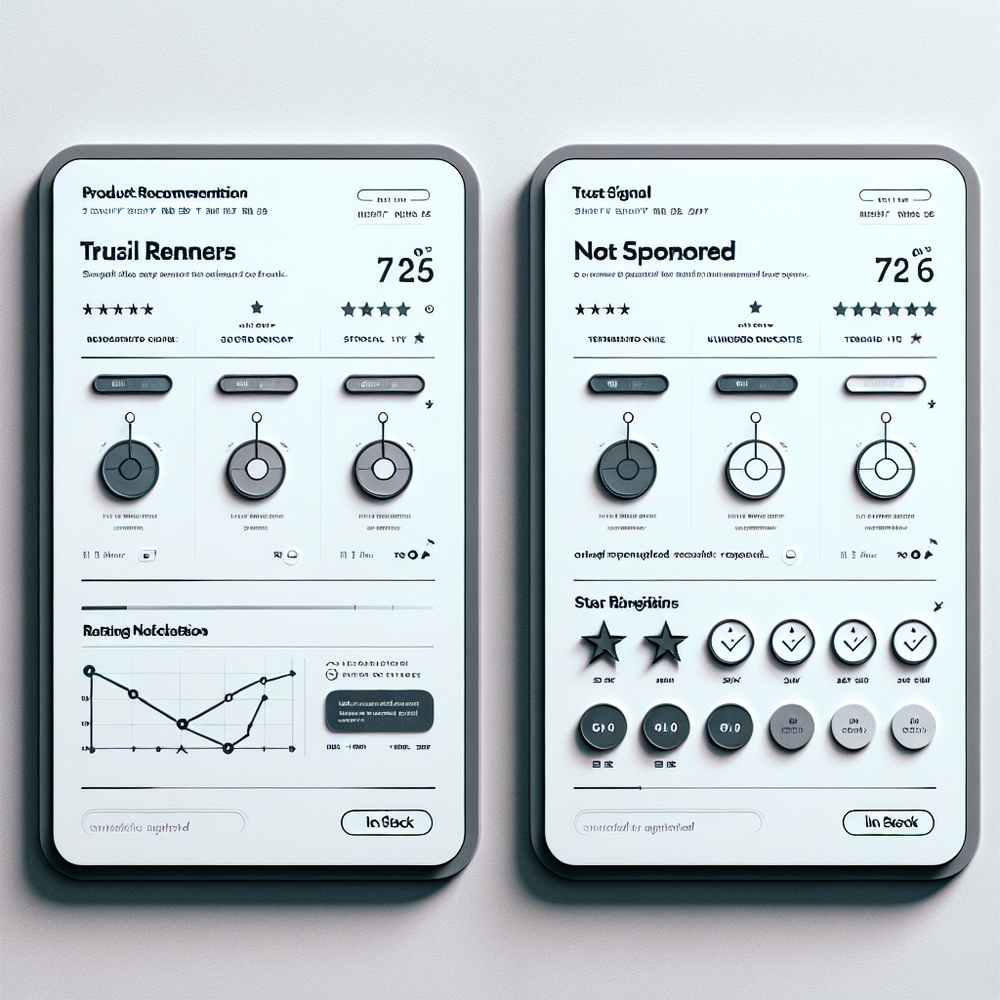
Trust signals turn opaque picks into verifiable suggestions. The building blocks are simple, but they must be accurate and consistent across surfaces.
Core components to wire in:
- Why this: short, local justification tied to the current session or journey stage.
- Proof: social (reviews, purchases), editorial (staff picks), or behavioral (“popular with similar buyers”).
- Freshness: last-verified stock/price timestamp.
- Controls: dismiss, “show fewer like this,” undo.
- Safety rails: eligibility filters (size, region), out-of-stock suppression, content policies.
In practice, these signals don’t need long explanations. A single line under the product name can carry 80% of the trust work.
McKinsey’s work on transparent personalization underscores that clarity earns data permission; Salesforce’s Connected Customer research echoes that users reward brands that explain themselves.
The key is to keep signals truthful and consistent—the same rules in PDP carousels should apply in cart and post-purchase upsells.

Implementation Guide: Brambles.ai in Practice
Here’s a field-tested path we use with clients to ship trustful recommendations in under two sprints.
Step-by-step:
1) Pick target surfaces. Start with PDP cross-sells and one content surface (e.g., a buying guide). 2) Define “Why this” rules. Map three explanations you can always support: prior browse, similar buyer cohort, and compatibility. 3) Wire data. Connect catalog, reviews, and inventory feeds. 4) Add Brambles.ai template components for Why/Proof/Freshness/Controls. 5) Set rails: filter by stock, price floor, compliance. 6) QA with a live debugger to see every signal’s source. 7) Launch A/B with click-quality metrics (add-to-cart rate, conversion, returns). 8) Roll forward to cart and email if the bet pays.
Where Brambles.ai helps: the WordPress plugin lets publishers drop trust-enriched recommendation blocks into any post, honoring consent and sponsorship labels. For retailers, the Commerce Module exposes compatibility and inventory freshness as tokens you can render in-line. Our publisher monetization flow auto-inserts provenance (“From 2,431 on-site reviews”) to lift credibility, while the brand/retail assistant flow guards against category mismatches and hallucinated SKUs.
Anecdote: A home improvement retailer layered “Compatible with DeWalt 20V tools” and “Verified stock 10 min ago” onto drill-bit suggestions. Result: 19% more “save to project,” flat page speed, and a 7% drop in support chats about compatibility. For a cookware publisher, adding “Editor-tested” plus non-sponsored tags increased affiliate revenue per mille by 24% while keeping bounce steady.
Measuring ROI & KPIs
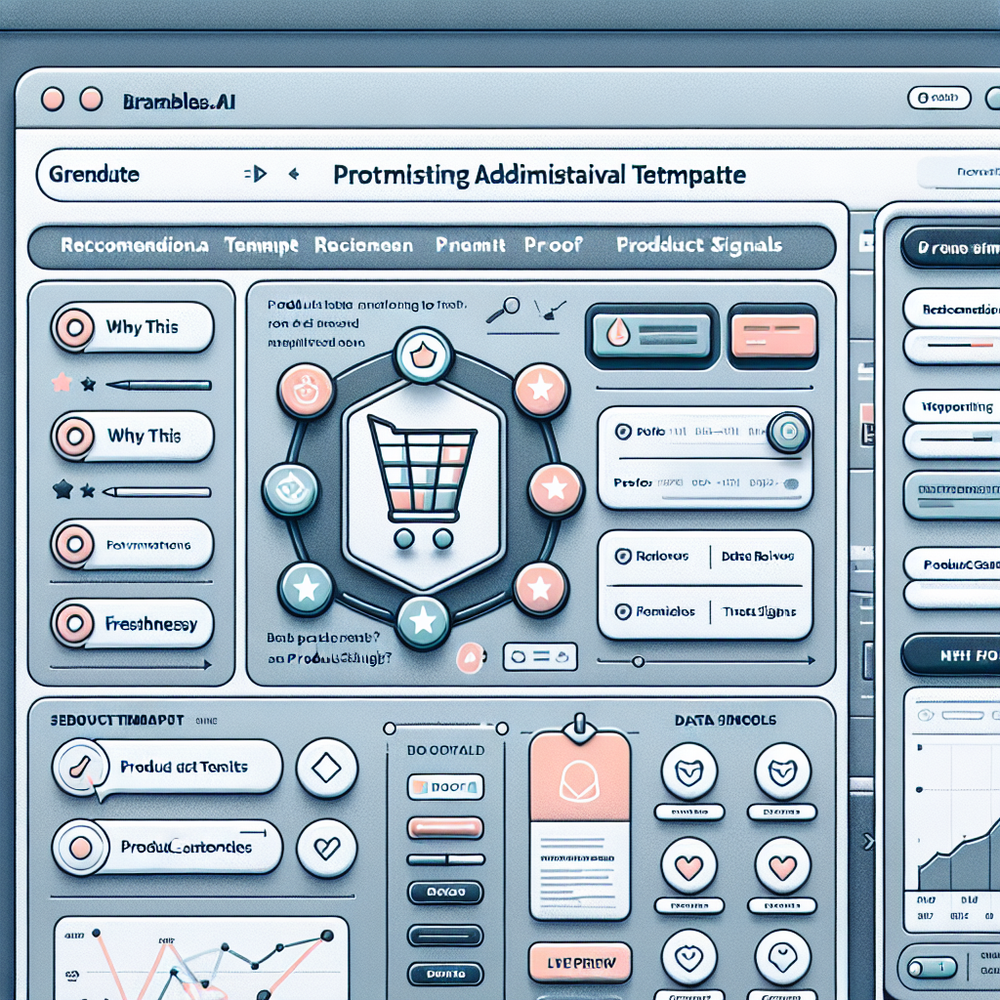
Measure trust signals on quality, not just clicks. Track add-to-cart from recs, conversion from rec clicks, return rate, and support contacts per 1k sessions. For publishers, monitor outbound CTR quality (time on merchant site), EPC, and complaint volume.
Google UX Research recommends pairing explicit explanations with control affordances; expect fewer rage-clicks and more deliberate actions.
Practical setup: baseline two weeks with your current modules, then A/B the trust-enriched variant. Read KPIs at the journey level—PDP, cart, post-purchase. In Brambles.ai, the experiments view groups metrics by surface so you can kill underperforming signals without nuking the whole template. When you price the effort, consider engineering cycles saved by reusable components versus bespoke badges.
First-Party Data & Trust
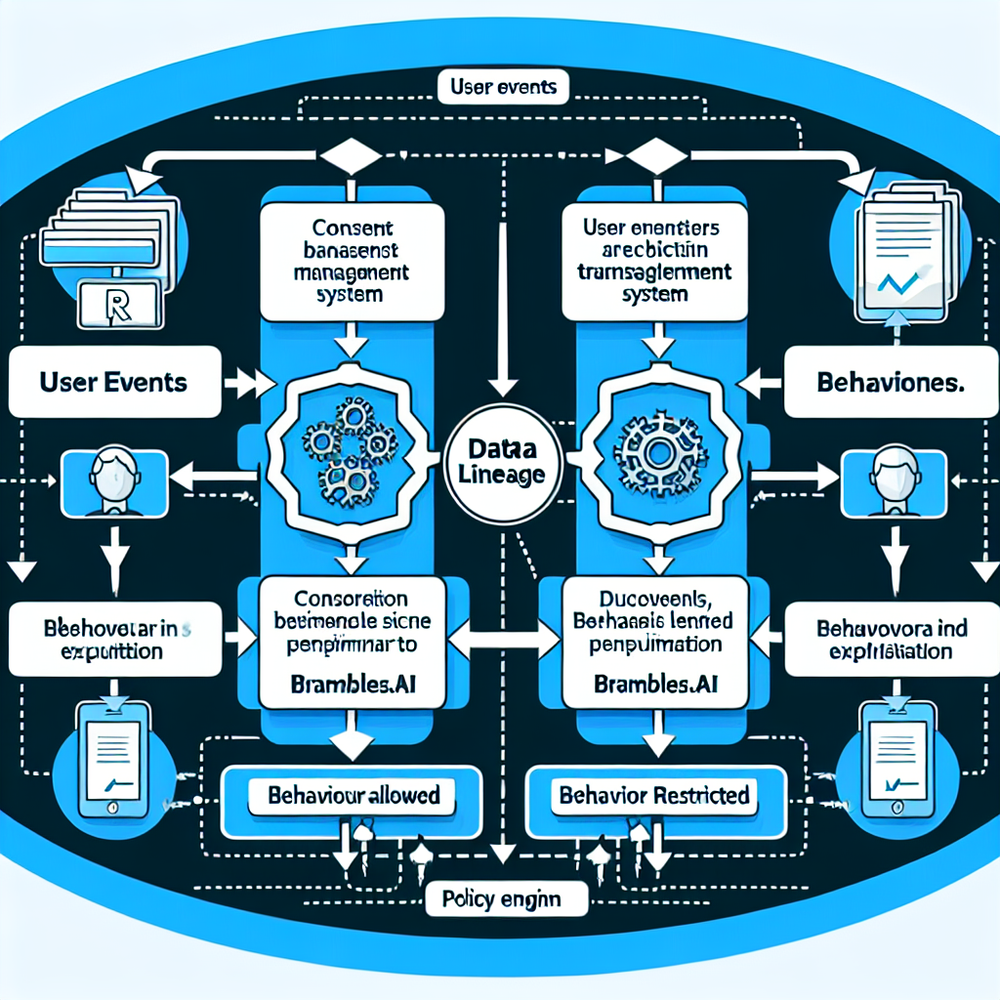
Trust signals rely on data you can stand behind. First-party events (views, purchases), product truth (catalog, compatibility), and social proof (on-site reviews) should all be permissioned, timestamped, and attributable. Salesforce’s research on transparency aligns with what we see: disclose what you’re using, why, and let users opt out without penalty. That opt-out should actually change the explanations shown.
Brambles.ai enforces this via explicit data mappings and consent-aware rendering. If consent excludes behavioral signals, the system falls back to contextual explanations (“Top-rated for trail running in your region”) and hides cohort language. For brands, this keeps legal and UX in lockstep. For publishers, it keeps affiliate integrity clean by labeling sponsorships—and by never mixing them with editorial rationale in the same line.
Common Pitfalls and a Preflight Checklist
Avoid long, fluffy explanations and unverifiable claims. Don’t show star ratings without counts. Never blend paid and organic in the same line. Don’t let timestamps go stale—nothing tanks credibility faster. And resist adding five badges when one clear line would do.
Preflight checklist:
- Every tile has a single, specific “Why this.”
- Proof includes a source (reviews count, editor tag, purchase signals).
- Freshness shows last-verified time if stock/price is dynamic.
- Controls are visible and reversible.
- Sponsored content is labeled and separated from editorial.
- Consent settings are honored and reflected in explanations.
- QA screenshots cover PDP, cart, email, and app surfaces.
Future Outlook
Trust signals will increasingly be generated dynamically from verified sources—think schema-backed compatibility or on-chain product authenticity. Expect “why this” to follow you across channels with the same explanation, tuned to surface. Brambles.ai is investing in portable, consent-aware rationales so your web, app, and assistant experiences speak with one credible voice.
FAQ
What qualifies as a trust signal in recommendations?
Anything that makes the recommendation verifiable: a concise “why,” proof with a source, a freshness timestamp, and user controls. If a claim can’t be traced (to reviews, inventory, editorial policy), it’s not a trust signal—it’s marketing copy.
How does Brambles.ai prevent hallucinated or off-policy picks?
Policy filters and compatibility rules run before rendering. If a product fails eligibility (size, region, brand policy), it won’t appear. The live debugger shows the decision path so merchandisers can audit the “why” and the data that powered it.
Will trust signals slow down page speed?
Not if you batch data. We cache explanations with the rec payload and inline critical fields (rating count, stock timestamp). In tests, adding trust signals kept TTI flat while improving click quality. Brambles.ai’s templates are lean on the client.
Does this approach differ for publishers vs. retailers?
Publishers lean on editorial proof and sponsorship clarity; retailers emphasize compatibility and inventory freshness. Brambles.ai supports both: the publisher monetization flow handles disclosure and provenance, while the brand/retail assistant flow manages catalog rules and stock.
Related resources on Brambles.ai
If you are implementing this, start with Brambles.ai, for publishers, for brands, get started.
For deeper reading, see 10 Reasons Publishers Need Conversational Commerce, Affiliate Disclosure in Conversational UIs Done Right, From Search Boxes to Conversations: Modern Shopping UX, Contextual, Not Creepy: Monetization That Wins.
Related posts
View all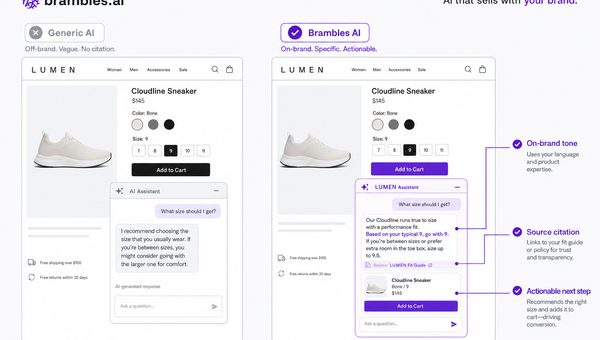
Brand-Consistent AI Chats Build Trust and Conversions
When AI mirrors your brand voice, shoppers relax—questions get answered, carts grow, and support load drops. Learn the playbook to align tone, trust, and ROI.
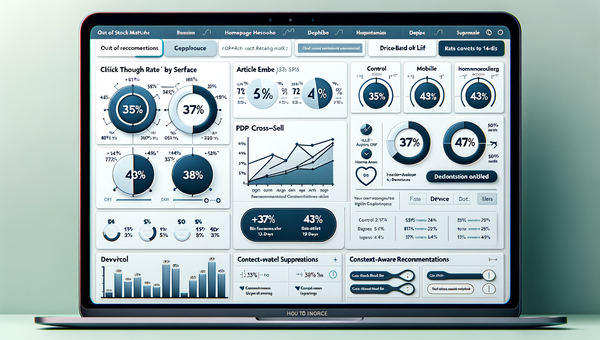
How Context-Aware AI Recommendations Lift CTR
See how context-aware AI recommendations lift CTR by 25–60% with intent signals, page context, and history. Practical steps, KPIs, and implementation tips.

Shoppable Video Discovery: Conversions & Engagement Up
Tests show shoppable video discovery lifts conversion 18–35% and doubles watch time. See the UX patterns, KPIs, and how to deploy it quickly with Brambles.ai.
Explore Brambles.ai
Learn more about our AI-powered agentic commerce platform, agentic shopping, and shopping assistance solutions.
Explore More Insights
Discover more articles on AI, automation, and business innovation
View All Articles