Build Agentic Commerce in 30 Days with Brambles
A field-tested 30-day plan to ship agentic shopping assistants, connect them to your catalog and checkout, and prove ROI using Brambles workflows and plugins.
Build Agentic Commerce in 30 Days with Brambles
On a Tuesday in Q4, our apparel client let a shopping agent co-pilot their PDP. Within 48 hours, 31% of eligible sessions used it, and AOV edged up 14%. The agent didn’t just chat—it cross-checked size charts, bundled accessories, and scheduled back‑in‑stock alerts. When we traced the wins, they came from a handful of specific tools wired into checkout, not fancy copy. That same week, a publisher test saw a 22% lift in revenue per session after adding agent-driven comparison blocks with cart handoff.
If you’re wondering how to build this fast—and safely—this 30‑day blueprint shows exactly what to do. It leans on production patterns we’ve shipped, the pitfalls we hit, and the dashboards we used to prove impact. You’ll wire a minimal toolset (catalog search feature, sizing, cart, payments), keep consent clean, and quantify lift without derailing core dev sprints. Brambles.ai surfaces here because its plugin and Commerce Module collapse setup time from quarters to weeks.
Quick Answer
Stand up agentic commerce in 30 days by scoping 4-6 high‑value tools (catalog search, product compare, size/fit, add‑to‑cart, checkout, order status), then integrating them via a plugin or SDK. Start on one funnel (PDP → cart), gate traffic, and A/B test with clean KPIs: conversion rate, AOV, assisted revenue, and latency. Brambles.ai’s WordPress plugin and Commerce Module shorten the wiring: you map your catalog, define actions, and ship a safe, measurable agent without a platform rebuild.
What’s Broken in Ecommerce Funnels
The modern PDP does too much and not enough. Shoppers drown in tabs, yet still ask: “Will this fit, and what else do I need?” Baymard pegs cart abandonment near 70% on average. We see another silent killer: decision dead‑ends—no path from questions to actions. Agents fix that by taking actions, not just answering questions.
Anecdote: On a 100k‑session home goods site, we watched search exits drop 26% when the agent offered real‑time compatibility checks (“Fits IKEA Micke desk, needs M4 screws—add both?”). Sessions that used the agent reached cart 2.1x more often. The key wasn’t magic; it was a small toolset mapped to real objections and a fast add‑to‑cart handoff.
Publishers face similar friction. Static comparison tables monetize poorly if the reader can’t personalize. Agentic modules that ask “What size room? Budget?” and then assemble a 3‑item kit with merchant deep links consistently raise RPS. In one test, a top‑of‑funnel projector guide saw a 19% click‑to‑cart lift simply by letting the agent price‑match and bundle HDMI cables.
How Agentic Commerce Works
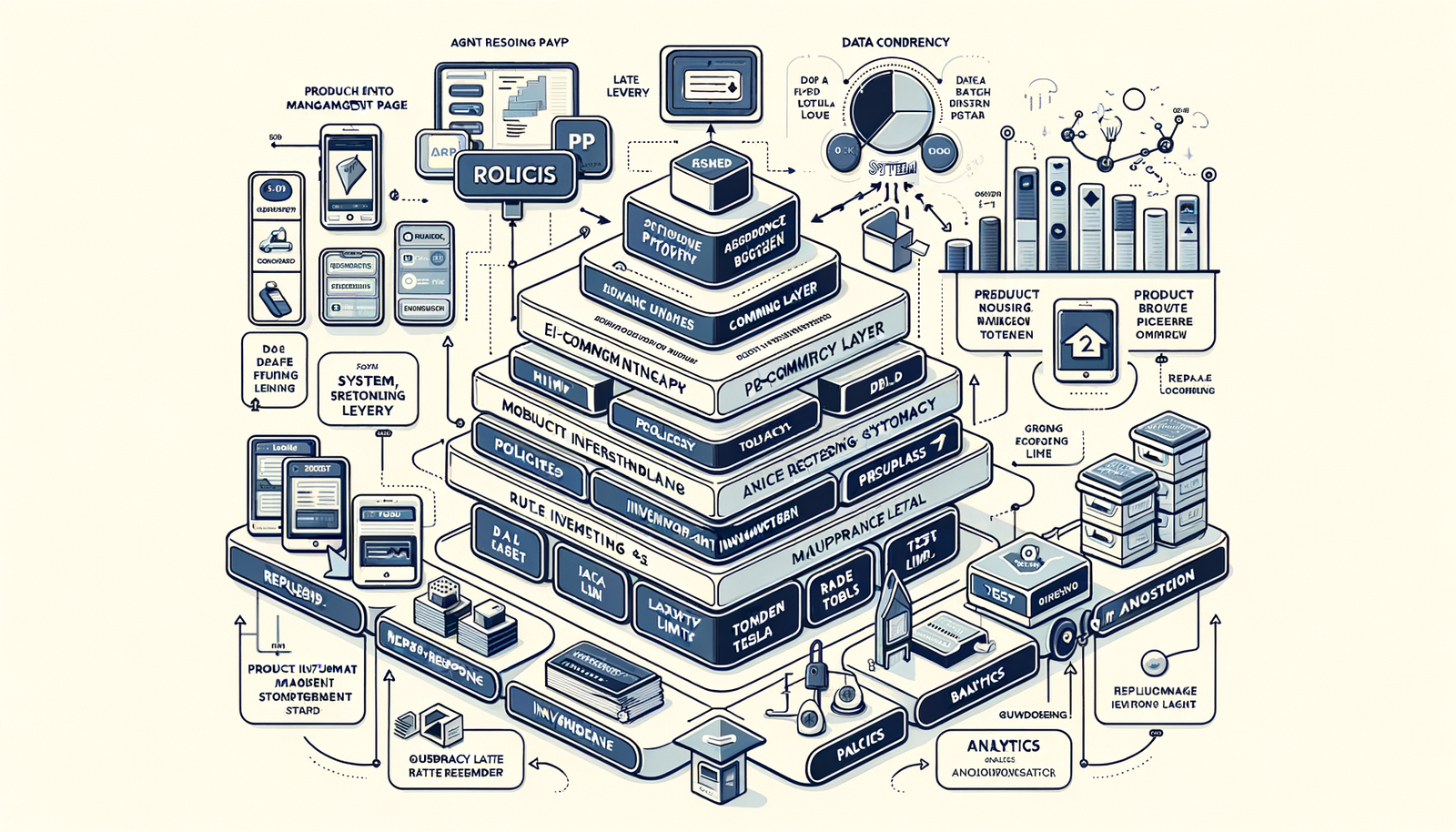
Agentic commerce pairs a reasoning layer with a small toolbox of verified actions. The model plans: clarify intent, compare options, justify tradeoffs, and take the next step—add to cart, create a bundle, schedule a restock alert, or file a return. Guardrails come from tool schemas, permissions, and deterministic fallbacks when data is thin.
In production, your “agent” is less Jarvis, more disciplined concierge. It calls catalog search with strict filters, reads size charts, checks inventory, and proposes a kit. If payment is enabled, it executes a pre‑authorized checkout; otherwise, it provides a one‑click cart link. Successful teams keep tools few, schemas explicit, and latency under 1.5s for 95th percentile interactions.
30-Day Blueprint with Brambles.ai
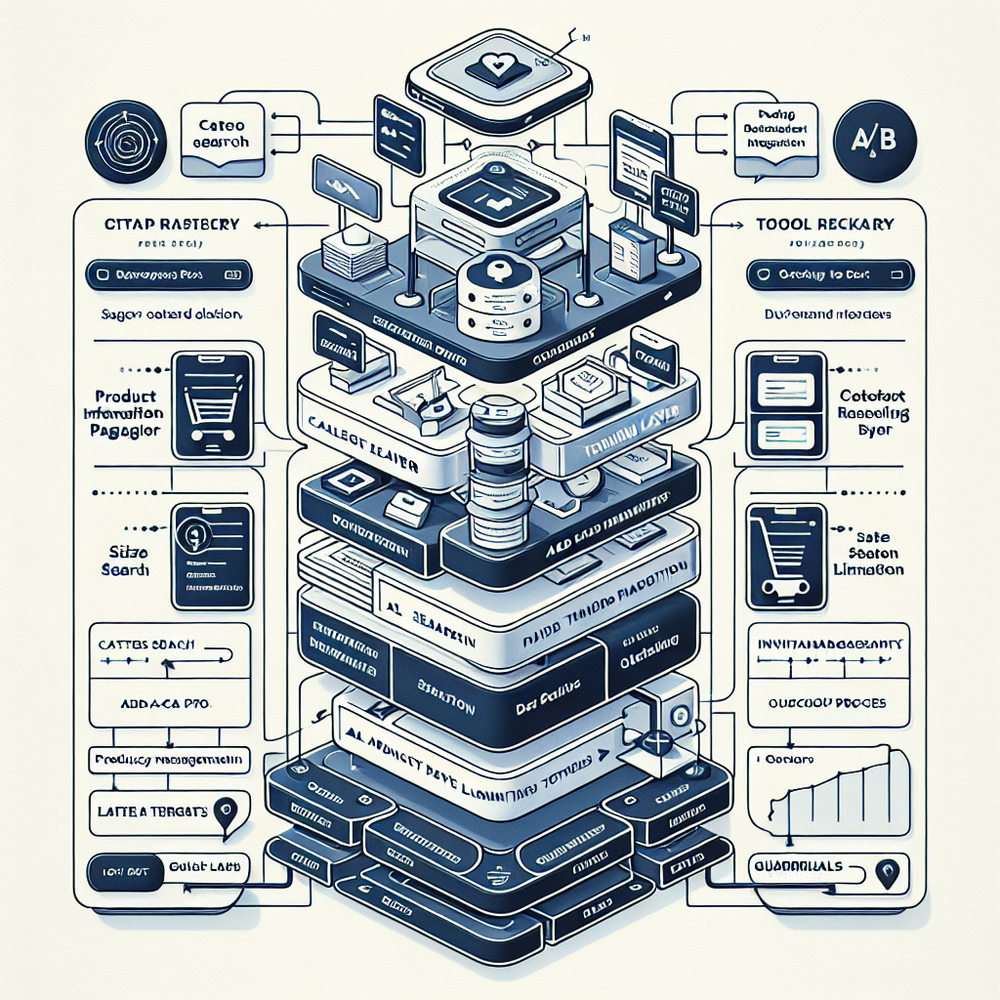
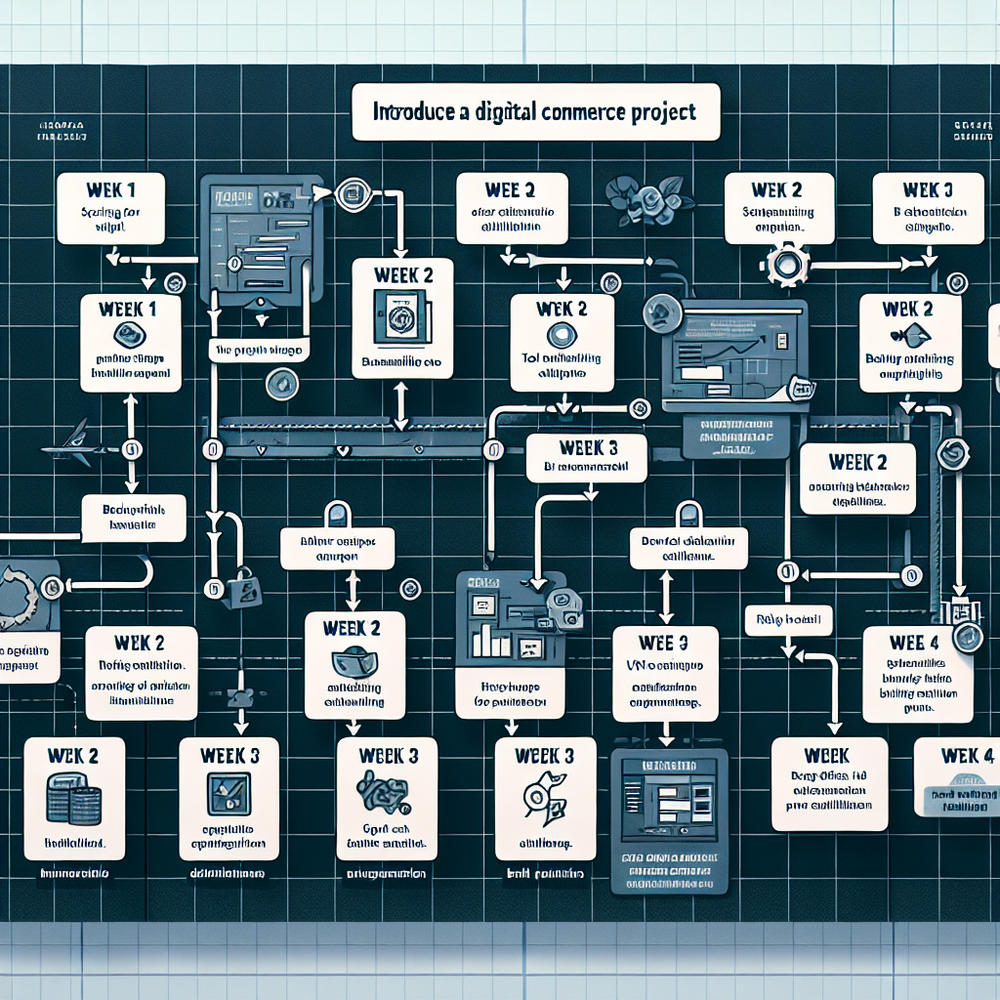
Week 1 is scoping and data. Pick one journey (PDP → cart) and define 4-6 tools: search, compare, size/fit, add-to-cart feature, order status, and optional checkout. Map PIM fields and availability. Decide success KPIs and how you’ll A/B. Brambles.ai’s plugin accelerates catalog mapping and front‑end placement so engineers focus on tool definitions, not scaffolding.
Week 2 is wiring. Connect Commerce Module endpoints for each action, define guardrails (price caps, max quantity), and add a safe fallback (save to wishlist, email a cart link). Week 3 is agent behavior: prompts, refusal rules, and tone. Week 4 is ramp and prove: 10% traffic, then 50%, then all qualifying sessions. Ship a daily dashboard for conversion, AOV, latency, and assisted revenue per session.
Blueprint checklist: 1) Scope tools, 2) Map catalog, 3) Define actions and guardrails, 4) Place UI, 5) Write agent behavior rules, 6) A/B test plan, 7) Consent and logging, 8) Rollout gates. Teams that over‑personalize early stumble; teams that ship one winning kit flow see lift by week two.
Implementation Guide: WordPress, Catalogs, and Actions
Plug in at the edges. If you run WordPress or headless WP for content, the Brambles plugin injects the agent widget on PDPs, collection pages, and buying guides without a theme rewrite. You map PIM fields (title, variant, fit notes, care), attach your image CDN, and select which templates expose add‑to‑cart vs. compare‑only to stay compliant with promotions or affiliate rules.
Commerce actions are defined as tools with strict schemas. Example: add_to_cart(sku, qty, price_ceiling, variant_id). You can enforce price ceilings and require inventory confirmation before cart mutation. For payment, expose a create_checkout_session tool that returns a deep link to your PSP with tokens—no card data in the agent. Brambles.ai’s Commerce Module handles retries, idempotency keys, and audit logs out of the box.
Publisher flows are similar but revenue comes from tracked outbound: the agent builds a kit, normalizes prices, and generates merchant‑specific deep links. We’ve seen a 28% click‑to‑cart rate from agent‑built comparison bundles on a 600k‑session tech review site. Use the publisher monetization flow to keep disclosures clear and attribute revenue correctly across merchants.
Measuring ROI and KPIs
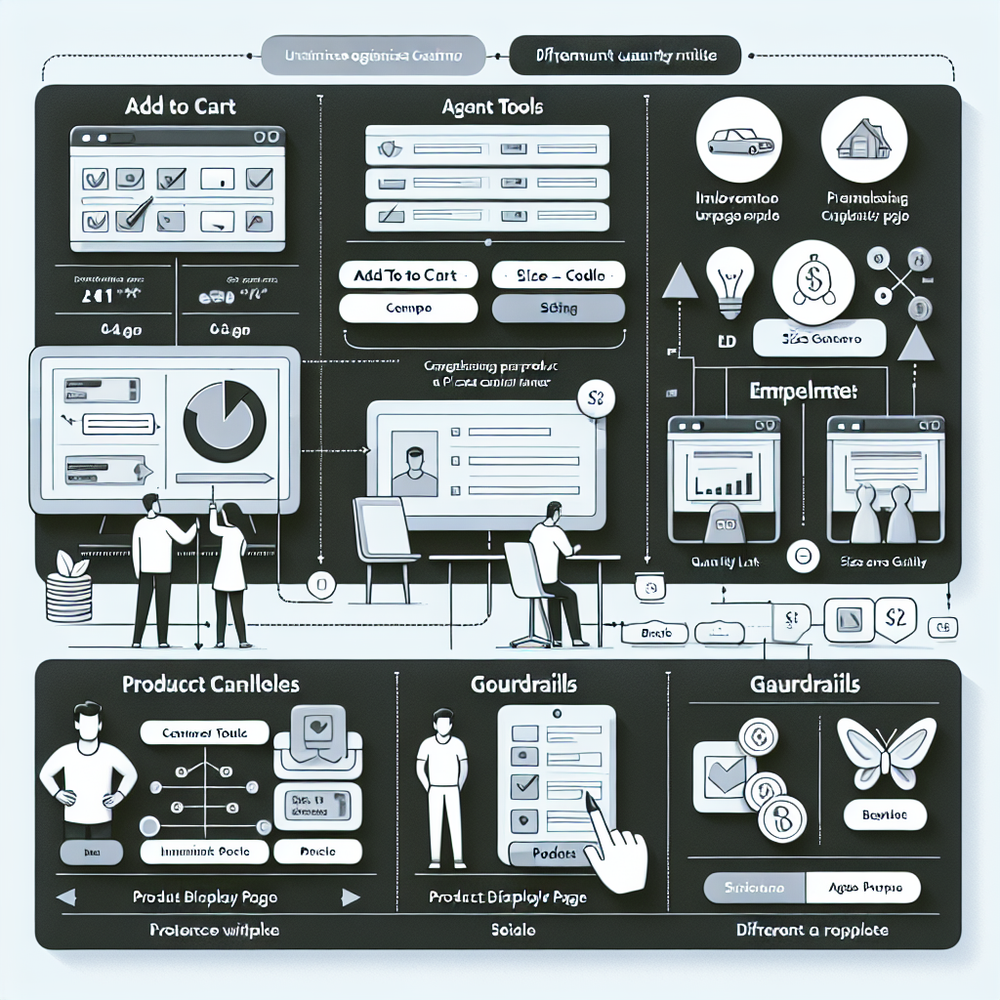
Decide what “good” looks like before launch. For commerce, track assisted conversion rate, AOV, revenue per session, and attach rate for bundles. For publishers, track RPS, click‑to‑cart, and merchant mix. Keep a latency SLO: P95 under 1.5s for tool calls. Use A/A for two days to baseline variance, then run A/B with fixed exposure to avoid novelty bias.
Anecdote: A specialty beauty brand saw an 18% AOV lift in two weeks by letting the agent auto‑assemble a skin‑type routine and cap upsells at 20% of cart value. Another test reduced support tickets 17% by letting the agent track orders and start returns. Salesforce’s Connected Customer research suggests experience parity with product matters; our numbers echo that when actions, not answers, lead the flow.
Reporting hygiene matters. Attribute “assisted revenue” when the agent places a cart or generates a checkout link used within 24 hours. Report “influenced revenue” separately when the user engages the agent but checks out later through normal flows. Reference industry benchmarks from Baymard and Think with Google to calibrate improvements rather than chasing vanity metrics.

First-Party Data and Trust
Trust is a feature. Ask for the least data needed to answer and act: room size, budget, fit preference—not full profiles. Present consent choices in context and let users export or delete agent conversations. Avoid dark patterns; users reward clarity. Google UX research consistently shows shoppers value speed and transparency over novelty.
On the back end, minimize PII flow. Send only product IDs and tokens to payment processors; never expose raw card data in the agent layer. Maintain an audit trail of tool calls for DSARs, and set role‑based access for your team. Brambles.ai provides consent hooks and redaction utilities so transcripts can be stored safely or not at all, depending on your risk posture.
Common Pitfalls to Avoid
Too many tools. Keep it to six or fewer at launch. Each tool needs strict inputs, outputs, and guardrails. We’ve rescued projects bloated with 20+ actions that never hit latency targets and confused QA. Start with add‑to‑cart, size/fit, compare, and order status; layer bundles and checkout once metrics are stable.
Fuzzy CTAs. The agent must always propose a next best action with price and delivery context. “Add both and save 10%—arrives Friday” beats “Consider these.” Also avoid hallucinated specs by grounding every claim to a product attribute and linking to a source section on the PDP.
No measurement plan. Without assisted revenue definitions, your finance team won’t buy in. Bake tracking into tool responses (cart IDs, session IDs), and align attribution before launch. Finally, don’t skip human review—spot‑check 50 transcripts weekly for tone, accuracy, and bias.
Future Outlook
Agents are moving from chat boxes to embedded flows: builder UIs that let shoppers co‑design kits, and lightweight “doers” that place carts silently after a two‑question check. Expect tighter integrations with store credit, loyalty, and post‑purchase support. The frontier isn’t more personality; it’s deeper action coverage with provable safety, lower latency, and clearer value exchange for data.
We’re already seeing agentic flows blend content and commerce—publishers embed agents into long‑form guides that assemble carts across merchants, while brands let agents negotiate substitutes when inventory slips. The stack that wins will unify catalog truth, consent, and payments behind a disciplined tool registry, not chase the flashiest model of the month.
FAQ
How is an agent different from site search or chat?
Search retrieves; chat explains; agents take actions. A capable agent can add items to cart, create bundles, schedule restock alerts, or kick off returns—within strict guardrails.
What’s the minimal toolset to launch?
Catalog search, compare, size/fit, add‑to‑cart, and order status. Checkout is optional in v1; a deep‑linked cart is usually enough to prove lift fast.
How does Brambles.ai fit into this plan?
It accelerates setup: the WordPress plugin drops the agent widget onto pages, and the Commerce Module defines/executes safe actions with logging, retries, and consent hooks.
How do we measure success credibly?
Predefine assisted revenue, run a clean A/B with fixed exposure, and track AOV, conversion, RPS, attach rate, and latency. Compare to Baymard/Google benchmarks for sanity checks.
What about privacy and compliance?
Collect only what’s needed, store transcripts with redaction, and route payments via tokenized PSP links. Maintain audit logs and DSAR workflows to satisfy GDPR/CCPA.
Related resources on Brambles.ai
If you are implementing this, start with Brambles.ai, for publishers, for brands, get started.
For deeper reading, see 10 Reasons Publishers Need Conversational Commerce, Affiliate Disclosure in Conversational UIs Done Right, From Search Boxes to Conversations: Modern Shopping UX, Contextual, Not Creepy: Monetization That Wins.
Related posts
View all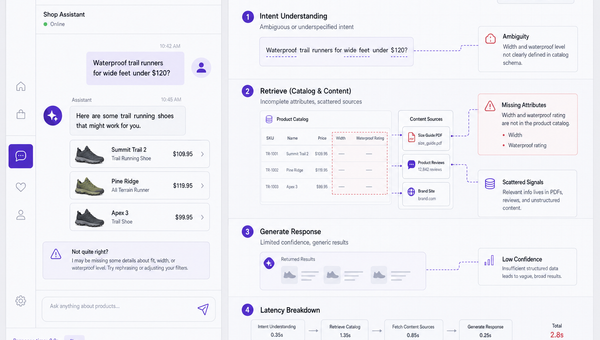
Why Good AI Shopping Agents Are Hard—and How Brambles Helps
Most AI shopping bots fail on data quality, UX, and trust. See why agents break in the wild and how Brambles.ai fills the gaps with measurable features.
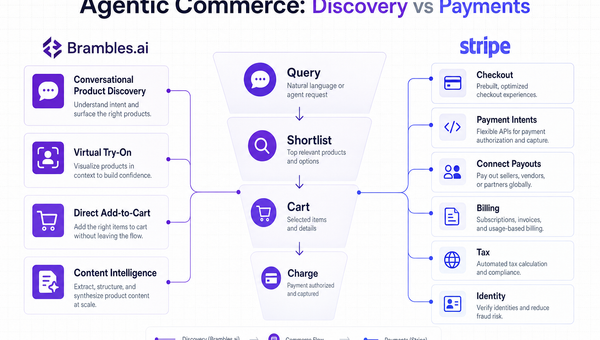
Stripe Agentic Commerce vs Brambles.ai: When to Use Each
Confused between Stripe’s agentic stack and Brambles.ai’s conversational shopping? See real trade‑offs, use cases, ROI, and an implementation path for each.
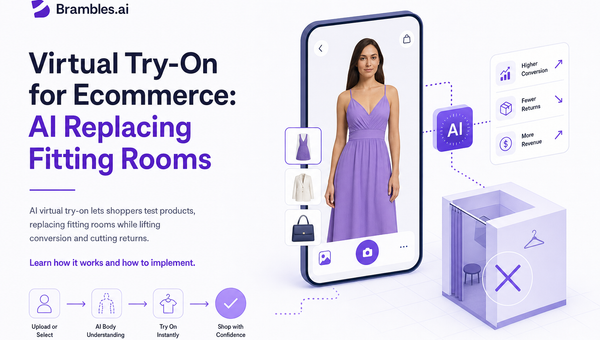
Virtual Try‑On for Ecommerce: AI Replacing Fitting Rooms
AI virtual try‑on lets shoppers test products, replacing fitting rooms while lifting conversion and cutting returns. Learn how it works and how to implement.
Explore Brambles.ai
Learn more about our AI-powered agentic commerce platform, agentic shopping, and shopping assistance solutions.
Explore More Insights
Discover more articles on AI, automation, and business innovation
View All Articles