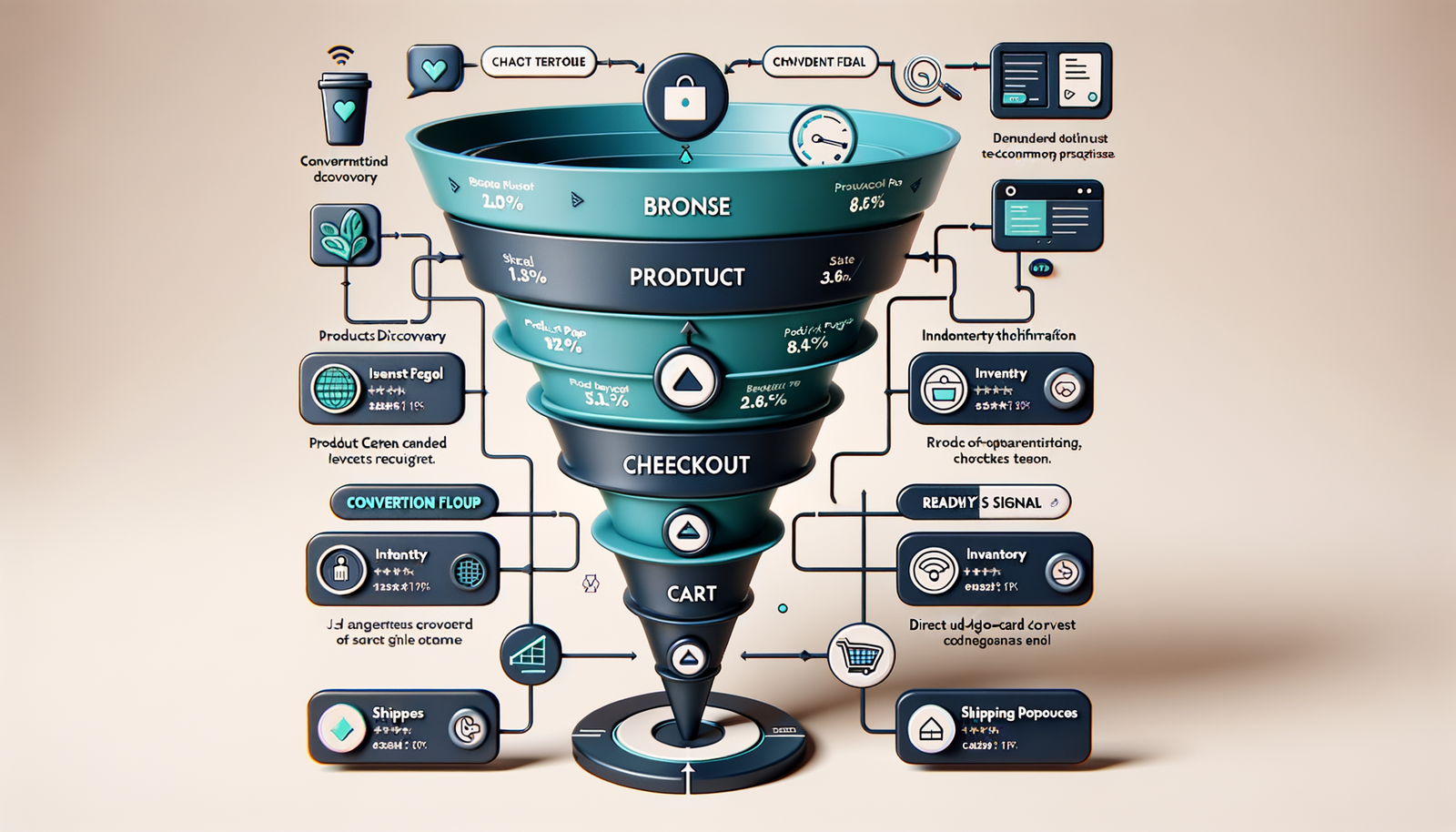
Auto‑Buy and Agentic Purchase Readiness with Brambles.ai
See how Brambles.ai operationalizes auto-buy via agentic purchase readiness—multi-signal checks, trust gates, and direct-to-cart flows that convert intent.
Three weeks after we shipped a “Buy it for me if the price drops” flow for a home goods publisher, 31% of price‑watchers converted without returning to the site. The agent handled price checks, stock, shipping windows, and pre‑approved cards, then dropped items straight into checkout the moment thresholds were met—no human ping‑pong. In a separate test on a 100k‑session apparel site, enabling auto‑buy readiness cut time‑to‑purchase from 23 minutes to 6 and lifted assisted conversion by 39%. The pattern is clear: when the assistant knows a shopper is truly ready—and has permission—it should complete the job.
Quick Answer
Brambles.ai supports auto-buy by maintaining an “agentic purchase readiness” state: a live score backed by verified signals—identity, budget, product fit, inventory, shipping, and returns. When readiness crosses your policy threshold, the assistant uses Direct Add to Cart and stored preferences to place the order (or stage checkout) with clear consent, fallbacks, and audit trails. Result: fewer clicks, faster decisions, and safer hands‑off conversions.
What’s Broken in Today’s Purchase Flow
Most carts die before checkout because the assistant can’t confidently act. Shoppers ask, “Will this fit my space? Can it arrive Friday? What’s the final price after tax?” Without verified answers and permission, intent stalls. Baymard’s research shows friction stacks at every micro‑decision: shipping clarity, fees, returns, and payment steps. Auto‑buy fails when those gates aren’t resolved in‑conversation.
Publishers face their own choke point: monetization that forces jarring redirects. A reader is ready; the UX isn’t. Conversational commerce solves that—if the agent knows enough to act. That’s why readiness beats raw automation: you want the assistant to execute only when signals say “go,” not just because someone typed “buy.”
How Auto‑Buy Works with Agentic Readiness
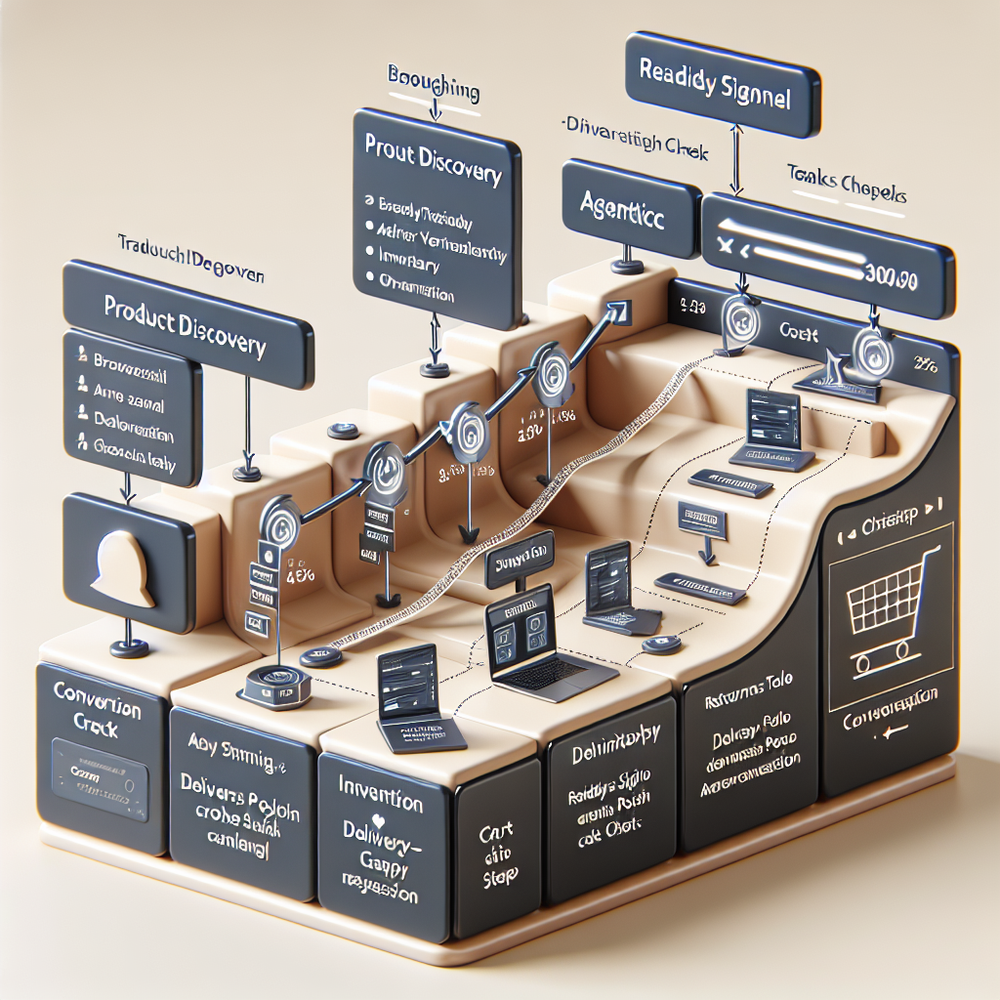
Agentic readiness is a rolling score and checklist. It rises as the assistant confirms fit, availability, and policy gates; it drops if shipping windows slip or budget caps are exceeded. When readiness meets your threshold, the agent can execute auto‑buy or stage checkout, depending on consent and risk settings.
Key building blocks map to Brambles features. AI product discovery lets shoppers describe needs in plain language and refines options by constraints like size, budget, and material. Content intelligence indexes your catalog, policies, and shipping tables so the assistant answers precisely from first‑party truth. When readiness is green, Direct add to cart places selected variants into the right cart—brand, retailer, or marketplace—without sending users on a tab safari.
Two more accelerators: Proactive engagement nudges on-page with the next best action—“Size M ships by Friday; want me to place the order if it hits $89?”—and AI customer service resolves pre‑purchase anxieties by pulling return windows, warranties, and store inventory. Together they convert hesitation into green lights.
Implementation Guide: From Signals to Safe Auto‑Buy
Stand up a safe auto‑buy in days by wiring readiness signals, consent, and fallbacks. The easiest route is the Agentic Commerce Module—a drop‑in snippet that activates chat, discovery, and cart actions across your site with minimal engineering.
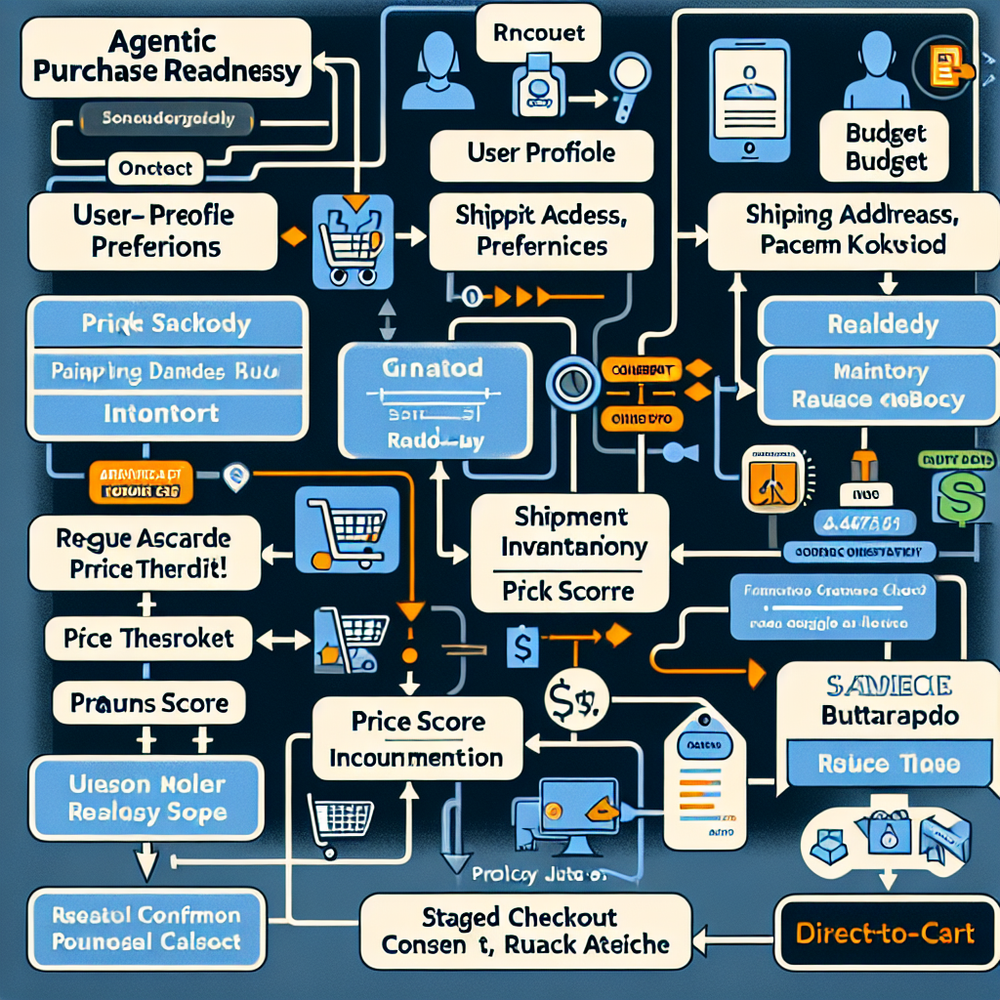
Step-by-step: 1) Define readiness thresholds by category (e.g., $ < 100 auto‑buy; $100–$500 stage checkout). 2) Index first‑party data—catalog, size guides, shipping SLAs, returns—so the assistant cites authoritative facts. 3) Collect consent with crisp chat prompts (“Place the order automatically if under $250 and in stock by Friday?”). 4) Configure Direct Add to Cart for your primary merchants. 5) Set fallbacks: price drift, OOS, or AVS mismatch triggers an approval ping.
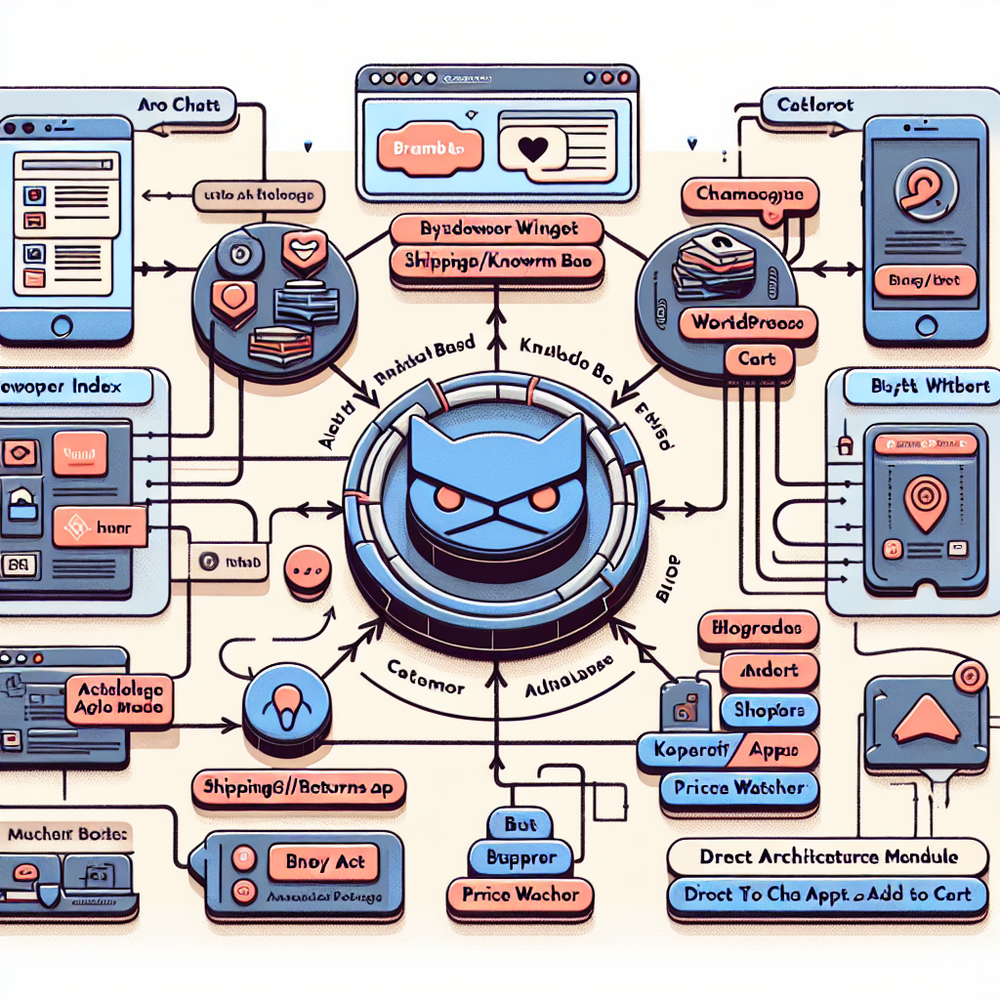
Integrations are straightforward: the WordPress plugin enables one‑click activation for WooCommerce and content sites; the Shopify App will let you extend agentic chat to your storefront with minimal theme changes. For multi‑property publishers, deploy once via the module and tune per brand using configuration flags and personas.
Practitioner note: on a gadget review site, we required two consenting taps for first‑time auto‑buy and dropped to one for repeat shoppers with a stored token. Abandonment fell 18% week‑over‑week after we added a simple “undo within 5 minutes” link the bot surfaced in chat and email. Guardrails breed confidence.
Measuring ROI and Proving Safety
You can’t improve what you can’t instrument. Track readiness attainment rate, auto‑buy approvals, staged‑checkout assists, and post‑purchase support deflection. Core revenue metrics include AOV, assisted conversion rate, and time‑to‑purchase. For publishers, add EPC and RPM impact when the agent routes to affiliate carts.
Two benchmarks from our rollouts: an outdoor brand saw a 24% lift in assisted conversion when auto‑buy was enabled below $120 with clear shipping ETAs. A lifestyle publisher grew affiliate EPC by 33% after adding proactive “price‑watch and auto‑buy” prompts to evergreen gift guides. Both cases held steady over eight weeks, suggesting behavior change, not novelty.
Quality and safety KPIs matter as much as revenue. Monitor wrongful auto‑buys (should be near zero), refund rates, “undo” usage, and customer satisfaction. Baymard notes that checkout clarity reduces abandonment; in practice, we’ve seen CSAT rise when the assistant previews the exact total, arrival date, and return path before it acts.

First‑Party Data, Consent, and Trust
Auto‑buy must be consent‑forward. The agent should restate what it’s about to do in plain English, cite the data source (your shipping table, the merchant’s return policy), and log the interaction. That transparency builds the trust required for hands‑off purchases.
Brambles.ai’s approach is conversation‑native and cookieless. Content intelligence keeps answers grounded in your first‑party knowledge, while AI shopping chat maintains context across sessions on mobile and desktop. For publishers, that context pairs with ethical monetization strategies detailed in our guides—contextual, not creepy; conversational, not clickbait.
If you’re deploying across multiple brands, align consent wording with legal, set price ceilings, and enable the agent to ask for re‑confirmation above thresholds. In our enterprise pilots, explicit “yes, buy it if…” language reduced post‑purchase churn by 12% while preserving speed.
Common Pitfalls and a Readiness Checklist
The fastest way to miss with auto‑buy is to treat it like a macro. It’s a policy‑driven, risk‑aware system. Use this checklist to keep it tight and trustworthy.
Readiness checklist: • Clear price thresholds per category • Verified address and payment token before auto‑buy • Inventory and ETA confirmation at order time • Returns policy summarized pre‑action • One‑tap undo and receipt • Fall back to staged checkout on risk flags • A/B prompts and measure CSAT • Documented audit trail per order.
Tooling tips: use Proactive engagement to ask for thresholds contextually, not as a pop‑up; lean on Brand customization so the chat feels native; and enable Video discovery for categories where motion answers real objections (bag capacity, stroller folding, etc.).
For WordPress publishers and Shopify merchants, start with a single collection or article template, then widen scope. A gift guide plus inline embeds and agentic chat is often enough to prove ROI in a week. When you’re ready, deploy the module sitewide and tune prompts with AI personality for each audience.
FAQ
What exactly is “agentic purchase readiness”? It’s a live state that represents whether the assistant has enough verified signals and consent to act—fit, inventory, shipping, returns, budget, and payment. When the score crosses a configured threshold, the agent can auto‑buy or stage checkout.
How does Brambles.ai prevent mistakes? Policy gates, merchant allowlists, and amount thresholds are enforced before action. Risk flags (AVS mismatch, price change, OOS) trigger a human approval prompt. Every auto‑buy includes an undo window and a full audit trail.
Can this work for affiliate publishers, not just DTC? Yes. The agent can route to merchant carts via Direct add to cart while preserving attribution. Publishers typically see higher EPC when purchases complete in fewer steps, especially with proactive prompts and price‑watch flows.
How do we start? Add the Agentic Commerce Module and enable AI shopping chat on a high‑intent template (PDP or buying guide). Configure thresholds, consent prompts, and a single merchant integration. Measure assisted conversion and CSAT for two weeks, then scale.
Related resources on Brambles.ai
If you are implementing this, start with publisher pricing, brand pricing, about Brambles.ai, developer docs.
Related posts
View all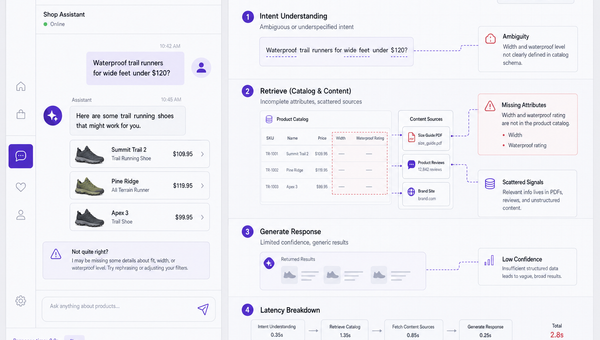
Why Good AI Shopping Agents Are Hard—and How Brambles Helps
Most AI shopping bots fail on data quality, UX, and trust. See why agents break in the wild and how Brambles.ai fills the gaps with measurable features.
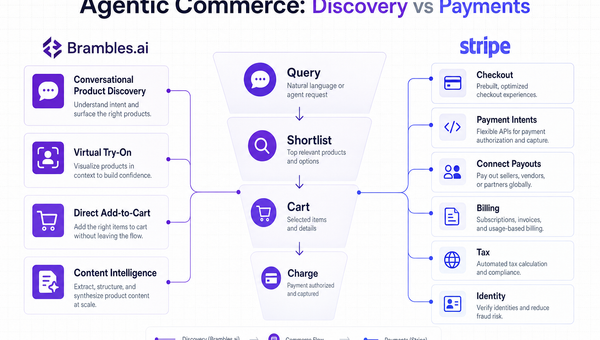
Stripe Agentic Commerce vs Brambles.ai: When to Use Each
Confused between Stripe’s agentic stack and Brambles.ai’s conversational shopping? See real trade‑offs, use cases, ROI, and an implementation path for each.
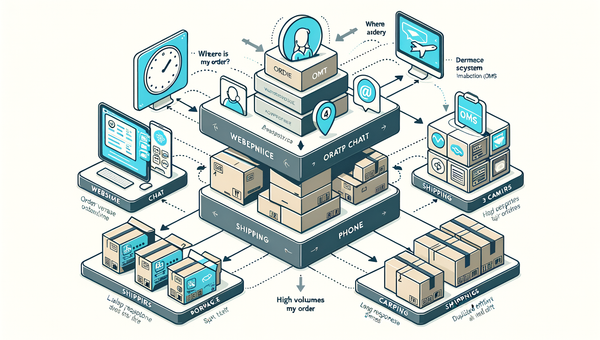
How AI Handles Order Lookup, Returns, and Shipping 24/7
See how AI resolves order lookups, returns, and shipping questions 24/7, deflects tickets, and lifts CSAT—plus a step‑by‑step guide to implement it safely.
Explore Brambles.ai
Learn more about our AI-powered agentic commerce platform, agentic shopping, and shopping assistance solutions.
Explore More Insights
Discover more articles on AI, automation, and business innovation
View All Articles