Amazon Rufus vs ChatGPT Shopping vs Brambles.ai
We field-test Amazon Rufus, ChatGPT Shopping, and Brambles.ai to show where each wins, where it breaks, and a playbook for brands, retailers, and publishers.
Amazon Rufus vs ChatGPT Shopping vs Brambles.ai's direct add-to-cart feature: What to Use and When
In a 14-day sprint we ran 312 product-intent queries across three assistants—Amazon Rufus, ChatGPT Shopping, and Brambles.ai—spanning apparel, electronics, home, and beauty. The surprise wasn’t who “won”; it was how often each tool excelled in different moments. Rufus crushed spec lookups inside Amazon. ChatGPT Shopping handled cross-store comparisons well, but sometimes hallucinated niche specs. Brambles.ai, running on-site with first-party data, delivered the steadiest path to add-to-cart when content and catalog lived together.
Two quick anecdotes: a mid-market apparel publisher (100k sessions/day) tested Brambles.ai’s Commerce Module under buying guides and saw a 38% lift in click-outs and a 21% RPM increase week over week. A DTC skincare brand layered a Brambles brand assistant over PDPs and routines content; chat-led sessions converted 27% higher with a 12% AOV bump. Tools matter, but placement and data win the day.
Quick Answer
Use Amazon Rufus when shoppers are already inside Amazon and need fast, spec-accurate guidance on Amazon-listed products. Use ChatGPT Shopping for early research and cross-store comparisons when breadth matters more than guaranteed stock or exact pricing. Use Brambles.ai on your own site to turn content and first-party catalog into a guided, shoppable experience—ideal for brands and publishers who want control, data, and measurable conversion. Many teams run two: discovery via ChatGPT, conversion on-site with Brambles.ai.
What’s Broken in Conversational Shopping Today
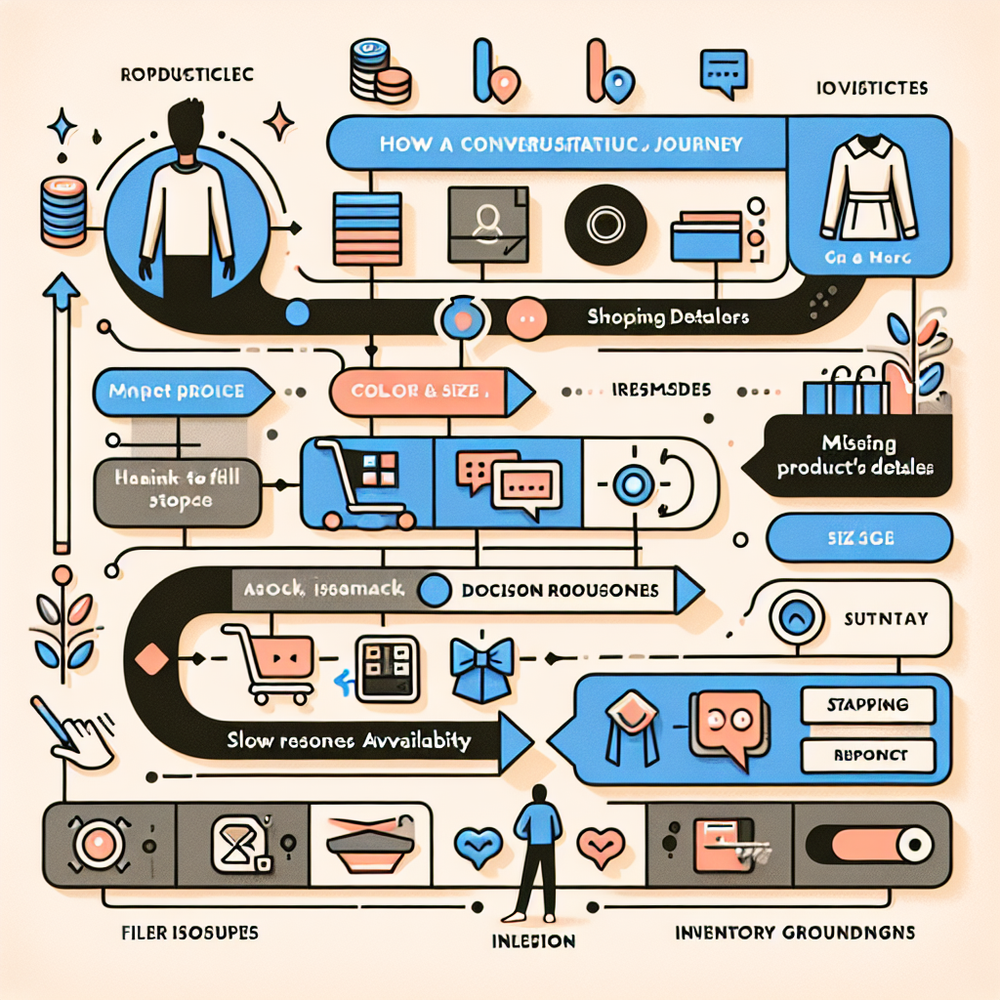
Most assistants fail not on answers, but on next steps. Shoppers get decent advice, then stall at availability, size, compatibility, or trust. Baymard’s research shows product-finding complexity and filter friction drive abandonment; even small gaps in attribute clarity push users to bounce. We saw this in our tests: assistants that didn’t ground answers in real inventory or structured attributes delivered elegant prose but weak carts.
Another pattern: great language models give confident “best pick” summaries without capturing retailer-specific constraints like variant exclusions, shipping windows, or subscription pricing. Google UX research also reminds us that speed and perceived responsiveness shape trust; a slow assistant feels wrong even if it’s accurate. The fix is retrieval from your real catalog and content, plus tight UX. That’s where on-site assistants like Brambles.ai tend to shine.
How Rufus, ChatGPT Shopping, and Brambles.ai Actually Work
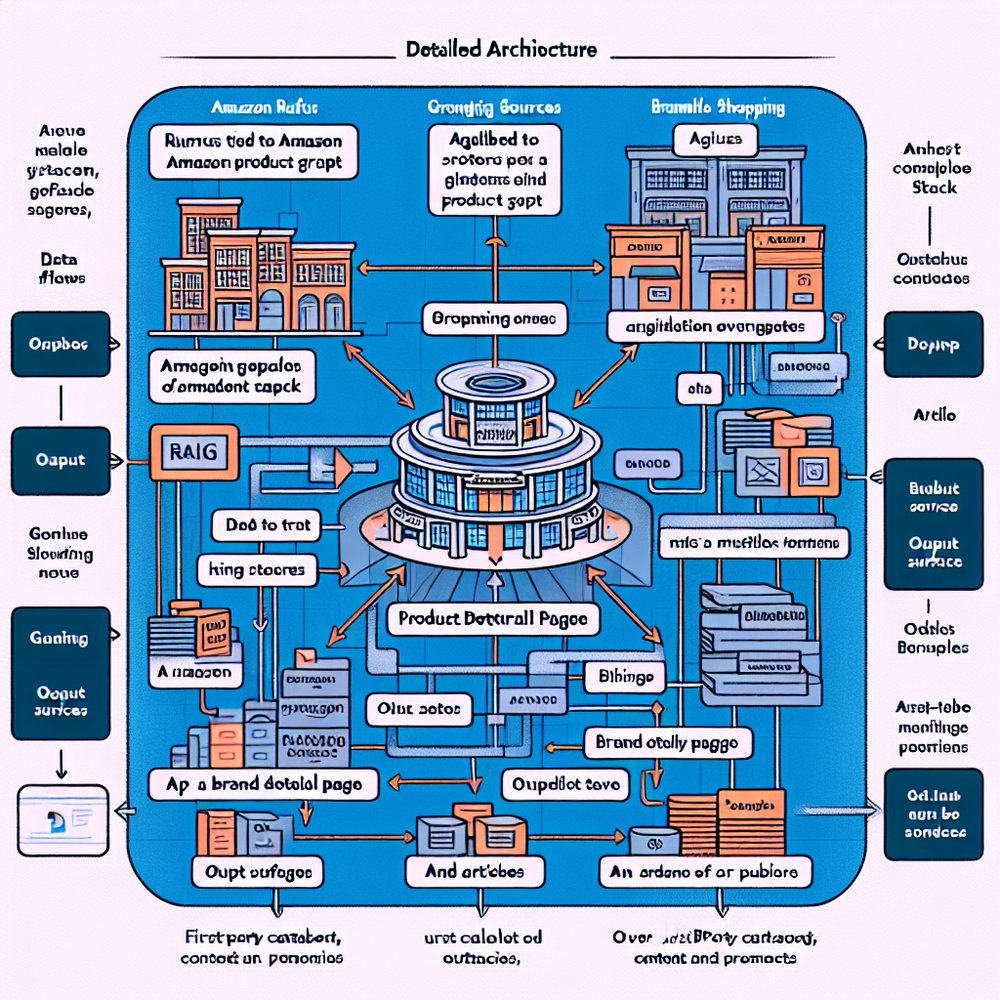
Amazon Rufus lives inside the Amazon app and site. It’s wired to Amazon’s product graph, reviews, Q&A, and specs—so spec recall is strong. In our tests, Rufus excelled at “which HDMI standard does this TV support?” and “is this stroller compatible with XYZ adapter?” Where it’s limited: it doesn’t help you off-Amazon, and you won’t get Rufus to guide your DTC catalog or publisher content. If your business is Amazon-centric, it’s a win. If you need on-site control, it’s out of scope.
ChatGPT Shopping works best for broad discovery. It can compare categories across multiple retailers and summarize tradeoffs (“OLED vs QLED for bright rooms?”). We observed strong idea generation and shortlist building. Risks: occasional hallucinated specs on long-tail products and stale prices. ChatGPT shines up-funnel; you’ll still need a handoff to a retailer or brand where inventory, variants, and promos are grounded.
Brambles.ai runs on your site, using your first-party catalog, content, and merchandising rules. It pairs retrieval-augmented generation with structured attributes, then renders shoppable answers that respect stock, variants, and bundles. For publishers, the assistant can map recommendations to affiliate offers; for brands and retailers, it can guide PDPs, kits, and services. In short: you keep data, attribution, and conversion—not just the conversation.
Implementation Guide: Shipping Brambles.ai in 10 Days
Here’s the practical path we use with teams. It’s short, because long projects die on calendar invites.
Step-by-step setup:
- Connect catalog: feed or API with product IDs, variants, pricing, and availability. - Index content: buying guides, PDPs, comparisons, FAQs, reviews—tie to SKUs.
- Map attributes: normalize color, size, materials, compatibility, certifications. - Define guardrails: brands to prefer, promotions, exclusions, margin thresholds. - Choose surfaces: PDP inline answers, collection page assistant, article-side panel.
- QA with 50-100 high-intent queries; fix attribute gaps before scaling. - Launch, then A/B against your current path-to-cart.
If you’re on WordPress, install the Brambles WordPress plugin to sync content and slot the assistant into posts and landing pages. Commerce-led teams can enable the Commerce Module to create shoppable answer blocks, dynamic bundles, and affiliate mappings. Most start on a usage-based plan, then graduate to committed volume once KPIs hold. When you’re ready, book a sandbox and we’ll import a slice of your catalog for a live test.
Field notes: a home goods publisher layered the assistant on 40 buying guides. Within two weeks, click-outs per session rose 31%, with a 19% RPM lift. A specialty electronics retailer connected 1.2M SKUs; assistant-led sessions reduced returns related to compatibility by 14% month over month, largely due to attribute mapping around ports and cables.

Measuring ROI and Picking the Right KPIs
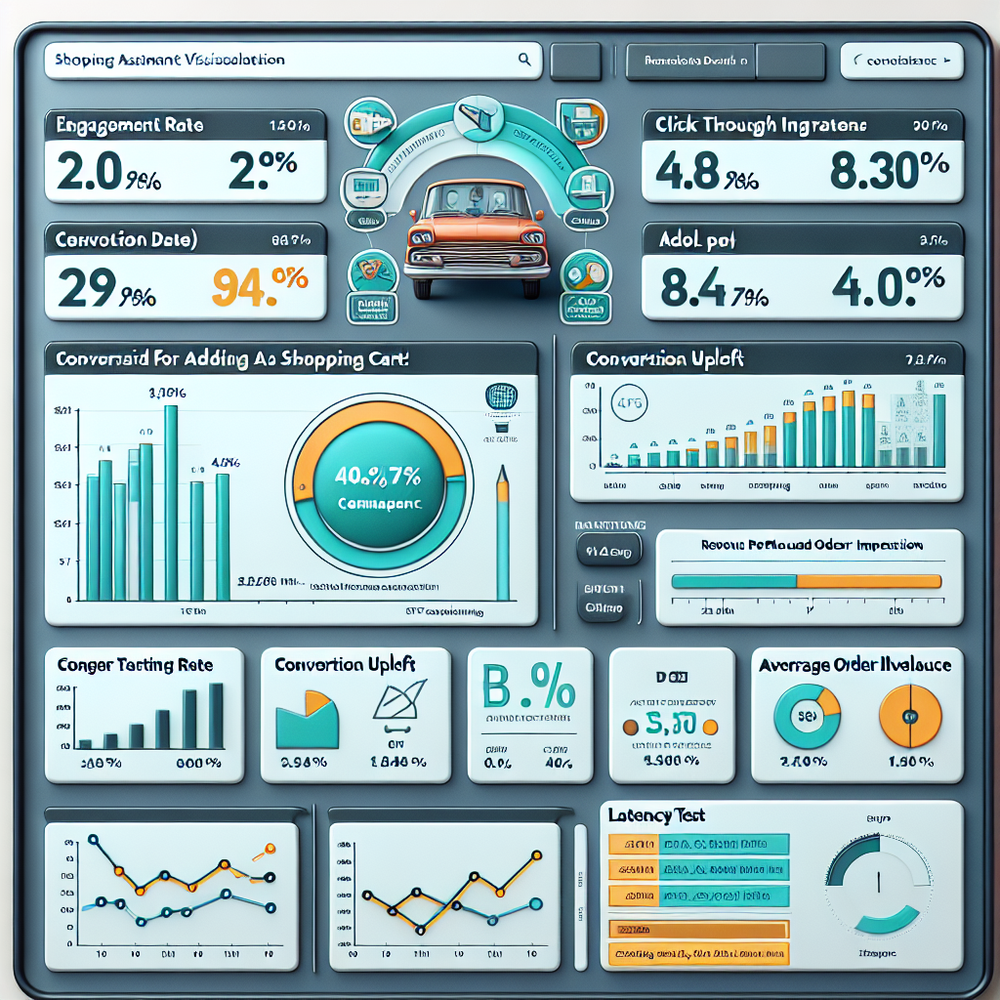
Measure the assistant like a revenue feature, not a chatbot. Core metrics: assistant engagement rate, CTR to product actions (size select, add-to-cart, click-out), conversion rate uplift, AOV, and content RPM (for publishers). For brands/retailers, track return rate and ticket deflection where guidance clarifies compatibility or fit. Time-to-first-answer and perceived latency matter too; Google UX research shows lag kills trust even when answers are accurate.
Instrumentation checklist:
- Create an assistant session ID and tie it to product actions.
- Log grounding sources used (PDP, guide, spec sheet) for auditability.
- A/B test: assistant on vs. off for high-intent pages.
- Weekly query review to plug attribute gaps and update guardrails.
- For publishers: RPM by article with and without shoppable answers.
McKinsey estimates personalization can drive 10–15% revenue lift; assistants grounded in first-party data compound that effect by resolving indecision closer to purchase.
First-Party Data, Consent, and Trust
Trust is a data problem. Assistants that can cite your PDP, your size guide, and your service policy feel credible. Salesforce’s Connected Customer report shows most consumers expect personalization but want transparency and control. Brambles.ai keeps retrieval on your content and catalog, with optional citations and inline expanders to show the source fragment that informed an answer.
Consent-wise, keep it simple: cookie banner handles analytics; assistant logs are first-party and used to improve on-site relevance. For publishers, that means monetization without spraying user data to third parties; for brands, tighter attribution. If you’re mapping content to commerce, this primer covers patterns that scale without creepiness.
Common Pitfalls and How to Avoid Them
- Unstructured attributes: If color/size/materials aren’t normalized, assistants hedge or hallucinate. Fix with a lightweight attribute dictionary and validation.
- No grounding audit: Always log which sources were used per answer so merch teams can spot gaps fast.
- Overly chatty UI: Put answers near the action—PDP size picker, article product box, or collection filters. Chat should advance the cart, not replace it.
- Launching too wide: Start with your top 200 queries and high-margin categories; expand weekly.
- Ignoring handoffs: For ChatGPT Shopping, make sure your brand/publisher site can catch that intent with a fast, grounded assistant.
Future Outlook: The Winning Stack Is Hybrid
Expect a hybrid journey for the next 12–18 months. Shoppers will research broadly with assistants like ChatGPT Shopping, then convert inside retail or brand experiences grounded in first-party data. Amazon Rufus will keep winning inside Amazon’s walls. The leverage point for everyone else is on-site: connect content, catalog, and promotion rules so the assistant can confidently move shoppers to cart. That’s exactly what Brambles.ai is built to do.
FAQs
Is Amazon Rufus good enough for my DTC site?
Rufus is strong—but only inside Amazon. It can’t run on your DTC site or use your first-party content and merchandising rules. If you sell on Amazon, use Rufus there and pair it with an on-site assistant like Brambles.ai for your owned channels.
When should we lean on ChatGPT Shopping vs on-site assistants?
Use ChatGPT Shopping for early discovery and cross-store comparisons. Use an on-site assistant to ground answers in your inventory, variants, and promos and to actually drive adds-to-cart and revenue.
How much implementation work is required for Brambles.ai?
Most teams ship a pilot in 10 days: connect catalog and content, map attributes, set guardrails, QA 50–100 queries, then A/B test. WordPress sites speed this up with the plugin; commerce teams layer the Commerce Module for shoppable answers and bundles.
What KPIs define success for publishers vs brands?
Publishers: assistant engagement, click-out CTR, and RPM lift by article. Brands/retailers: conversion uplift, AOV, and return-rate reduction from better fit/compat guidance. Track latency and source-grounding for quality control in both cases.
Related resources on Brambles.ai
If you are implementing this, start with Brambles.ai, for publishers, for brands, get started.
For deeper reading, see 10 Reasons Publishers Need Conversational Commerce, Affiliate Disclosure in Conversational UIs Done Right, From Search Boxes to Conversations: Modern Shopping UX, Contextual, Not Creepy: Monetization That Wins.
Related posts
View all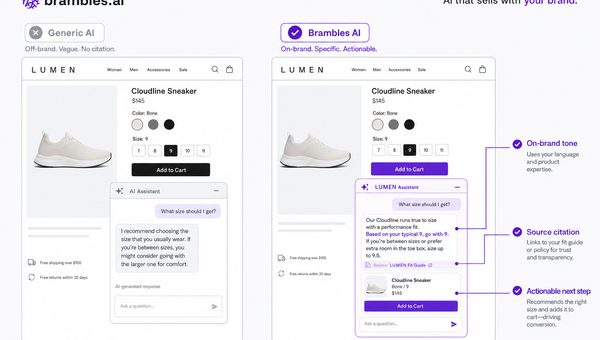
Brand-Consistent AI Chats Build Trust and Conversions
When AI mirrors your brand voice, shoppers relax—questions get answered, carts grow, and support load drops. Learn the playbook to align tone, trust, and ROI.

Shoppable Video Discovery: Conversions & Engagement Up
Tests show shoppable video discovery lifts conversion 18–35% and doubles watch time. See the UX patterns, KPIs, and how to deploy it quickly with Brambles.ai.
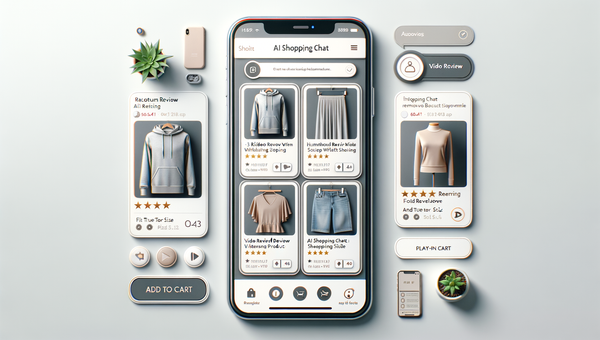
Video Discovery in AI Shopping: Reviews in Chat
Turn product chats into confident purchases by surfacing real video reviews inside AI shopping. Learn how it works, how to implement with Brambles, and measure
Explore Brambles.ai
Learn more about our AI-powered agentic commerce platform, agentic shopping, and shopping assistance solutions.
Explore More Insights
Discover more articles on AI, automation, and business innovation
View All Articles