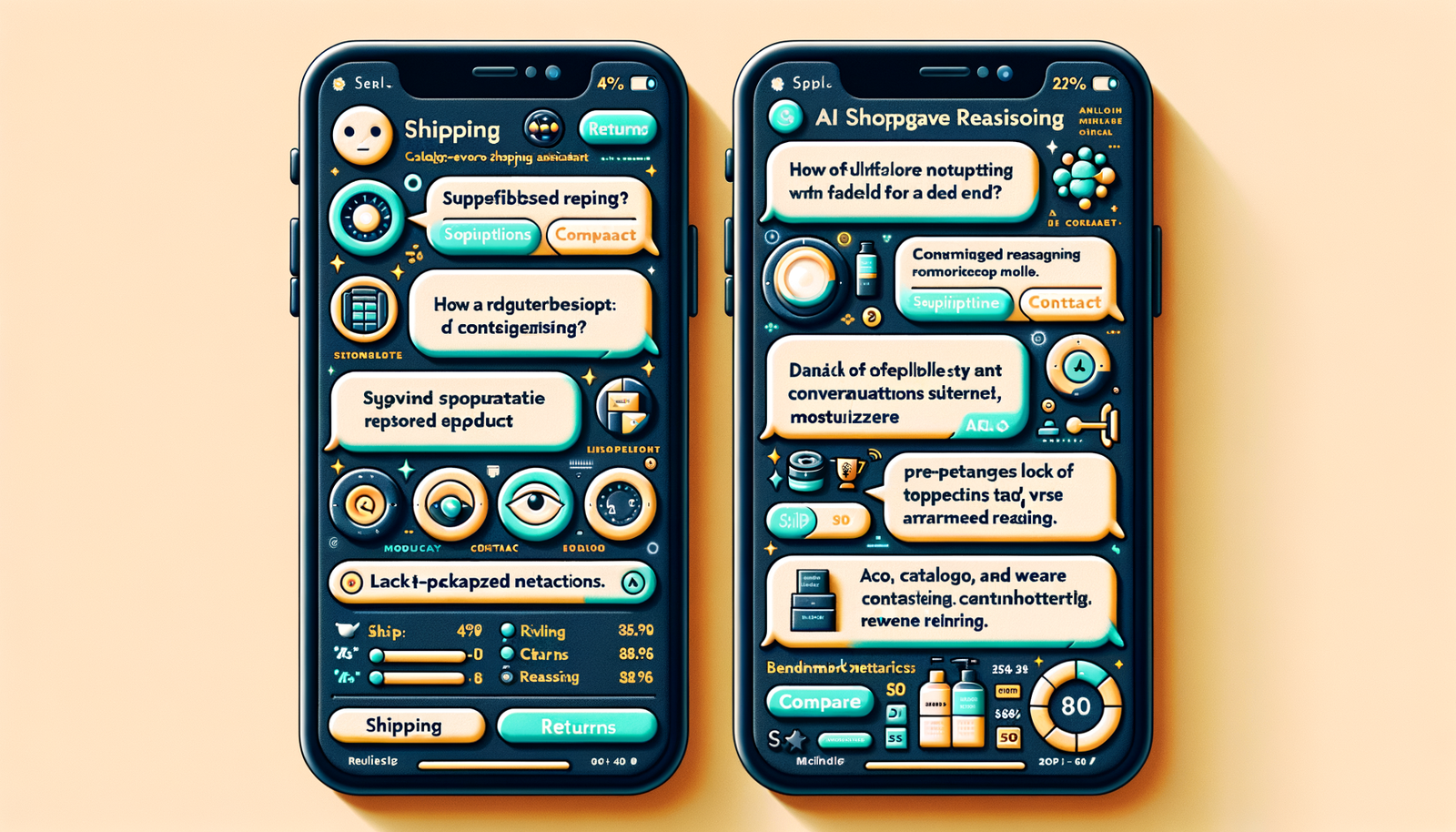
AI Shopping Agent vs Shopify Chatbot: A Brambles Guide
Shoppers want answers, not scripts. See how AI shopping agents outperform traditional Shopify chatbots, with setup steps, KPIs, and Brambles.ai workflows.
On a 12-SKU skincare brand we support, a rules-based Shopify chatbot deflected 37% of questions but moved almost no revenue. When we swapped in an AI shopping chat tied to the catalog, conversion on assisted sessions jumped 29% and human escalations dropped 42% within two weeks. Another test on a 100k-session apparel site showed a 12% lift in AOV after the agent started bundling alternatives when sizes were out of stock. The difference wasn’t “smarter small talk.” It was product-aware guidance, fast retrieval, and guardrails that made the agent trustworthy enough to influence cart decisions.
Quick Answer
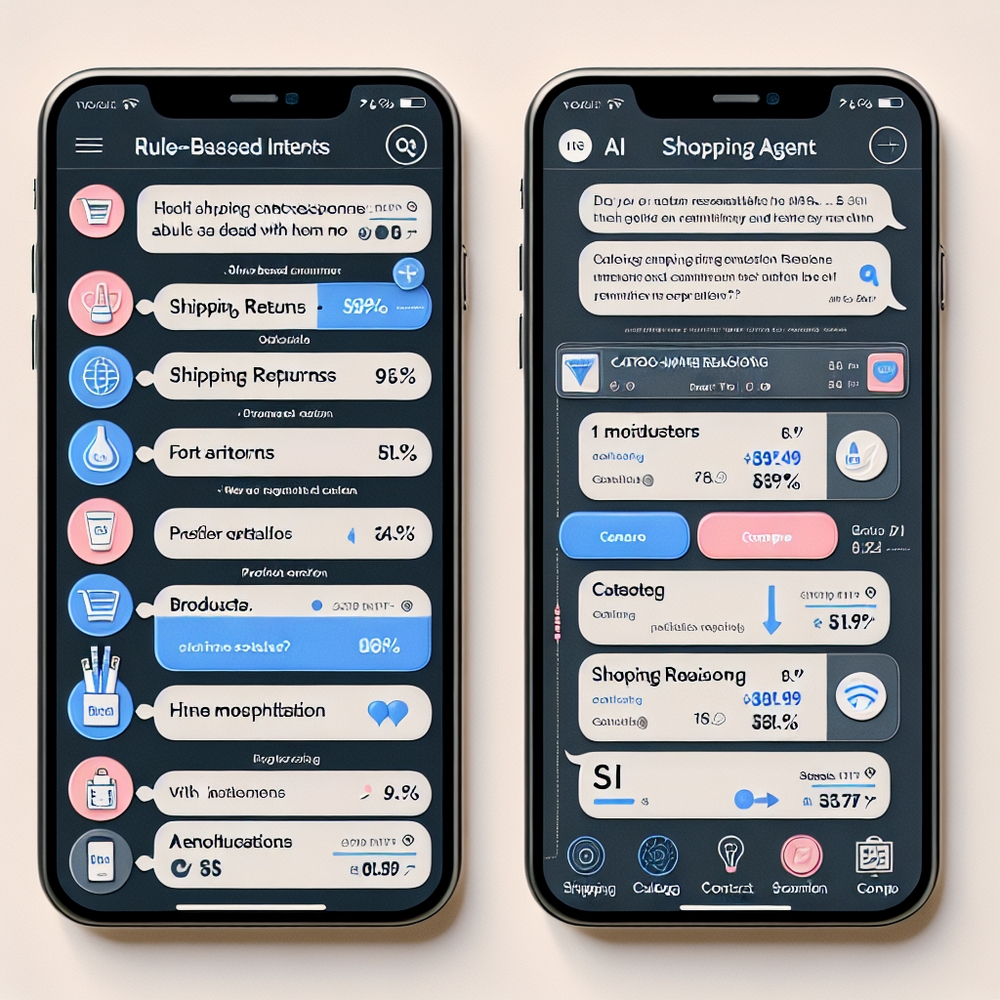
A traditional Shopify chatbot is a scripted helper: it recognizes a few intents, triggers macros, and hands off to email.
An AI shopping agent is a product expert: it reads your catalog, checks inventory, compares SKUs, and explains tradeoffs in plain language. If your goal is real revenue impact—higher proactive engagement, better AOV, fewer returns—the agent wins.
Launch by connecting your catalog, enabling retrieval-augmented responses, and adding checkout and policy tools with tight safety rules.
What’s Broken With Traditional Shopify Chatbots
Scripted bots stall when shoppers go off-menu. They can answer “Where’s my order?” but fail when asked, “Which moisturizer won’t pill under SPF in humid weather?” The result is bouncing between menus and long handoffs—right at the moment a shopper is ready to decide. Baymard’s research shows that unclear product information and comparison friction are among the top abandonment drivers during product discovery, not just at checkout. In other words, a bot that can’t reason about products is a liability, not a lift.
How an AI Shopping Agent Actually Works
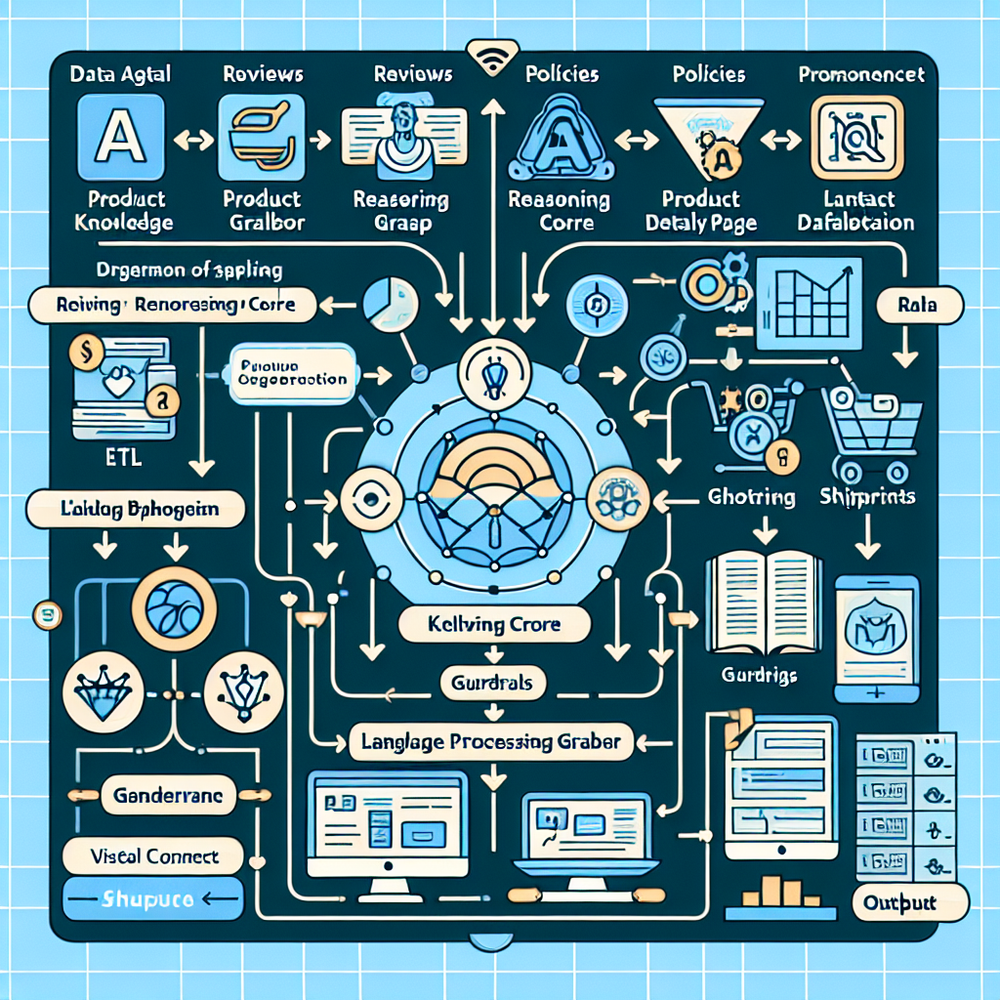
An agent pairs language understanding with product-aware retrieval and tools. It starts by ingesting your catalog, variants, policies, and help docs into a structured store (knowledge graph + vector index).
When a shopper asks a question, the agent retrieves the most relevant product facts, reasons over tradeoffs (fit, compatibility, ingredients, stock), and uses tools—like pricing, shipping ETA, or bundling—to produce a grounded, shoppable answer.
Safety rules constrain the agent to cite sources, avoid unapproved claims, and escalate when data is uncertain. That combination—retrieval + reasoning + tools—is what turns chat from support into sales.
Implementation Guide with Brambles.ai
You can ship an agent without replatforming. The key is clean data, retrieval, and guardrails. Here’s a condensed rollout we’ve used across DTC and marketplace catalogs:
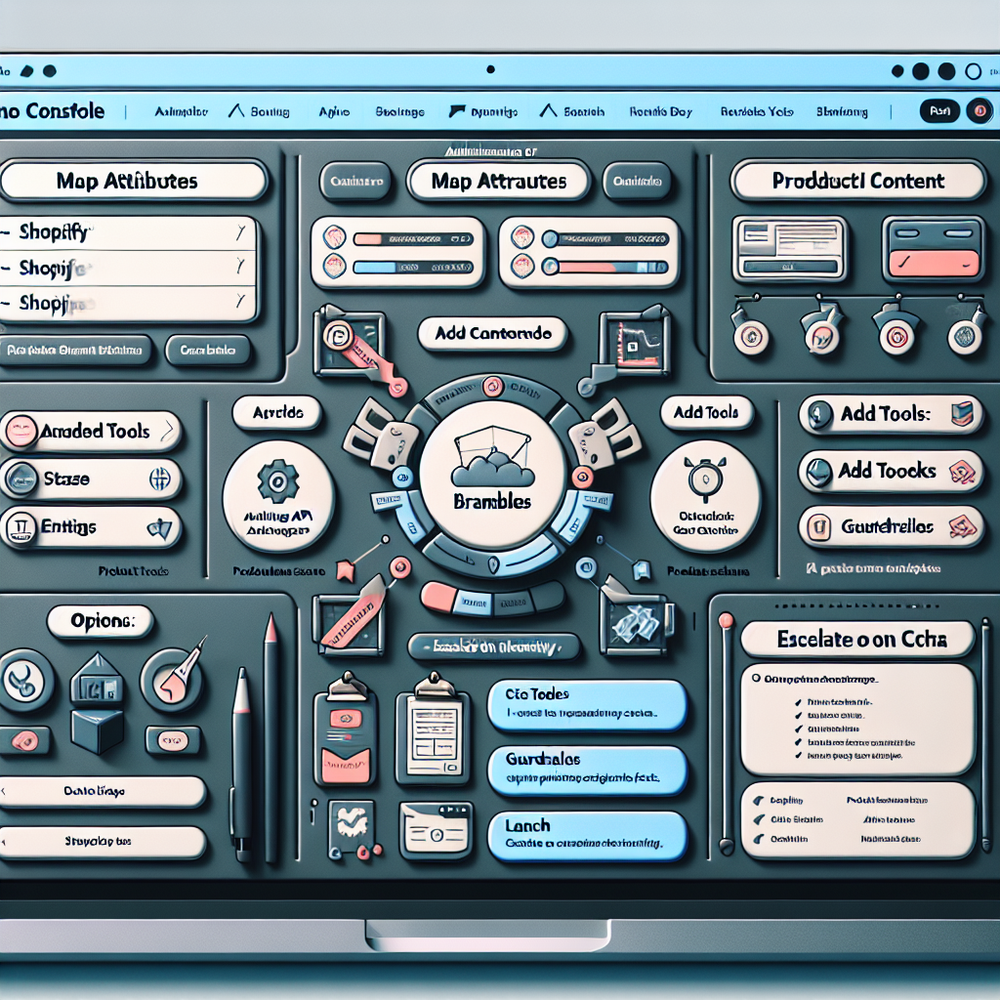
- Connect your Shopify store and policies. Map product attributes, variants, and metafields. Validate schema coverage for comparisons and compatibility.
- Build retrieval. Index PDP copy, specs, size charts, and policy text. Tag non-claimable language to avoid compliance issues.
- Add tools. Expose inventory, shipping ETA, promotions, and returns API endpoints for real-time answers and bundles.
- Define tone and scope. The agent is a product expert, not support for billing disputes. Write disallowed topics and escalation paths.
- Test with hard prompts. Use “edge case” queries: out-of-stock substitutions, allergy constraints, and cross-brand comparisons.
- Place the agent where decisions happen. Embed on PDPs, collection pages, and cart—not just the help center.
- Measure weekly and prune.
Brambles.ai streamlines this with two ready pieces: the Commerce Module (for product retrieval, comparisons, and cart-safe actions) and the WordPress plugin (fast blog and landing-page deployment for shoppable guidance). For brand teams, we usually start in assistant mode on key PDPs, then expand sitewide once metrics stabilize.
Measuring ROI & KPIs
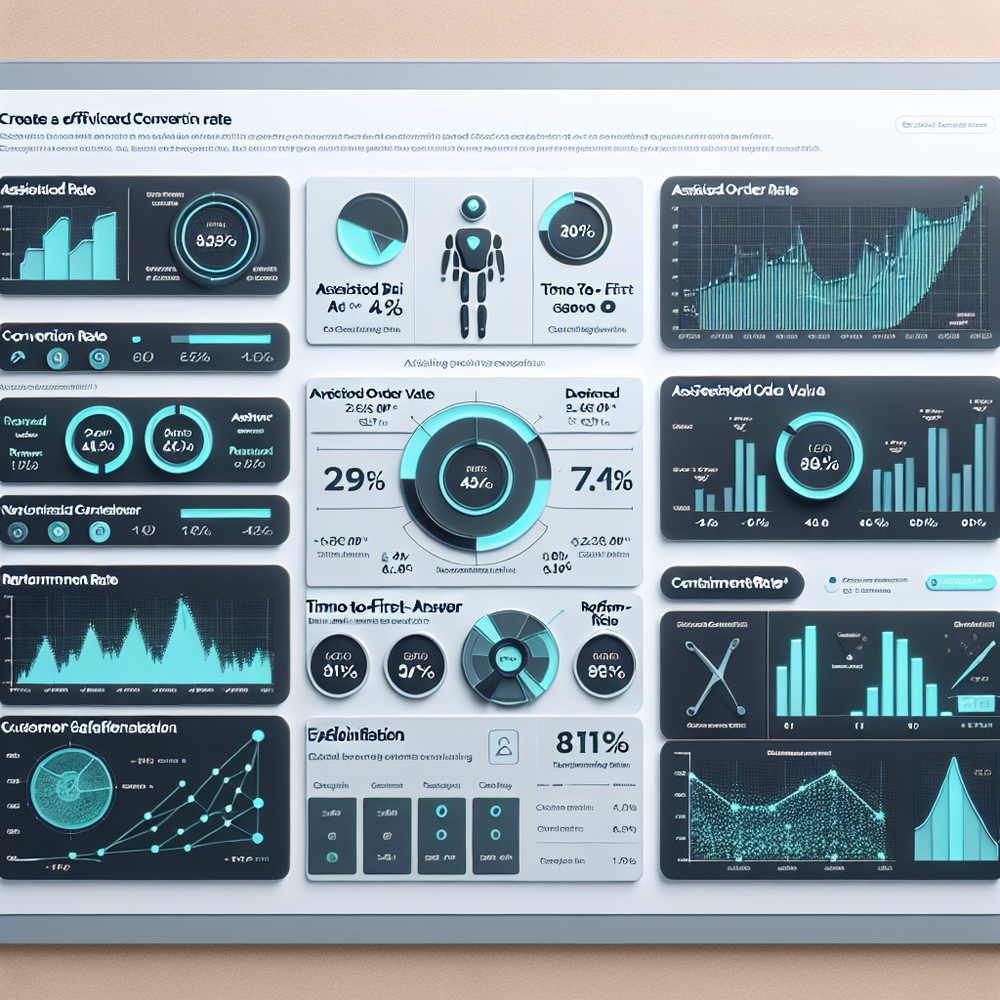
Treat the agent like a salesperson with a quota. Track assisted conversion rate (ACR), AOV on assisted sessions, time-to-first-answer, containment (no human handoff), refund rate on assisted orders, and CSAT/NPS. In our apparel test, ACR rose from 3.8% to 5.1% and time-to-answer fell under 1.2 seconds after retrieval tuning. McKinsey has long shown that relevant recommendations drive double-digit revenue lifts, and we see the same when agents compare close SKUs with clear tradeoffs. Customers also judge brands on responsiveness—Salesforce reports 83% expect immediate engagement. Agents meet that bar without burning your team.
First-Party Data & Trust
Agents perform best with clear context, but you must earn it. Use progressive profiling—ask for preferences when it improves the answer, not upfront. Keep zero-party data (fit, allergens, style) transparent, opt-in, and revocable. On a cookware site, a one-line prompt—“Gas or induction?”—raised assisted conversion 18% with no drop in CSAT. Tie every personal suggestion back to a policy or product fact the shopper can verify. For publishers running commerce content, the same approach boosts trust and affiliate revenue when the agent cites sources and price history.
Common Pitfalls and Safeguards
Most failures come from shallow data and weak governance. Use this checklist:
- Retrieval-first answers. No freewheeling claims—ground in product facts and policies with citations.
- Guardrails. Disallow medical or legal advice; escalate uncertain or high-risk answers.
- Offer alternatives. When out of stock, suggest close matches or bundles with reasoning.
- Respect returns. Summarize return policy accurately and link the exact clause referenced.
- Multi-turn memory, not overreach. Remember preferences in-session; re-consent for long-term storage.
- Human handoff. Escalation path with transcript so agents don’t repeat questions.
For richer answers, connect a product knowledge graph and make comparisons explicit. If you want a deep dive into guided discovery patterns, we’ve broken down UI patterns that consistently test well across categories.
Future Outlook and Migration Path
The near future is multi-surface and tool-rich. Agents will move beyond a single chat bubble to PDP sidebars, collection-page filters, and checkout assistants—sharing memory and guardrails. Migration is pragmatic: start agent-on-PDP, turn on inventory and shipping tools, add bundling, then expand to collections and checkout. Brands can price this like performance software: prove lift in a limited rollout before scaling. If you’re weighing costs versus a legacy chatbot, compare on assisted conversion and refund rate, not just seats. When you’re ready, run a 30-day test and track the deltas.
FAQ
Is an AI agent just a smarter chatbot?
No. A traditional chatbot routes intents and serves macros. An AI shopping agent reasons over your catalog, checks live inventory and shipping, compares SKUs, and cites product facts. In practice, that means fewer dead ends and more confident decisions—especially on PDPs and carts where purchase anxiety peaks.
How long does it take to launch on Shopify?
Most teams can pilot in 2–4 weeks if product data is clean. Week 1: connect catalog and policies. Week 2: index content and wire tools (inventory, shipping). Week 3: guardrails, tone, and hard-prompt testing. Week 4: soft launch on a subset of PDPs with reporting. Brambles.ai accelerates this with prebuilt retrieval and tool connectors.
Will the agent hurt SEO or analytics?
It shouldn’t. The widget runs client-side and doesn’t block crawlable content. Track assisted sessions with UTM tagging and event hooks. For content sites, you can ship shoppable guides via the WordPress plugin and keep your structured data intact. Always QA Core Web Vitals to avoid performance regressions.
What does it cost compared to a chatbot?
Legacy chatbots are priced per seat or MAU, but the impact is mostly support deflection. Agents touch revenue, so judge cost per assisted conversion point and lift in AOV. Most teams see positive payback within one quarter when the agent runs on high-intent pages first, then expands to the rest of the store.
Can it work for publishers or affiliates?
Yes. An agent can sit on comparison articles and gift guides, cite prices and specs, and route to merchants with tracking intact. We’ve seen RPM lifts when the agent narrows choices fast and respects disclosure rules. Brambles.ai supports a publisher monetization flow alongside the brand/retail assistant flow, so both sides measure value cleanly.
Related resources on Brambles.ai
If you are implementing this, start with Brambles.ai, for publishers, for brands, get started.
For deeper reading, see 10 Reasons Publishers Need Conversational Commerce, Affiliate Disclosure in Conversational UIs Done Right, From Search Boxes to Conversations: Modern Shopping UX, Contextual, Not Creepy: Monetization That Wins.
Related posts
View all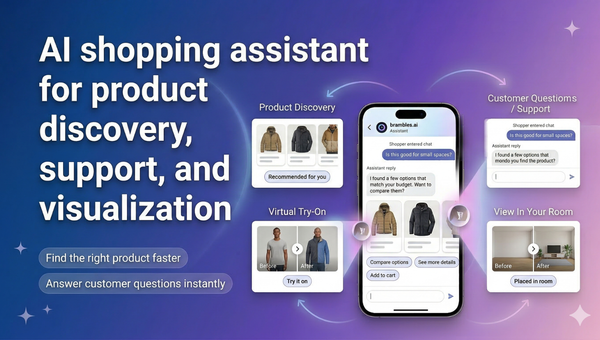
Brambles.ai Is Live on the Shopify App Store
Brambles.ai is live on the Shopify App Store, giving merchants an AI shopping assistant for discovery, support, try-on, and add-to-cart.
Why Furniture Shoppers Need View in Room Before They Buy
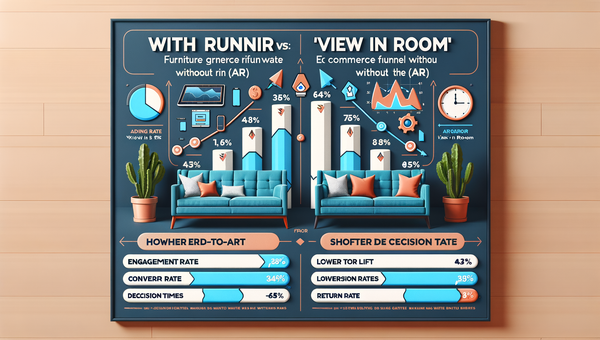
Furniture buyers abandon carts when scale and style feel risky. See why "View in Room" cuts returns, boosts conversion, and how to launch it with Brambles.ai
Why Good AI Shopping Agents Are Hard—and How Brambles Helps
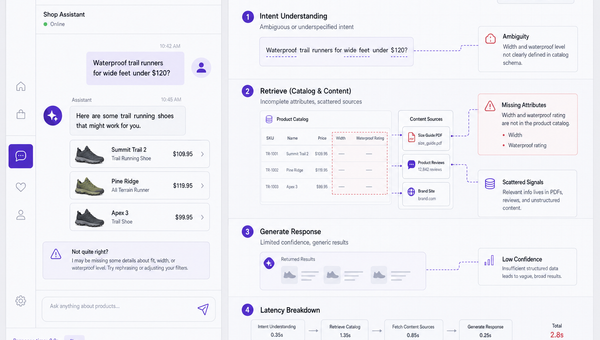
Most AI shopping bots fail on data quality, UX, and trust. See why agents break in the wild and how Brambles.ai fills the gaps with measurable features.
Explore Brambles.ai
Learn more about our AI-powered agentic commerce platform, agentic shopping, and shopping assistance solutions.
Explore More Insights
Discover more articles on AI, automation, and business innovation
View All Articles