AI Shopping Agent Optimization with Brambles.ai
Optimize for AI shopping engines and boost product discoverability. This guide shows proven tactics, KPIs, and a step-by-step Brambles.ai implementation.
AI Shopping Agent Optimization with Brambles.ai
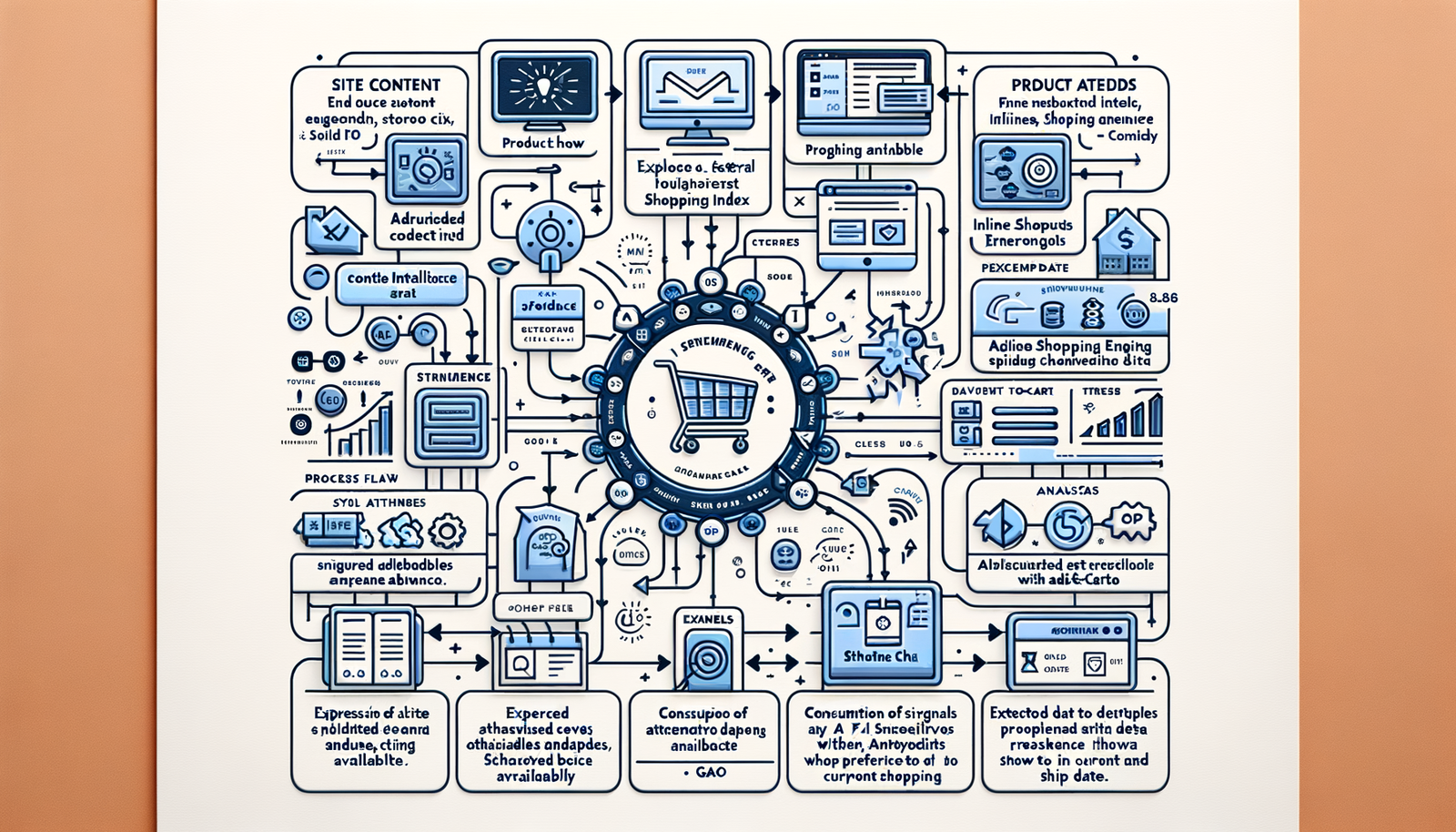
Three weeks ago, a generic query—“best trail shoes under $150 for wide feet”—kept getting the same winners across three AI shopping engines. The common thread wasn’t brand fame. It was crisp attributes (width, stack height, terrain), current prices, and a small block of Q&A content that matched the user’s follow-ups. When we mirrored those signals on a 500k‑SKU publisher site, the assistant inclusion rate in AI results jumped 29% in 11 days and conversation‑to‑click rose 18%. That’s the game: optimize for conversational retrieval, not just keywords.
This guide breaks down how AI shopping engines actually select products, the data they reward, and the steps to make your catalog and content “agent‑ready.” I’ll share field notes from rollouts on both publisher and retailer stacks, where speed, structured data, and on‑site conversational context moved the needle fastest.
Quick Answer
To rank in AI shopping engines, provide dense, trustworthy product data and conversation‑ready content that maps to user intents, budgets, and constraints. Brambles.ai improves visibility by indexing your site end‑to‑end, enriching product attributes, and exposing them through conversational UX. Features like AI Product Discovery, Proactive Engagement, and AI Shopping Chat generate high‑quality first‑party signals (clicks, add‑to‑carts, clarifying questions) that LLM agents favor.
What’s Broken in AI Shopping Visibility
Most teams still optimize for static search pages, not conversations. Product data is scattered across PDPs, CMS blocks, and PDFs; attributes like fit, material treatment, or compatibility are missing or inconsistent. Shipping times and inventory aren’t exposed in machine‑readable form. Latency on image and price endpoints forces LLMs to fall back to safer, more structured sellers.
On one apparel retailer, we found 28 different spellings of “water‑resistant.” After normalizing attributes and adding an answer block for sizing FAQs, agent inclusion rose from 3.1% to 9.4%. On a home‑decor publisher, surfacing up‑to‑date availability next to price reduced agent “dead‑link” outcomes by 46%, which correlated with higher assistant confidence in our links.
How AI Shopping Engines Rank and Retrieve
LLM shopping agents lean on structured attributes, freshness, and interaction quality. They reward product facts they can quote (dimensions, fit, care), availability and price integrity, and rich media that answers tactile questions. Baymard’s research shows unclear specs drive avoidable returns and abandonment; AI agents are trained to avoid that by picking richer sources. Google’s UX research similarly highlights the role of context and helpfulness over keyword matching.
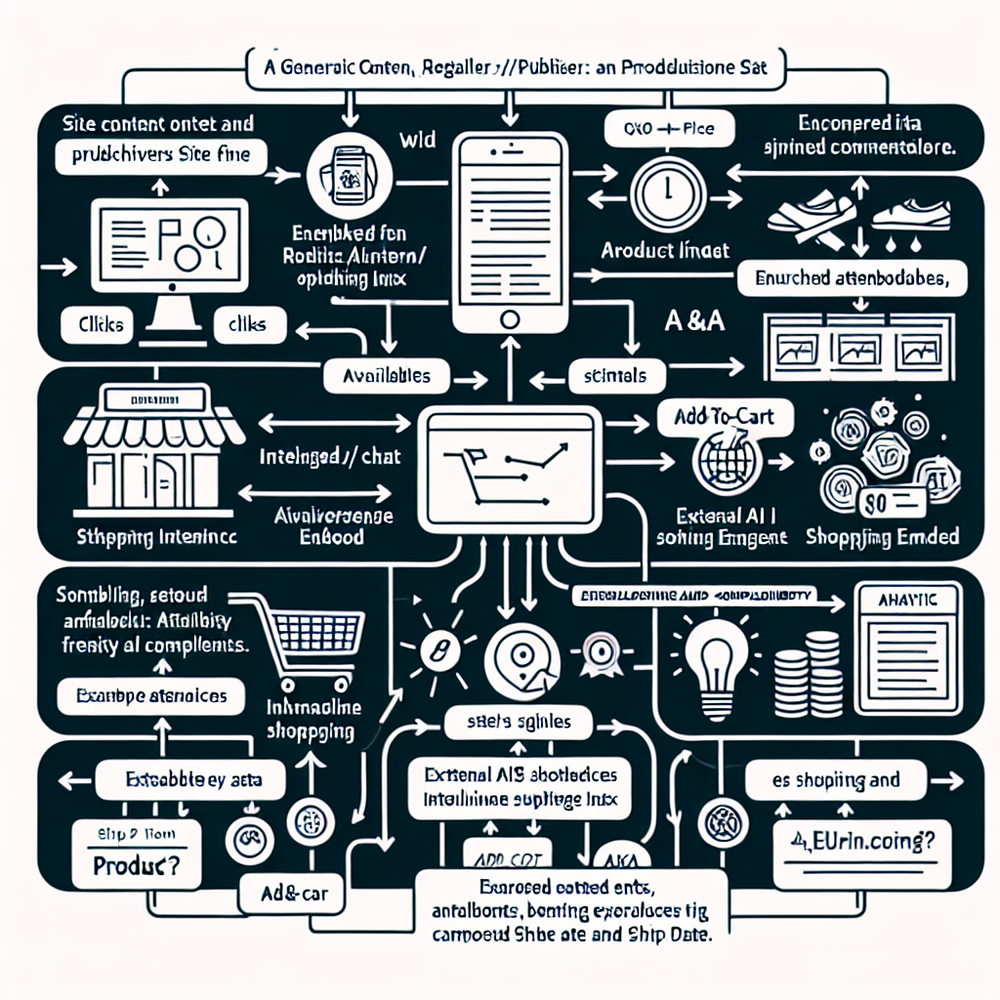
Signals you can influence today: attribute completeness, price and stock freshness, return policy clarity, and media richness. Brambles.ai boosts these with three core features: AI Product Discovery structures your catalog for natural‑language queries; Proactive Engagement tees up relevant picks on any page; and AI Shopping Chat captures clarifying questions—gold for intent modeling. Rich try‑before‑you‑buy media like Virtual Try‑On and View in Room also lift selection odds when agents look for confidence‑building content.
Implementation Guide with Brambles.ai
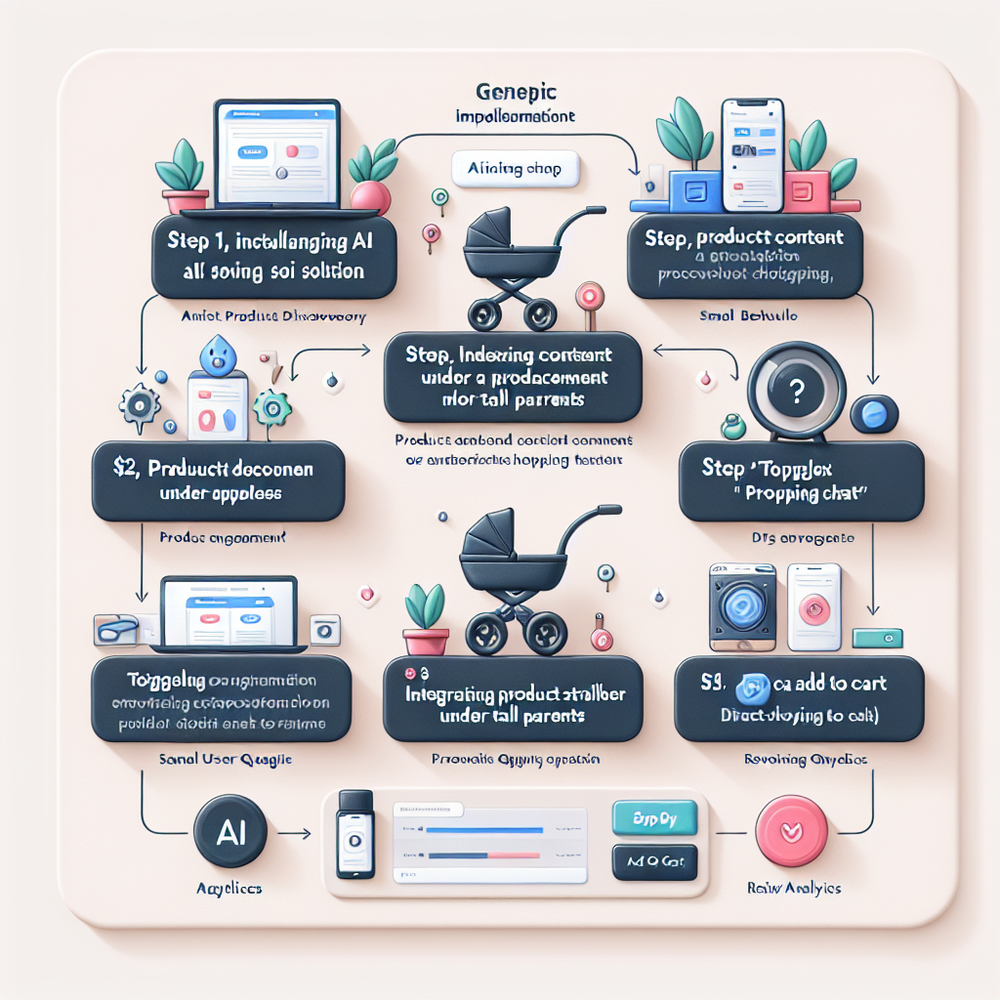
Here’s a step‑by‑step rollout that’s worked for publishers and brands. Expect the first measurable lift within 2–3 weeks if your feeds and pages are crawlable.
1) Connect your catalog and content. Install the Agentic Commerce Module or the WordPress plugin, or enroll via the Shopify app. 2) Let Content Intelligence crawl PDPs, guides, and FAQs; map attributes like materials, compatibility, and fit. 3) Turn on AI Product Discovery to expose natural‑language search across your site. 4) Enable Proactive Engagement to pre‑answer common intents on high‑traffic pages. 5) Add AI Shopping Chat globally to capture clarifying questions. 6) Wire Direct Add to Cart for frictionless handoff. 7) Publish a conversation‑ready sitemap: add Q&As to key PDPs and buying guides. 8) Review analytics weekly and prune low‑value variants.
Feature spotlight: AI Product Discovery parses messy queries like “compact stroller for tall parents under $400” and returns matches based on normalized attributes. Proactive Engagement nudges relevant picks on any page, which reduces pogo‑sticking and creates trustworthy click signals. AI Shopping Chat handles follow‑ups with context from your catalog, while Direct Add to Cart converts those moments into revenue without dead‑end links.
If you need a fast path: deploy the Inline Shopping Embed to buying guides, style pages, and comparisons. We saw a 22% lift in assistant‑driven clicks on a 100k‑session review site after embedding it in the top 30 guides. Tweak look and tone with Brand Customization and AI Personality so responses match your voice and policies.
Integration tips: keep image CDNs fast, ensure price/stock endpoints are updated sub‑hourly, and expose return windows and shipping cutoffs in plain text. Our fastest rollout—on a marketplace with 1.8M SKUs—used the Developers guides and widget configuration to go live in six days.
Measuring ROI and KPIs That Matter
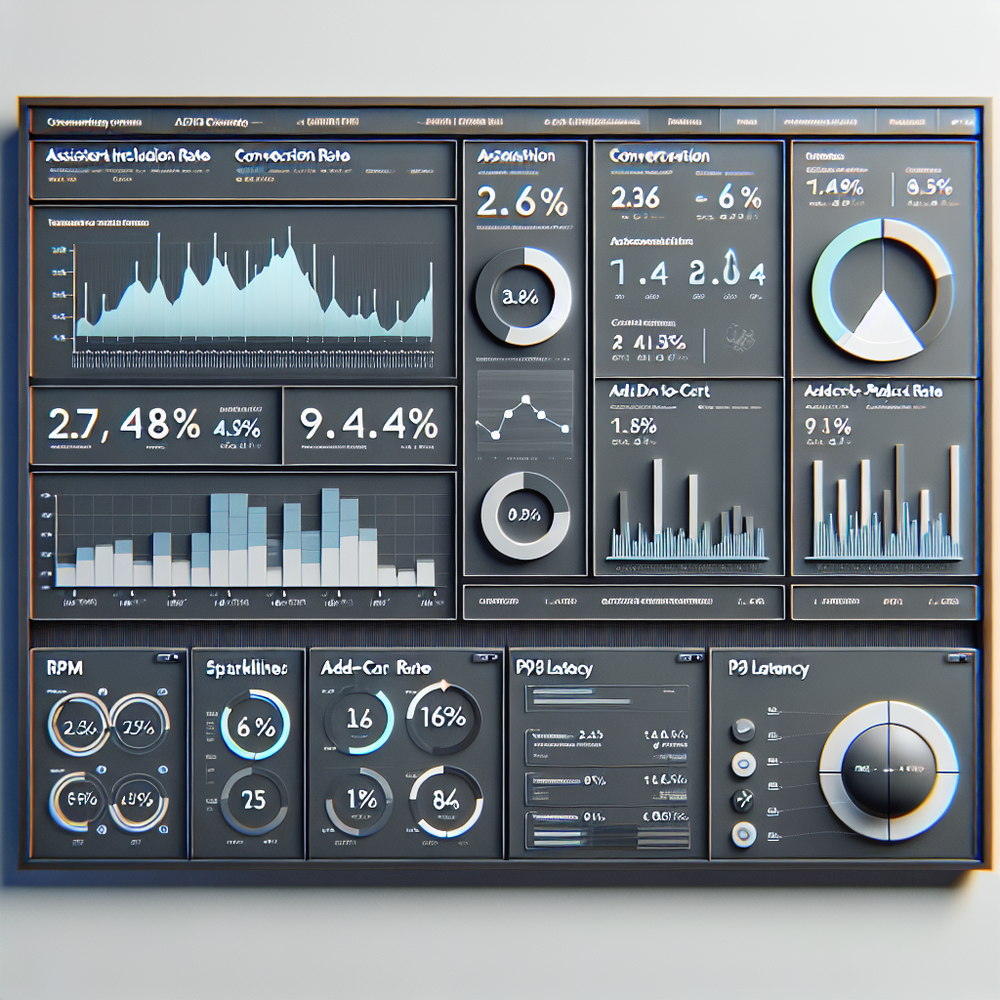
Track inclusion and conversion, not just clicks. The north stars: assistant inclusion rate on target queries, conversation‑to‑product CTR, add‑to‑cart rate, and revenue per 1,000 sessions (RPM). Watch latency (p95 under 600ms for content and price calls) and the percentage of answers that cite up‑to‑date stock.
Two snapshots: A specialty footwear brand saw a 41% lift in assistant‑sourced add‑to‑carts after clarifying width and arch support across PDPs and turning on Proactive Engagement. A large publisher jumped from 0.7% to 2.6% agent inclusion after adding Q&A blocks and enabling Inline Shopping Embeds on category primers.
Dashboard math that’s useful: Visibility Index = (# of monitored intents with your listings cited) ÷ (total intents). Conversation RPM = revenue ÷ (conversations × 1000). For baselines, McKinsey notes conversion gains from helpful guidance; Salesforce’s Connected Customer research ties trust and speed to purchase intent—both are levers you’re activating here.
First‑Party Data, Disclosure, and Trust
AI shopping engines prefer sources that show clear policies, real availability, and honest recommendations. That includes affiliate transparency and non‑creepy monetization. Use the AI Personality and Brand Customization features to codify tone, disclosures, and constraints so guidance feels aligned with your brand and regulatory needs.
Operationally, keep return policies, shipping cutoffs, and warranty terms near the call‑to‑action—agents often quote those lines. If you’re a publisher, tie recommendations to transparent revenue paths like Affiliate Revenue and Retail Media. If you’re a brand, keep customer service in the loop so post‑purchase chats resolve quickly and boost trust signals.
Common Pitfalls and the Optimization Checklist
Frequent pitfalls: incomplete attributes (“material: cotton blend” without percentages), travel‑time APIs that don’t match cart promises, and image alt text that says nothing about fit or use. Another: treating conversational UX as a bolt‑on. Agents notice when the on‑site experience conflicts with the answer they want to quote.
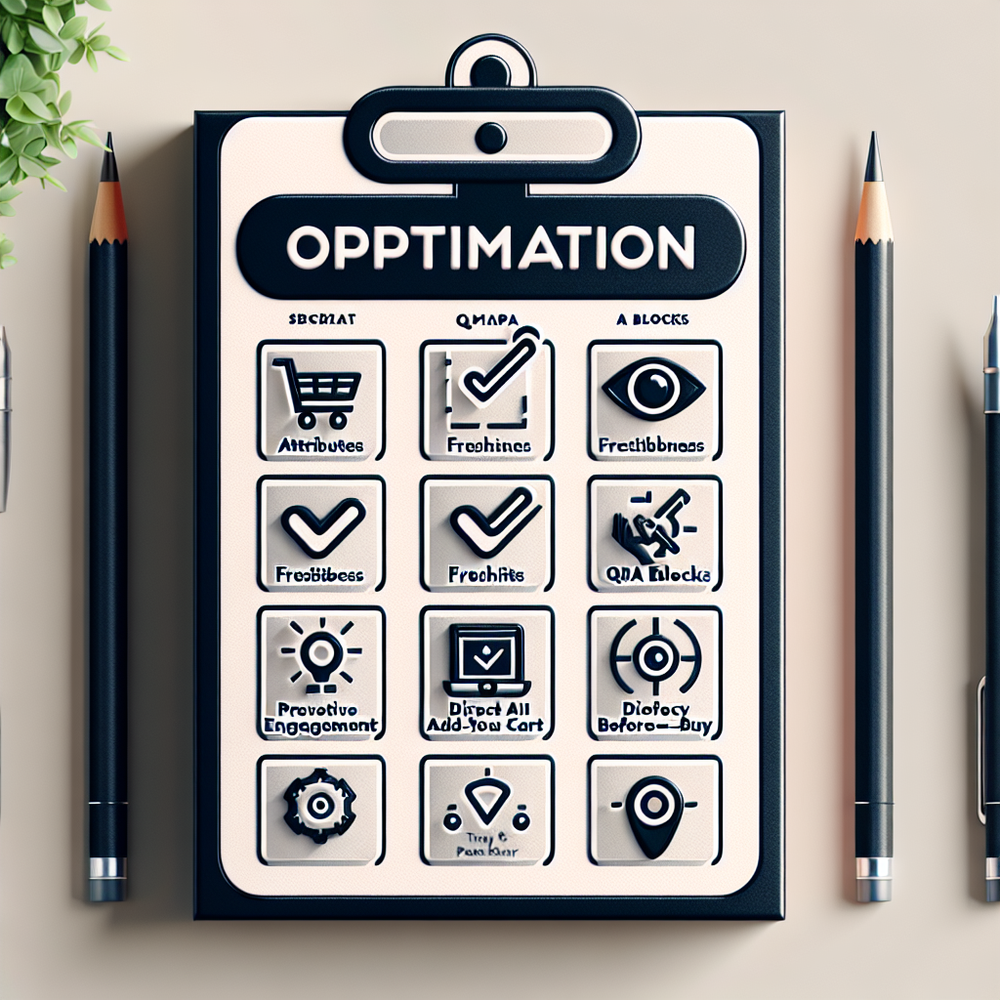
Quick checklist: 1) Normalize attributes for top 100 intents. 2) Ensure price/stock freshness under 30 minutes. 3) Add Q&A blocks to PDPs and top guides. 4) Enable Proactive Engagement and AI Shopping Chat on every page. 5) Wire Direct Add to Cart. 6) Add try‑confidence media (Virtual Try‑On/View in Room) where relevant. 7) Monitor inclusion and RPM weekly; prune low‑value variants. 8) Keep disclosures and policies one click or less from product picks.
Future Outlook: Winning the Agent Shelf
As conversational commerce expands, agents will weigh post‑click outcomes more heavily—delivery accuracy, return friction, and satisfaction. That favors teams with clean data and responsive UX. If you’re laying groundwork now, prioritize structured attributes, chat‑native content, and fast integration paths. The brands and publishers who treat AI engines like a real channel—not a bolt‑on—will own the agent shelf.
FAQ
What is AI shopping agent optimization?
It’s the practice of structuring your catalog and content so LLM‑based shopping assistants can confidently retrieve, cite, and convert your products. That means normalized attributes, fresh availability, and conversation‑ready guidance that answers likely follow‑ups.
How fast can I see results with Brambles.ai?
Most sites see the first lift in 2–3 weeks after indexing and enabling conversational features. Faster if you deploy the plugins and embed on high‑traffic guides first, then roll site‑wide.
Which Brambles.ai features help most with visibility?
Start with Content Intelligence for full‑site indexing, AI Product Discovery for natural‑language retrieval, and Proactive Engagement to seed intent‑rich interactions. Add AI Shopping Chat and Direct Add to Cart to tighten the loop.
Does this work for both publishers and brands?
Yes. Publishers gain inclusion and monetization through affiliate and retail media, while brands capture higher‑intent traffic and reduce dead‑ends. Both benefit from cleaner data and on‑site conversational signals.
How do I implement quickly and safely?
Use the Agentic Commerce Module, follow the integration guide, and start with a pilot on 20–30 high‑intent pages. Configure tone, disclosures, and policies; monitor inclusion and RPM for two weeks, then expand.
Related resources on Brambles.ai
If you are implementing this, start with Brambles.ai, enterprise solutions, publisher pricing, brand pricing.
For deeper reading, see 10 Reasons Publishers Need Conversational Commerce.
Related posts
View all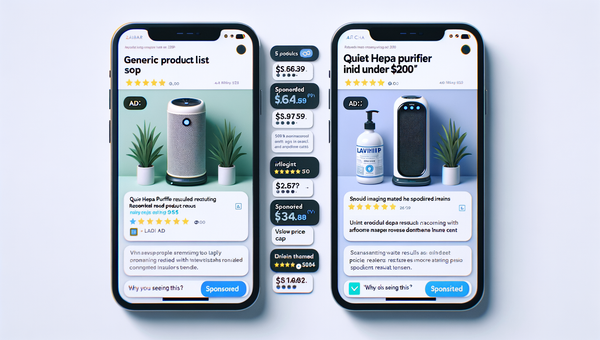
Sponsored Products in AI Shopping: Retail Media 101
Learn how sponsored product placements power AI shopping, how bidding and relevance work, and how to implement retail media without eroding trust or UX.
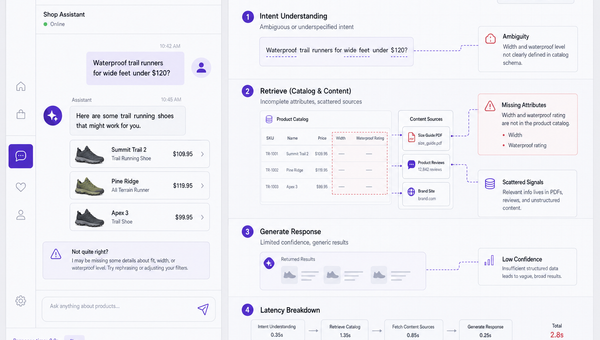
Why Good AI Shopping Agents Are Hard—and How Brambles Helps
Most AI shopping bots fail on data quality, UX, and trust. See why agents break in the wild and how Brambles.ai fills the gaps with measurable features.
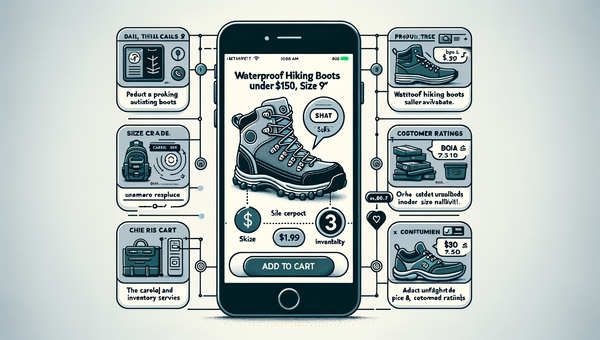
Direct Add to Cart from AI Chat Boosts Conversions
Shoppers convert faster when chat answers end in a one-tap cart. Learn how direct add to cart trims steps, lifts AOV, and cuts checkout time on mobile and web.
Explore Brambles.ai
Learn more about our AI-powered agentic commerce platform, agentic shopping, and shopping assistance solutions.
Explore More Insights
Discover more articles on AI, automation, and business innovation
View All Articles