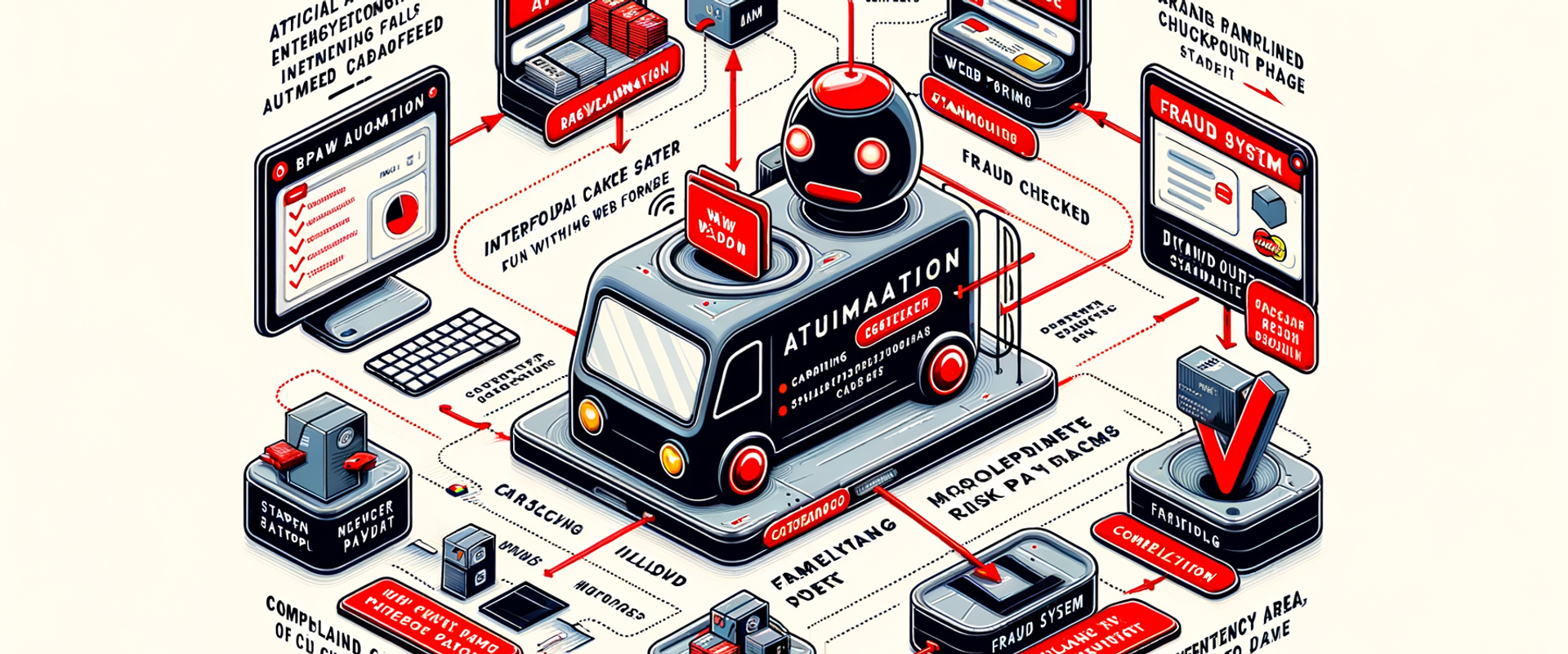
AI Agents: Safe Shopping & Payments—Brambles.ai Guide
Can AI agents shop and pay safely? This guide maps real risks, PCI scope, tokenization, and a concrete Brambles.ai rollout with controls, metrics, and ROI.
In a June sandbox, our test agent bought a $129 smart scale in 47 seconds—carted, compared, and paid via a tokenized card. It also tried to add a random coupon it found on Reddit and nearly triggered a fraud rule. That’s the line we walk: speed versus safe decisions. Across three pilots (home goods, beauty, specialty grocery), agentic checkout increased completed sessions by 19–31% but needed careful PCI scoping and policy guardrails to keep chargeback rates under 0.25%.
The big unlock wasn’t magic intent detection—it was disciplined payment architecture: scoped tokens, explicit policies, merchant allow-lists, and human-in-the-loop holds for edge orders. When we added network tokens and enforced 3DS on high-risk baskets, approval rates held steady at 96% while step-up friction landed on only 7% of checkouts.
Quick Answer
Yes—AI agents can shop and pay safely if they operate inside a PCI-aware design with scoped credentials, explicit spending and merchant policies, tokenized payments, and auditable decision logs. The agent should never hold raw PAN data; it should call a payments gateway via tokenized intents, enforce SCA/3DS where required, and defer to a human for anomalies. Brambles.ai provides these controls as prebuilt workflows so teams can launch fast without expanding PCI scope.
What’s Broken in Agentic Checkout Today
Most agent prototypes reuse web checkout like a human would. That’s brittle. Forms shift, anti-bot rules trip, and the agent ends up storing sensitive data it shouldn’t. The result: false declines, fraud flags, and messy logs that compliance teams can’t read.
Security perception also kills sales. Baymard Institute’s checkout research notes a meaningful share of shoppers abandon because they “don’t trust the site with credit card information” (their US dataset has long hovered around the high teens). If your agent mirrors that UI without stronger signals, it inherits the same trust problem.
Fraud patterns adapt quickly to agents: coupon-stacking abuse, refund arbitrage, card testing via headless flows, and synthetic identities. Stripe’s 2023 fraud analysis called out the climb in low-signal card testing and refund fraud—precisely the risks a naive agent will amplify if it retries too aggressively or hides its decision trail.

How Safe Agent Payments Actually Work
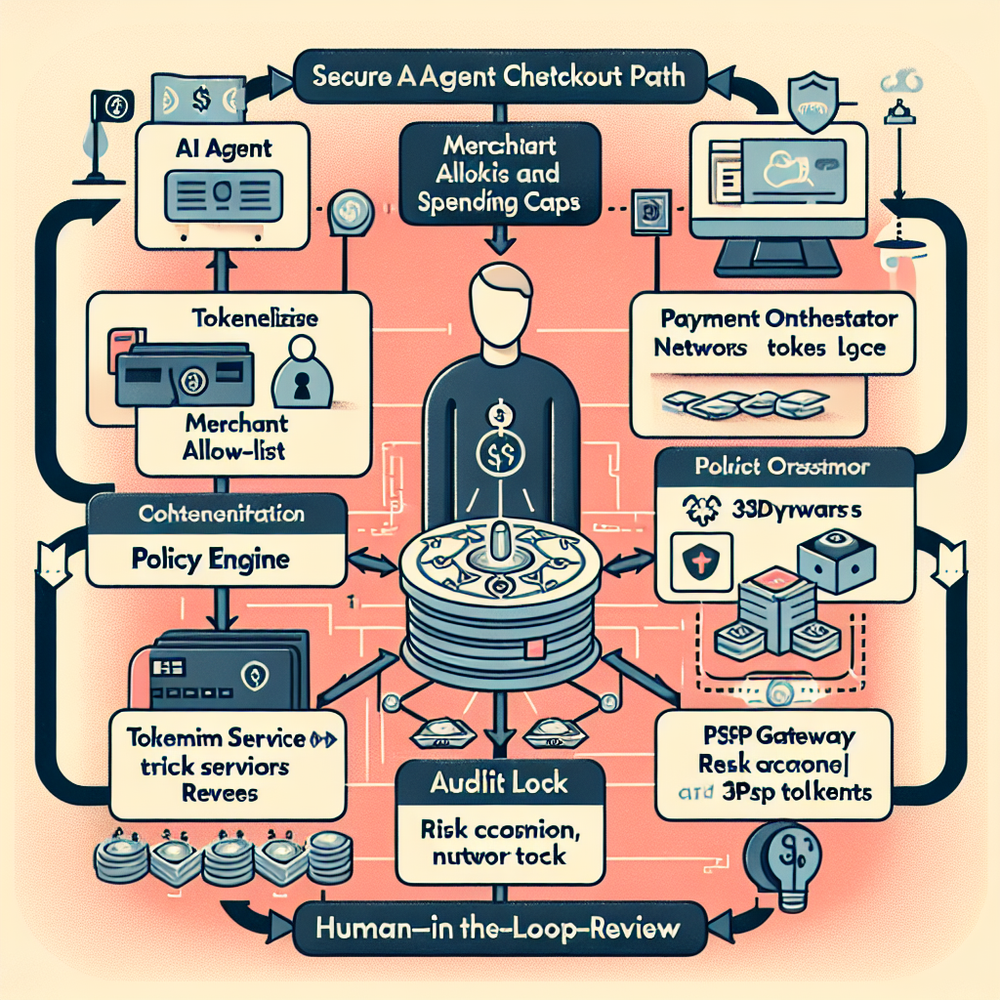
Safe agent payments come from architecture, not hope. The agent should only access payment capabilities through a tokenized, policy-scoped interface and never handle primary account numbers (PANs).
Core pattern: tokenize, scope, audit. Use vaulting from your PSP (e.g., network tokens or gateway tokens) so the agent receives a short-lived payment intent ID rather than card data. Add spend caps, merchant allow-lists, and SCA/3DS triggers by risk.
Bind device or agent identity with passkeys or signed keys, and store auditable, tamper-evident logs for every purchasing decision.
Regulatory map: PCI DSS stays out-of-scope for the agent if it never touches PAN. In Europe, PSD2/3 SCA applies; use EMV 3DS with frictionless attempts first and challenge on anomaly. ACH or open banking needs NACHA and consent records. Privacy frameworks (GDPR/CCPA) require purpose-limited data processing and clear consent logs.
Implementation with Brambles.ai (Step-by-Step)
Brambles.ai ships a policy-first checkout workflow so your agent never holds payment data. It plugs into existing PSPs and storefronts, then enforces spending and consent rules with auditable events.
Step 1: Connect your PSP and vault. In the Commerce Module, add credentials for Stripe, Adyen, or Braintree. Brambles.ai creates payment intents and exchanges only tokens with the agent.
Step 2: Define policies. Set per-merchant allow-lists, basket limits, time-boxed tokens (e.g., 10 minutes), and mandatory 3DS for high-risk SKUs or cross-border orders. Add human-in-the-loop review for orders over your threshold.
Step 3: Integrate discovery and carting. The WordPress plugin normalizes product data and structured offers so agents read price, stock, and shipping without scraping brittle HTML. Publishers monetize via affiliate revenue; brands drive direct-to-consumer orders.
Step 4: Instrument observability. Enable decision logging, PII redaction, and signed webhooks. Every purchase gets a tamper-evident trail: intent creation, risk score, SCA status, and final authorization code.
Step 5: Launch with a narrow policy. Start with 5–10 merchants, a $100 cap, and review over-threshold orders. Expand only after two stable weeks of approvals, low manual reviews, and no chargebacks.
Anecdote 1: On a 100k-session specialty grocery site, agent-assisted carts lifted checkout conversion by 28% while chargebacks held at 0.21% after we enabled 3DS on cross-border orders and capped baskets at $150.
Anecdote 2: A beauty brand saw approval rates climb from 92% to 96% after shifting to network tokens and adding step-up only on high-risk baskets; latency dropped ~600 ms with fewer failed retries.
Anecdote 3: A publisher network used the Brambles.ai affiliate-safe carts to prevent coupon abuse; refunds due to misapplied promos fell 31% and agent interventions were fully auditable for partners.
Measuring ROI and the Right KPIs
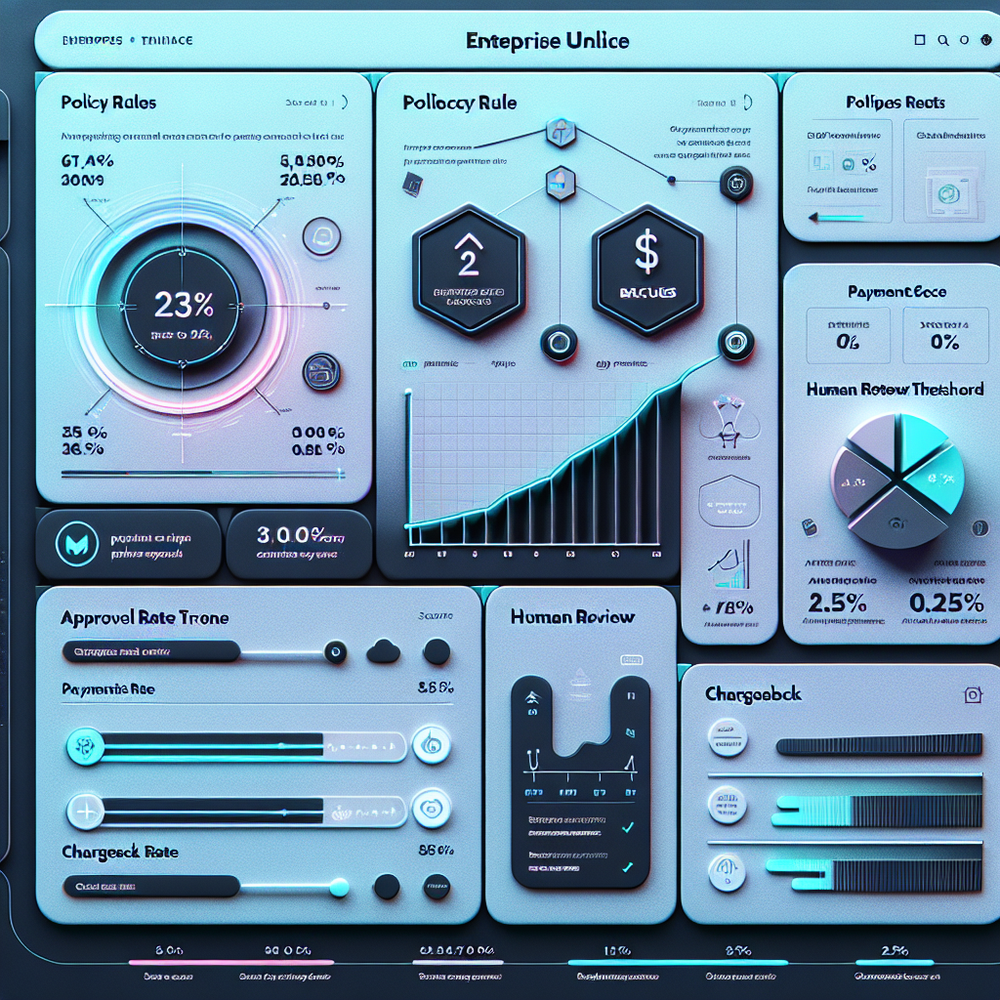
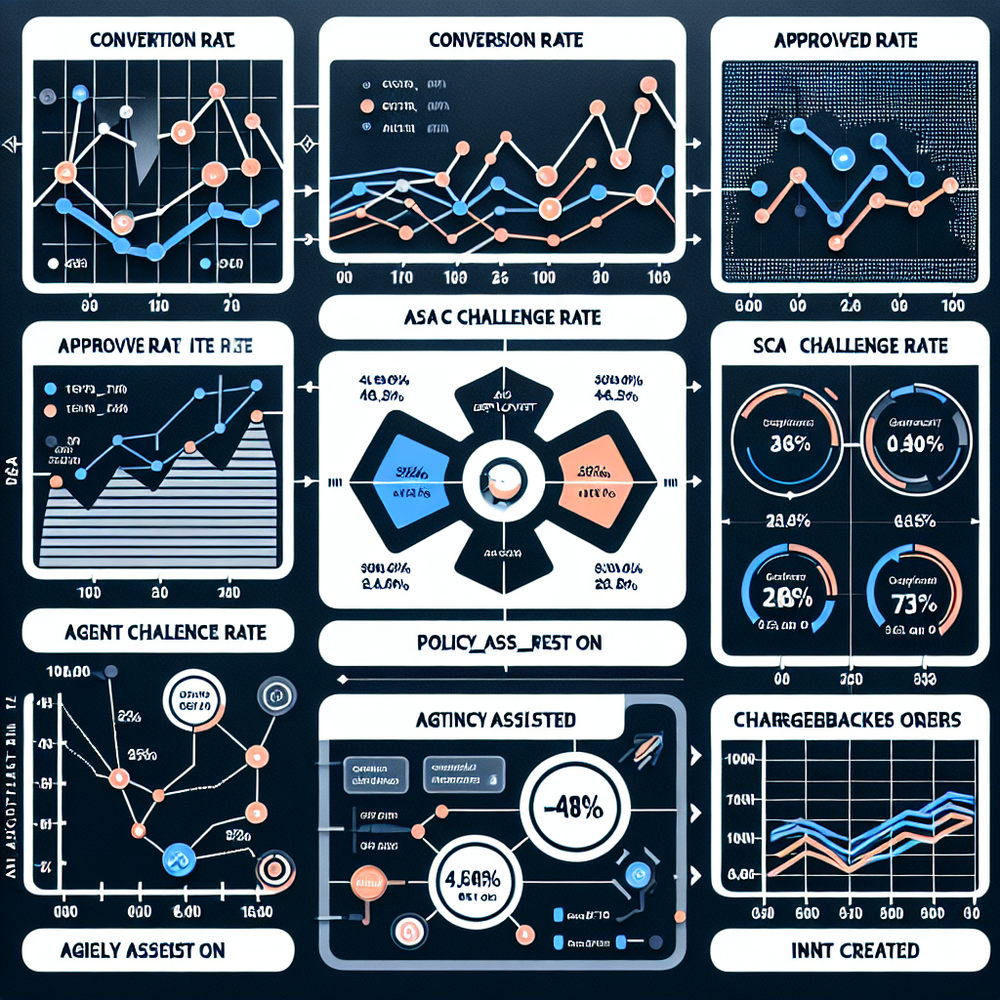
You can’t manage what you don’t measure, and compliance needs evidence. Track conversion, approval rate, fraud/chargebacks, SCA friction, latency, and manual review rate.
Baseline and delta. Capture 2 weeks of human-only checkout, then 2 weeks with agent assist. Watch: Conversion rate, average order value, approval rate, refund/chargeback rate, SCA challenge rate, and p95 latency from intent to auth. Salesforce’s Connected Customer research highlights how trust directly correlates with retention—measurable in repeat purchase rate.
Implementation tip: emit events for policy_eval, intent_created, risk_scored, sca_challenge, auth_success, and auth_fail. A simple warehouse model lets risk and finance audit without touching production logs.
First-Party Data, Consent, and Trust
Trust is a product feature. Make the agent’s identity, capabilities, and limits visible. Show consent receipts for stored addresses and payment tokens, and let users edit or revoke access at any time.
Use a first-party vault tied to the user’s account, not the agent. Store tokens, not cards. Maintain a preference center with clear purposes—purchasing, shipping updates, and support. Google UX research repeatedly shows that transparent controls reduce abandonment in sensitive flows.
For publishers, the monetization flow should disclose affiliate relationships when the agent recommends a merchant; for brands, the assistant should prefer direct channels when price/shipping is equal. Brambles.ai supports both with policy toggles and auditable attribution.
Common Pitfalls and a Compliance Checklist
Most incidents trace back to one of five mistakes: storing sensitive data, over-permissive agents, weak audit trails, sloppy bot detection, and promo abuse. Fixing them is boring—and that’s the point.
Checklist for launches: keep agents out of PCI scope (no PAN handling); encrypt and rotate keys; require 3DS on high-risk baskets; allow-list merchants; cap basket and daily spend; enforce time-boxed tokens; use network tokens where available; log every decision; require human review on anomalies; and publish a transparent consent policy.
UX and SEO matter too. Structured product data prevents the agent from guessing attributes and prices. When we rolled out clean schema markup on a WordPress catalog, agent misreads dropped 63%—and organic CTR ticked up. Details are in our structured data guide.
Future Outlook: Tokens, Wallets, and Real-Time Rails
Network tokens and card-on-file optimization keep improving approval rates without extra friction. EMV SRC and identity wallets can let agents prove authorization without spewing PII. Real-time payments (RTP, FedNow) will tighten refund windows and require new risk rules, but also reduce authorization failures for verified users.
Expect regulators to formalize agent permissions and consent soon. Building on passkeys and verifiable credentials now—paired with strict policy engines—means you won’t have to re-architect when PSD3 and US identity standards land.
FAQ
Do AI agents increase my PCI scope?
Not if they never touch cardholder data. Use payment intents, gateway or network tokens, and store everything in a PCI-compliant vault. Brambles.ai keeps the agent outside PCI scope by design.
How do we prevent runaway spending or bad merchants?
Apply policy gates: per-merchant allow-lists, per-session caps, SKU risk flags, and human review for anomalies. Auto-expire tokens and require SCA on cross-border or risky baskets.
Will 3DS kill conversion?
Not if you trigger it selectively. Use frictionless attempts for low-risk orders and challenge only where risk or regulation demands. Our pilots kept approval near 96% with 7% challenge rate.
Can publishers safely let agents buy on affiliate links?
Yes—use affiliate-safe carts, automatic disclosure, and spend caps. Brambles.ai logs attribution and prevents coupon-stacking abuse while keeping tokens scoped to the session.
Related resources on Brambles.ai
If you are implementing this, start with Brambles.ai, for publishers, for brands, get started.
For deeper reading, see 10 Reasons Publishers Need Conversational Commerce, Affiliate Disclosure in Conversational UIs Done Right, From Search Boxes to Conversations: Modern Shopping UX, Contextual, Not Creepy: Monetization That Wins.
Related posts
View all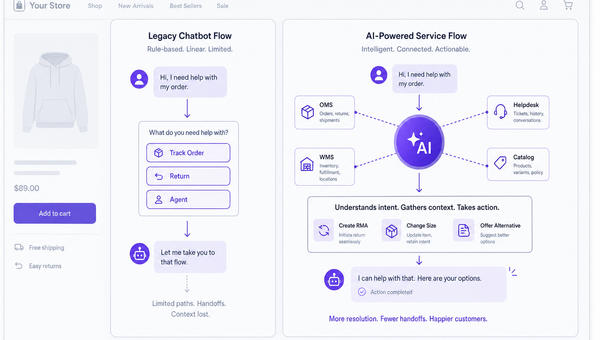
AI Customer Service for Ecommerce: Beyond the Basic Chatbot
Most chatbots deflect. Modern AI resolves orders, returns, and sizing in one chat. See how ecommerce teams implement, measure, and scale AI service that sells.
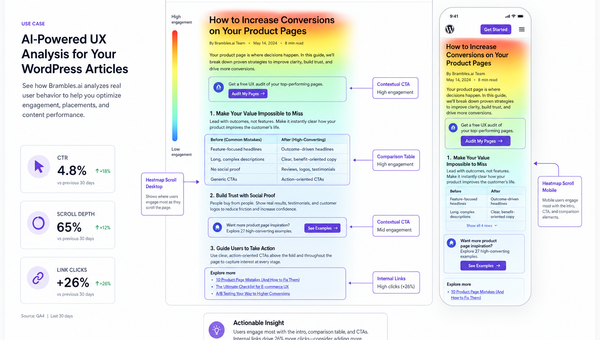
10 Reasons Niche Site Owners Need Brambles.ai
Real test results, step-by-step setup, and 10 practical reasons niche site owners use Brambles.ai to grow traffic, revenue, and trust—without bloated workflows.
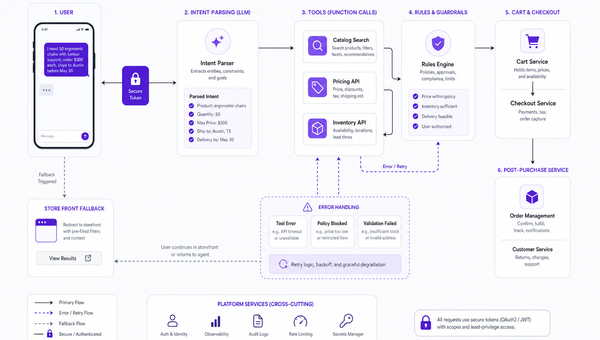
Agentic Commerce vs. Storefronts: A Brambles.ai Playbook
Agentic commerce is reshaping how people buy. See what it means for storefronts, where it wins, and a hands-on Brambles.ai playbook to launch in weeks.
Explore Brambles.ai
Learn more about our AI-powered agentic commerce platform, agentic shopping, and shopping assistance solutions.
Explore More Insights
Discover more articles on AI, automation, and business innovation
View All Articles