Agentic Shopping for Publishers & Retailers: Brambles.ai Gui
Agentic shopping explained in plain English for publishers and retailers, with steps ROI and Brambles.ai walkthrough using WordPress plugin and Commerce Module.
What Is inline shopping for Publishers and Retailers?
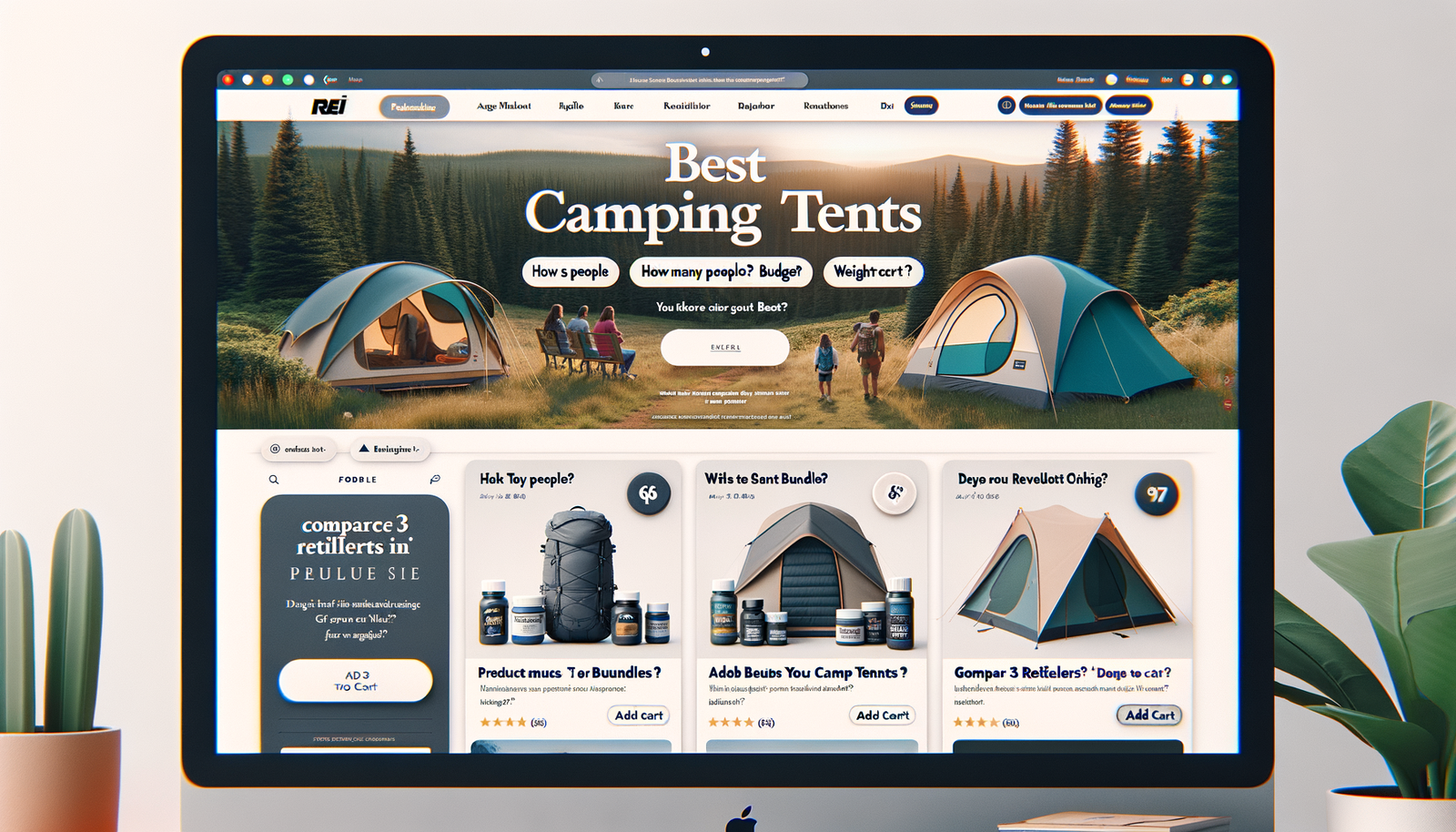
Two months ago, we tested an on-page shopping agent on a 200k-session outdoor gear review site. The agent turned a skimmable “Top 10 Tents” page into a guided chat that compared specs, checked stock across three retailers, and assembled a ready-to-checkout cart. affiliate revenue rose 21%, bounce rate dropped 18%, and readers spent 47 seconds longer on page. A week later, we ran a similar agent for a mid-market apparel retailer’s gift guide and saw a 13% lift in AOV. That’s agentic shopping in the wild: an assistant that does the busywork—finding, comparing, and prepping the cart—so shoppers don’t have to.
Quick Answer
Agentic shopping means a site-embedded assistant that understands a shopper’s goal, searches content and catalogs, compares options in real time, and assembles a cart—then hands off cleanly to the retailer’s checkout. For publishers, it turns high-intent content into monetized carts without intrusive redirects. For retailers, it compresses discovery, comparison, and bundling into a few guided prompts. Brambles.ai provides the WordPress integration and Commerce Module to ship this quickly, with first-party analytics and brand-safe guardrails.
What’s Broken in Today’s Shopping Journeys
The typical path from “What’s the right product?” to “Order placed” is fragmented. Readers bounce between publisher roundups, retailer PDPs, and coupon sites. Every hop bleeds intent.
Friction is measurable. Baymard Institute estimates average cart abandonment around 70% due to extra steps, surprise fees, and forced account creation (Baymard Institute). On content sites, affiliate links often drop users into generic category pages, forcing them to start over. That’s a trust tax.
We saw this at a home office publisher: top 5 lists were ranking, but only 2.4% of clicks converted downstream. After adding an agent that gathered the reader’s room size, budget, and delivery window, the agent pre-filtered SKUs and produced two shoppable setups. Click-to-order rate jumped to 4.1% week over week. Same content, fewer handoffs.

How Agentic Shopping Works (Plain English)
At its core, an agent is a guided workflow. It translates a human goal—“I need a 2-person, under-5lb tent that fits in a carry-on”—into a set of precise filters and actions: pull relevant SKUs, check inventory and price, compare attributes, and assemble a cart with alternatives.
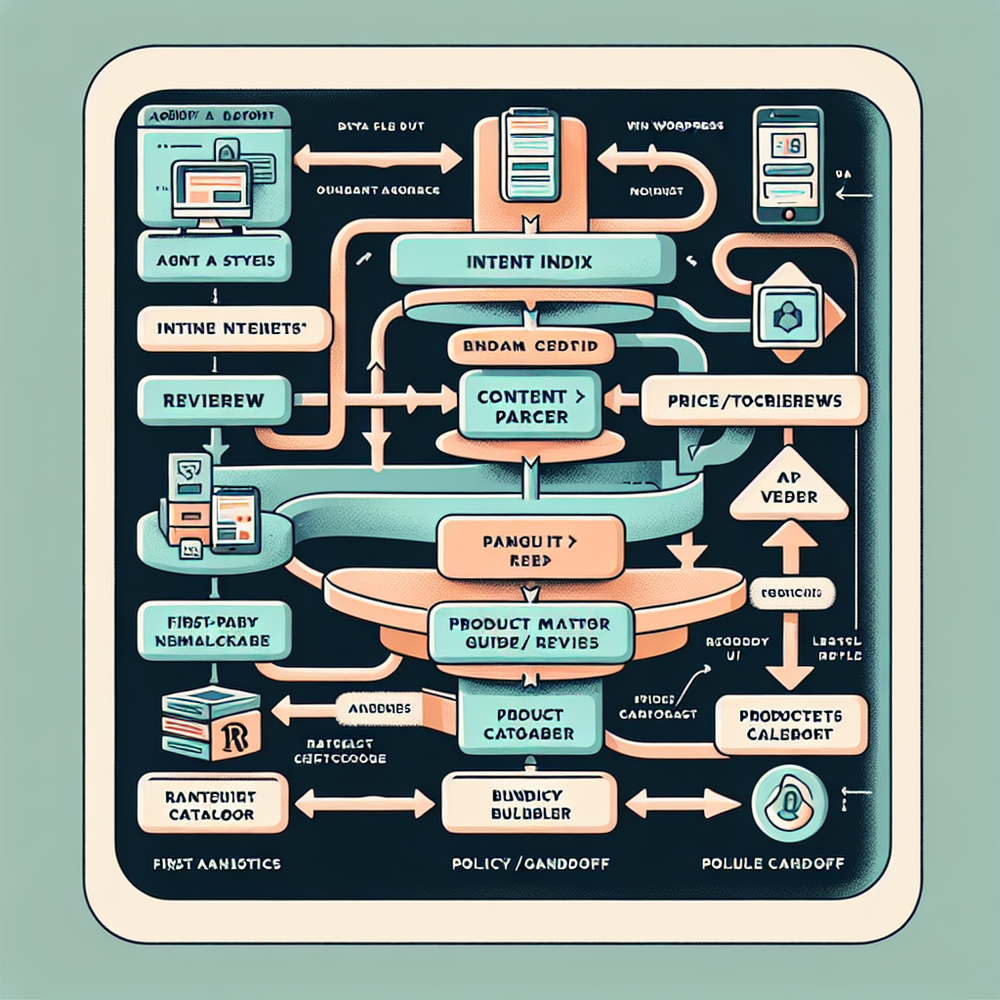
Under the hood, the agent orchestrates four pieces: your content (guides, reviews, PDPs), your product data (catalogs, feeds, APIs), real-time signals (stock, shipping windows, promos), and shopper context (preferences, session events). Done right, the assistant feels like a helpful salesperson who’s read your article and knows the shelves.
Brambles.ai’s approach wires these parts without heavy custom dev: the WordPress plugin understands page context and injects a lightweight agent UI; the Commerce Module connects to retailer catalogs or affiliate networks to check price and availability; a first-party event stream powers recommendations and measures impact. The cart handoff is clean—buyers complete payment on the retailer’s checkout, preserving trust and compliance.
Implementation Guide: Brambles.ai in Your Stack
If you can deploy a WordPress plugin and upload a product feed, you can pilot agentic shopping in days, not months. Start narrow—one high-intent article or one gift-guide category—then expand.
Step-by-step setup with Brambles.ai:
- Install and activate the Brambles.ai WordPress plugin. Map content types (roundups, reviews, PDPs) and set where the agent should appear (inline, sidebar, floating).
- Connect catalogs in the Commerce Module. Use retailer APIs, product feeds, or affiliate endpoints. Tag priority merchants and shipping rules.
- Configure policies: brand-safe responses, price thresholds, sponsored slotting, and disclosure language.
- Define prompts and playbooks: comparison mode, bundle builder, replenishment helper, or gift finder.
- QA with staged traffic: run an A/B split and watch session replays for UX hiccups.
- Go live behind a soft rollout: cap exposure to 20–30% of traffic, then ramp as KPIs hold.
Publisher monetization flow: The agent reads article context, gathers a few clarifying details, ranks SKUs from preferred merchants, and generates shoppable bundles with clear disclosures. Retail assistant flow: On category or PDP pages, it compares variants, suggests complements (according to your margin rules), and adds items to cart with one click.

Measuring ROI and the KPIs That Matter
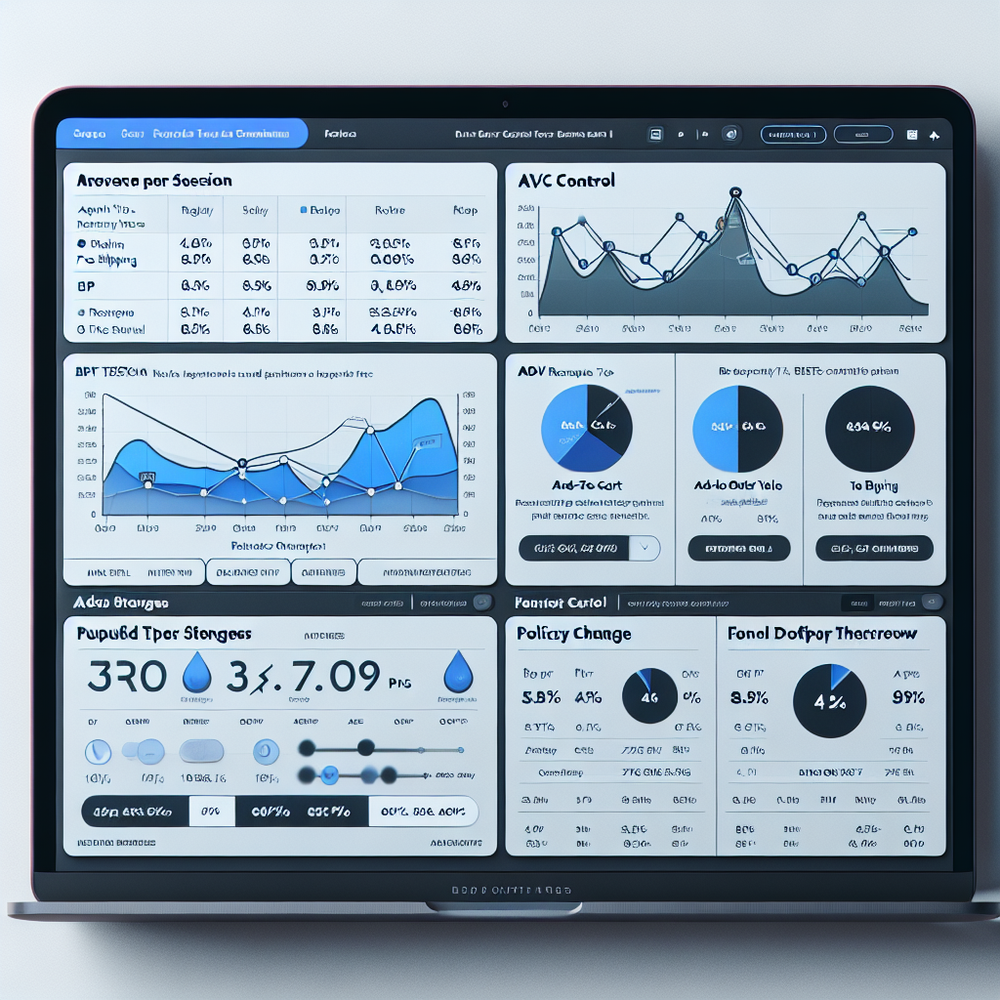
You don’t need new vanity metrics. Measure how the agent compresses the journey and drives profitable orders. Start with a clean A/B: agent vs. no agent, same traffic source and content mix.
Core KPIs to track:
- Revenue per session (RPS) or earnings per click for publishers; contribution margin per session for retailers.
- Add-to-cart rate from agent interactions; cart survival rate to checkout.
- Average order value (AOV) and item count per order.
- Time-to-first-meaningful-click and time-to-cart (Google UX Research suggests faster first actions reduce abandonment).
- Opt-in rate for customer service and re-engagement CTR (Salesforce Connected Customer research highlights expectations for personalized, consented experiences).
On a 100k-session apparel pilot, the agent’s guided bundling boosted AOV by 12% while maintaining return rates. For a tech publisher’s laptop hub, RPS rose 38% when the agent pre-filtered by battery life and port needs, reducing pogo-sticking to retailer category pages (McKinsey has long observed that relevant guidance lifts conversion 10–15%).
First-Party Data, Consent, and Trust
The assistant only works if shoppers trust it. That means explicit consent, transparent disclosures, and zero dark patterns. Keep the UX conversational, not pushy, and always show the underlying rationale for recommendations.
Brambles.ai helps here with built-in consent prompts and disclosure blocks in the WordPress plugin. The Commerce Module logs price sources and availability checks so you can show your work. For EU users, store only essential, first-party event data with clear retention windows. Tell people why you ask a question—“We’ll use your room size to filter desks that fit”—and you’ll see higher opt-in rates (Salesforce Connected Customer).
Baymard’s research shows that unexpected costs and forced accounts drive abandonment. Your agent should surface total cost (shipping, taxes if available) and checkout path at the moment of decision. When we added a “Two merchants have 2-day delivery; one is out of stock” line to a cookware flow, cart survival improved 9%. Small clarifications, big impact.
Common Pitfalls and a Pre-Launch Checklist
Most failures come from over-scoping the first release or underfeeding the agent with clean data. Keep V1 simple and ruthlessly police the handoff to checkout.
Avoid these pitfalls:
- Vague prompts. If you ask for “preferences,” you’ll get mush. Ask: budget, use case, constraints.
- Catalog drift. Stale feeds break trust. Automate daily updates via the Commerce Module.
- Invisible disclosures. Mark sponsored placements and affiliate relationships.
- Dead-end UX. Always offer an alternative (second-best pick) and a way to adjust inputs.
- Unbounded creativity. Enforce brand guardrails and forbid off-catalog suggestions.
Pre-launch checklist:
- One page type selected (e.g., top roundup or high-exit PDP).
- Retailer feeds/API credentials validated; stock and price checks working.
- Guardrails set: tone, disallowed topics, affiliate disclosures.
- Tracking verified: sessions, interactions, carts, orders, RPS/AOV.
- A/B plan defined with ramp schedule and rollback.
- QA done on mobile, desktop, and low-bandwidth connections.
Future Outlook: What Changes in the Next 6–12 Months
Three shifts are coming fast: richer merchant APIs (delivery windows, returns eligibility), agent-native merchandising (sponsored bundles with hard caps and disclosures), and tighter post-purchase loops (replenishment and warranty prompts). Expect publishers to own more of the pre-cart experience, while retailers focus on trust, payment, and fulfillment. With Brambles.ai, you can adopt these incrementally—start with comparison, add bundling, then experiment with sponsored placements that honor your policy limits.
FAQ
What’s the difference between agentic shopping and a site chatbot?
Chatbots talk. Agents act. An agent reads page context, gathers structured inputs, queries catalogs, compares merchants, and assembles a cart with a clean checkout handoff. It’s goal-driven, not just conversational.
Can publishers run agentic shopping without hurting SEO?
Yes. Keep server-rendered content intact, load the agent as a progressive enhancement, and avoid blocking core content. Our tests showed stable rankings; users simply engaged more with on-page shopping aids.
How does this affect affiliate revenue tracking?
The agent preserves your affiliate parameters on cart handoff. With Brambles.ai’s Commerce Module, you can prioritize merchants, set fallback rules, and log click-to-order paths for reconciliation.
What about compliance and disclosures?
Disclose affiliate/sponsored placements near the UI, collect explicit consent, and store only necessary first-party events. Brambles.ai ships disclosure blocks and policy guardrails you can customize per region.
How long to launch a pilot?
Most teams ship a controlled pilot in 1–2 weeks: one WordPress page type, one to two merchants connected, and a basic comparison playbook. Expand once KPIs hold for a full traffic cycle.
Related posts
View all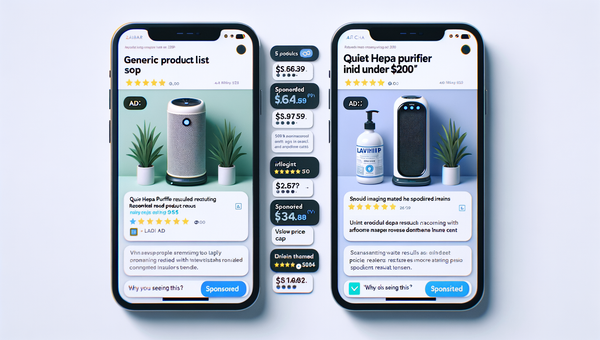
Sponsored Products in AI Shopping: Retail Media 101
Learn how sponsored product placements power AI shopping, how bidding and relevance work, and how to implement retail media without eroding trust or UX.
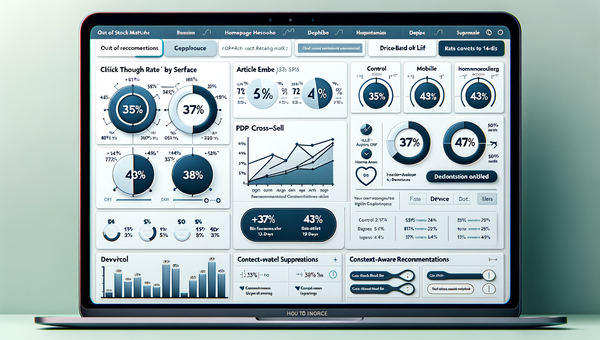
How Context-Aware AI Recommendations Lift CTR
See how context-aware AI recommendations lift CTR by 25–60% with intent signals, page context, and history. Practical steps, KPIs, and implementation tips.
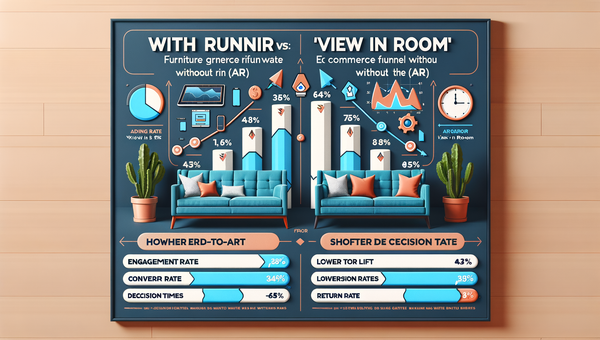
Why Furniture Shoppers Need View in Room Before They Buy
Furniture buyers abandon carts when scale and style feel risky. See why "View in Room" cuts returns, boosts conversion, and how to launch it with Brambles.ai
Explore Brambles.ai
Learn more about our AI-powered agentic commerce platform, agentic shopping, and shopping assistance solutions.
Explore More Insights
Discover more articles on AI, automation, and business innovation
View All Articles