Agentic Retail: Inventory, Pricing & Personalization
See real agentic retail use cases that lift margins: dynamic inventory, AI pricing, and 1:1 personalization. Steps, KPIs, and how Brambles.ai implements.
Two weeks after we switched on an agentic rebalancer for a specialty apparel merchant, overstocks on long-tail sizes dropped 19% and clearance dependency fell by 11%. The buyer’s note to me said it best: “We didn’t order less. We ordered smarter.”
On a 200-SKU pilot in home goods, an autonomous price tester found three “sticky” price points that added 2.4 percentage points to gross margin without denting session-to-checkout. Same traffic, more contribution per visit. And when we layered 1:1 content-driven recommendations with content intelligence across their blog, AOV nudged up 7% in four days.
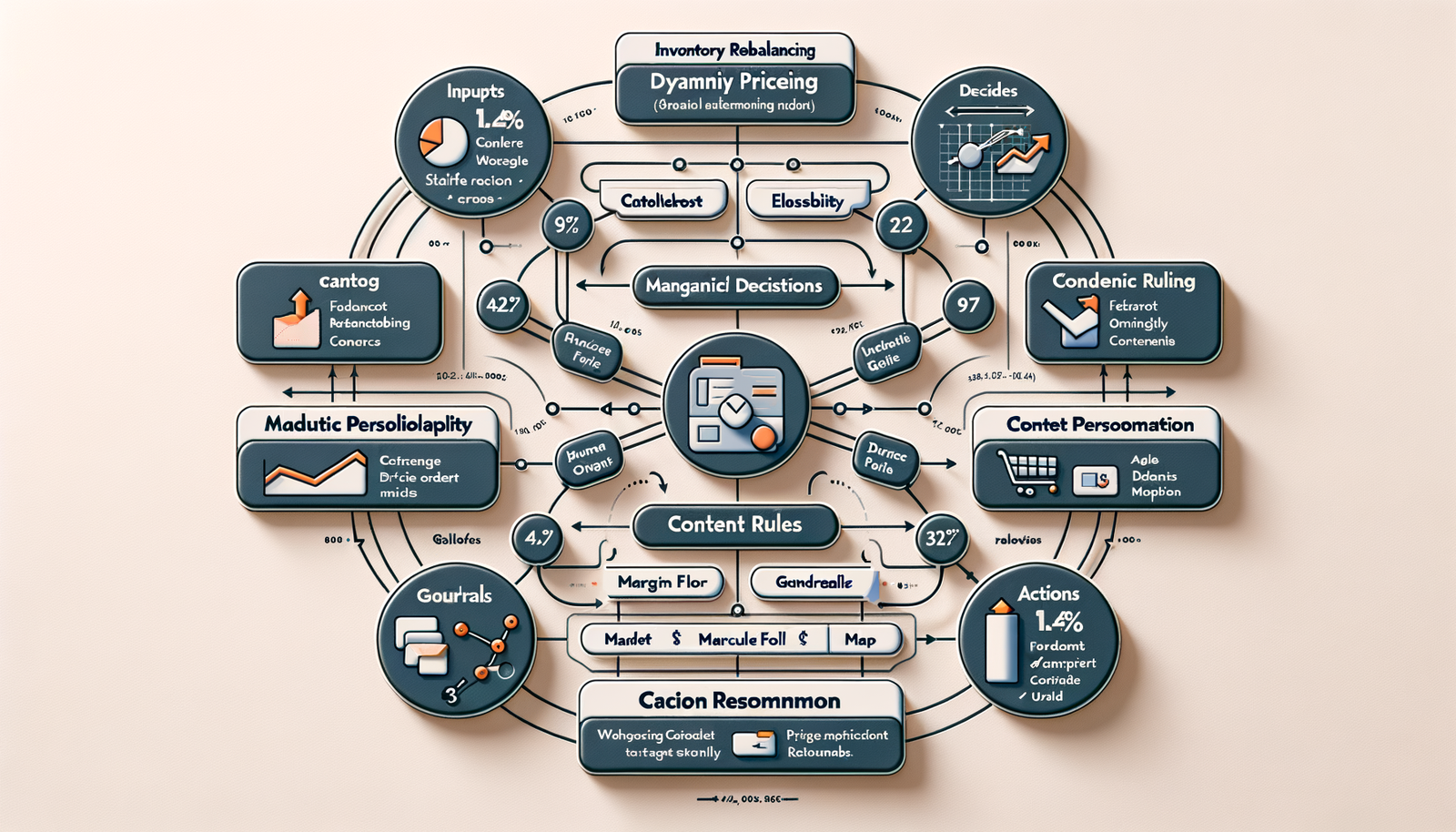
Agentic retail isn’t magic. It’s well-instrumented loops that watch signals, decide with guardrails, and act faster than manual playbooks. Below is how those loops play out in inventory, pricing, and personalization—and how Brambles.ai plugs in without ripping out your stack.
Quick Answer
Agentic retail uses goal-driven software agents to forecast, reprice, and personalize in near real time. For inventory, agents rebalance supply to demand by SKU and location. For pricing, they test constrained price moves to maximize contribution dollars, not just conversion. For personalization, they assemble content and product logic per user consent. Brambles.ai provides these loops out of the box—connect your catalog, orders, and content; set guardrails; approve suggestions or let safe automations run.
What’s Broken in Retail Ops Today
Most teams know what to do—order, reprice, recommend—but cadence kills results. Forecasts lock monthly while demand shifts weekly. Markdown calendars move like trains even when weather, creators, or competitors blow up the schedule.
Pricing is often rule-led, not outcome-led. A 10% promo goes live because the calendar says so, not because elasticity and inventory say it should. McKinsey reports advanced pricing can lift margins 2–5% in retail when run as a dynamic, test-and-learn system.
personalization with product discovery. Consumers reward relevance, but only when the value exchange is obvious and privacy-respecting. Salesforce finds 73% expect better personalization as relationships deepen, and they’ll walk when brands misuse data.
How Agentic Retail Works
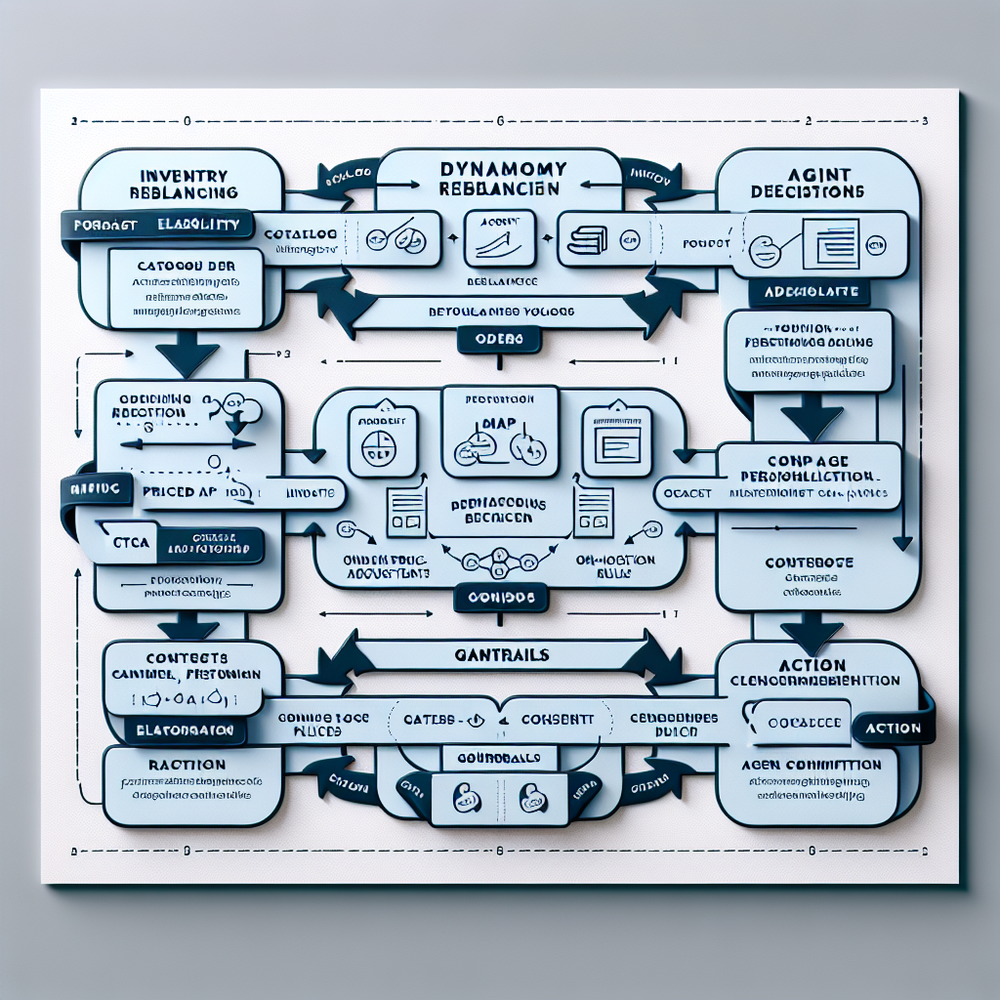
The pattern is simple: observe, decide, act—under constraints. Agents subscribe to events (traffic spikes, stock dips, competitor moves), predict short-term outcomes, propose actions, and either auto-apply or stage for approval.
Useful agents have tool access. For inventory, tools include lead-time models and transfer costs. For pricing, tools include elasticity curves, competitor price checks, and MAP rules. For personalization, tools include consented first-party profiles and content blocks that can be assembled on the fly.
Brambles.ai ships these tools with human-in-the-loop control. You can let the agent suggest price tests daily but only auto-apply when margin and sell-through targets are jointly met. You decide the automation floor and what stays as a recommendation queue.
Implementation with Brambles.ai
You can get to first value in weeks, not quarters. Here’s a proven rollout path that avoids a painful replatform.
Step-by-step setup:
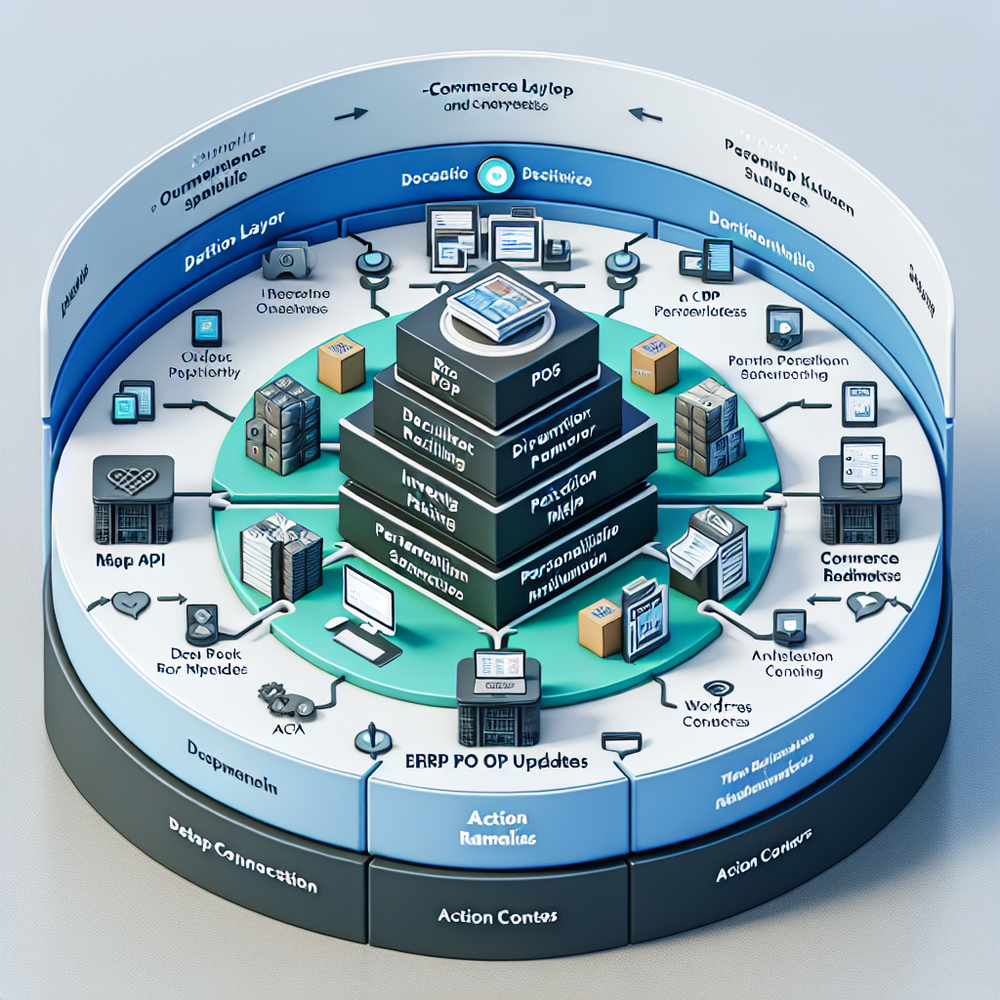
1) Connect data. Sync catalog, inventory by location, orders, and web analytics. Brambles’ Commerce Module ingests this via native connectors or scheduled CSVs.
2) Define goals and guardrails. Set target margin by category, safety-stock minima, and per-SKU MAP. Add constraints like maximum daily price delta or exclusion lists for premium lines.
3) Turn on agents in suggest mode. Let inventory and pricing agents create daily recommendations; approve inside a single queue. Use Slack or email digests for fast reviews.
4) Personalize with content. Install the Brambles WordPress plugin to render product cards, bundles, and dynamic offers in blog posts and landing pages. It respects consent and can fall back to generic content when signals are thin.
5) Expand to automation. Promote stable plays—like low-risk price nudges on long-tail SKUs or inter-warehouse transfers under a cost threshold—from suggest to auto-run. Keep human approval on sensitive, brand-critical lines.
Go-live checklist: data freshness under 2 hours; guardrails verified; holdout groups defined; rollback plans in place; dashboards wired to contribution dollars, not vanity KPIs.
Anecdote: a lifestyle publisher using Brambles’ publisher monetization flow embedded agent-chosen product cards in gift guides. That single change monetized 14% more traffic without adding new articles.

Inventory and Pricing Playbooks
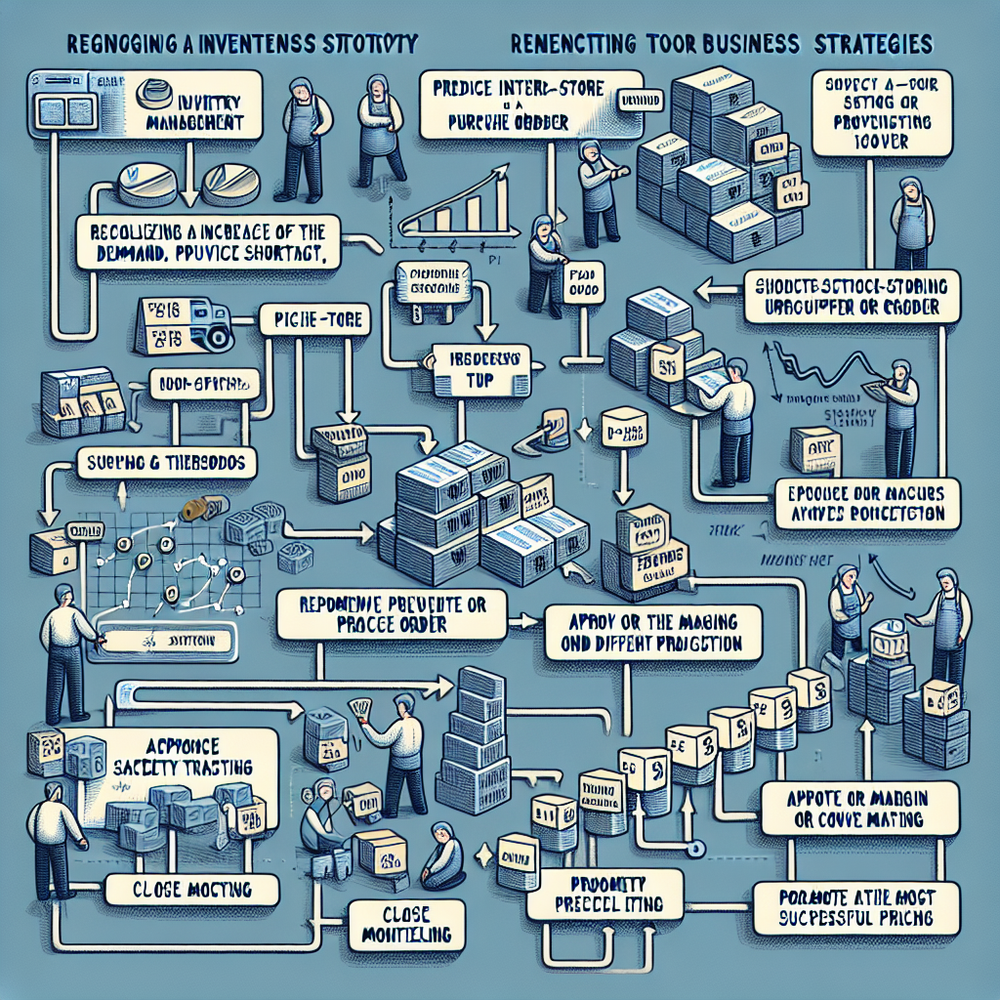
Inventory: aim to reduce mismatch, not just stockouts. The agent scores SKUs by demand risk and recommends transfers, PO tweaks, or rate-limited back-in-stock preorders under clear SLA messaging.
Practical moves: lower EOQ for volatile SKUs, bump safety stock where creator-driven traffic surges, and pre-position top sizes near urban nodes before paydays. Agents should tag the cost-to-serve impact so ops and finance trust the change.
Pricing: test, don’t guess. Start with long-tail or private-label items where MAP is loose. Constrain deltas to ±5% daily, cap weekly lift, and optimize on contribution dollars per session. Promote winners only after 1,000+ sessions per cell to avoid false positives.
Field note: on a 100k-session DTC site, constrained price tests on 18 private-label SKUs improved contribution by 9.7% month-over-month with no change to paid spend. The agent paused two SKUs when competitor prices collapsed—guardrails doing their job.
Personalization, First-Party Data, and Trust
Personalization works when the value exchange is explicit. Show why you’re recommending, allow easy opt-outs, and bias toward context like category interest, recency, and content engagement over creepy signals.
Google and BCG report that activating first-party data can drive revenue lift with better cost efficiency, but only when consent flows and measurement are mature. Build segments from on-site behaviors and purchases; keep PII minimal and encrypted.
In Brambles, the brand/retail assistant flow assembles content blocks—how-tos, UGC, and bundles—via the WordPress plugin. On an outdoor gear blog, switching to agent-chosen bundles raised PDP click-through 23% while maintaining a 92% consent rate measured on the banner.
Measuring ROI & KPIs
Decide with a scoreboard, not a vibe. For inventory, track: stockout rate by top decile SKUs, weeks of supply, transfer ROI (saved markdowns minus logistics), and clearance dependency.
For pricing, use contribution dollars per session (gross margin minus fulfillment costs, divided by sessions) and price test win rate. For personalization, focus on PDP CTR from content, AOV deltas, and consent rate. Keep a 10–20% traffic holdout to quantify lift credibly.
Brambles.ai centralizes these KPIs with side-by-side holdouts. Alerts fire when lift turns negative or tests underpower. You’ll know when to promote a play to automation or pull it back to suggest-only mode.
FAQ
How is an agent different from rules-based automation?
Agents optimize toward goals using forecasts and feedback, not just if/then rules. They learn from outcomes and respect guardrails like MAP, margin floors, and consent.
Will this replace my merchandisers or pricing team?
No. High-value judgment stays human. Agents take the repetitive, high-frequency decisions off your plate so teams focus on assortment, storytelling, and vendor strategy.
What data do we need on day one?
Catalog, historical orders, on-hand inventory by location, and web analytics. Optional: competitor prices and supplier lead times to sharpen forecasts and price testing.
How do we avoid privacy risks?
Use consented first-party data, encrypt PII, and explain recommendations. Salesforce finds trust drives loyalty; clear value exchange plus controls keeps opt-in rates high.
How fast can we see impact?
Most teams see quick wins in 2–4 weeks on constrained price tests and content personalization. Inventory improvements compound over 1–2 cycles as transfers and POs update.
Related resources on Brambles.ai
If you are implementing this, start with Brambles.ai, for publishers, for brands, get started.
For deeper reading, see 10 Reasons Publishers Need Conversational Commerce, Affiliate Disclosure in Conversational UIs Done Right, From Search Boxes to Conversations: Modern Shopping UX, Contextual, Not Creepy: Monetization That Wins.
Related posts
View all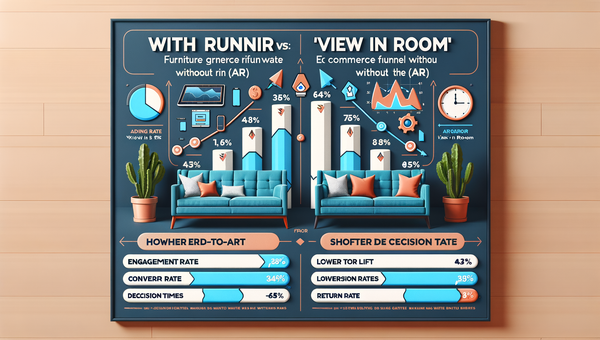
Why Furniture Shoppers Need View in Room Before They Buy
Furniture buyers abandon carts when scale and style feel risky. See why "View in Room" cuts returns, boosts conversion, and how to launch it with Brambles.ai
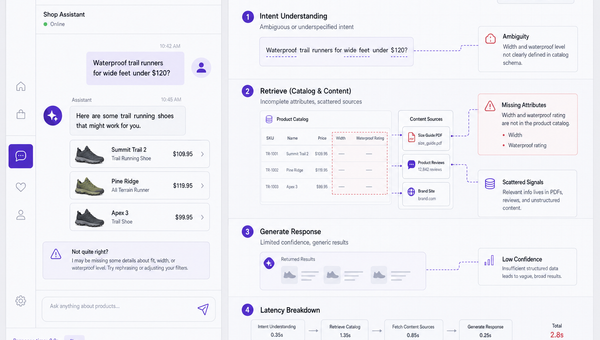
Why Good AI Shopping Agents Are Hard—and How Brambles Helps
Most AI shopping bots fail on data quality, UX, and trust. See why agents break in the wild and how Brambles.ai fills the gaps with measurable features.
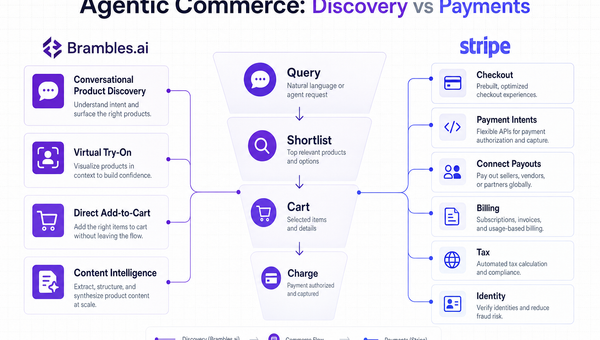
Stripe Agentic Commerce vs Brambles.ai: When to Use Each
Confused between Stripe’s agentic stack and Brambles.ai’s conversational shopping? See real trade‑offs, use cases, ROI, and an implementation path for each.
Explore Brambles.ai
Learn more about our AI-powered agentic commerce platform, agentic shopping, and shopping assistance solutions.
Explore More Insights
Discover more articles on AI, automation, and business innovation
View All Articles