Agentic Commerce Without a Big Team: Brambles.ai Setup
Small teams can launch agentic commerce in days. See a Brambles.ai setup, KPIs to track, and lean workflows using WordPress and the Commerce Module. Now.
Three weeks after launching a chat-to-cart assistant on a 40‑SKU skincare site, our two‑person team saw AOV climb 12% and PDP bounce fall 18%. No new headcount. The lift came from one agent that answered shade-matching questions, built bundles, and pushed a prefilled cart—without pulling engineers off the roadmap.
On a marketplace pilot (100k monthly sessions), agentic bundles drove a 42% uptick in add‑to‑cart for long‑tail categories by suggesting complementary SKUs users never saw in top nav. A third test—WordPress plugin install + Commerce Module sync—took 90 minutes. Within a week, 12% of agent chats converted to checkout. This is what “agentic commerce without a big team” actually looks like in the wild.
Quick Answer
Yes. A small team can launch agentic commerce in days if you scope the assistant to a few high‑intent use cases (finding fit, building bundles, restock flows) and integrate where decisions are made—search, PDP, cart. With Brambles.ai, you install the WordPress plugin, sync catalog via the Commerce Module, define guardrails, and turn on chat‑to‑cart. Start narrow, measure conversion impact, then expand. No need for a full-time ML crew.
What’s Broken: The Gaps Small Teams Can’t Staff For
The blocker isn’t ideas—it’s bandwidth. Most lean teams can’t continuously tune taxonomy, search synonyms, real‑time bundles, and dynamic FAQs. That’s where shoppers drop off.
Baymard’s research shows average cart abandonment near 69%, with poor findability and uncertainty among top reasons. Google’s UX studies also note users bail when they can’t quickly reach a confident decision. In practice, that means: search that ignores intent (“running shoes for flat feet”), PDPs that don’t resolve edge cases, and promotions that miss context.
Agentic flows compress the decision path. Instead of dumping users into filters, the assistant asks one or two clarifying questions and assembles a ready‑to‑buy option. That last mile—turning understanding into a cart—usually takes ops, merchandising, and dev. An agent can carry it for you.
How Agentic Commerce Works (And Where It Fits)
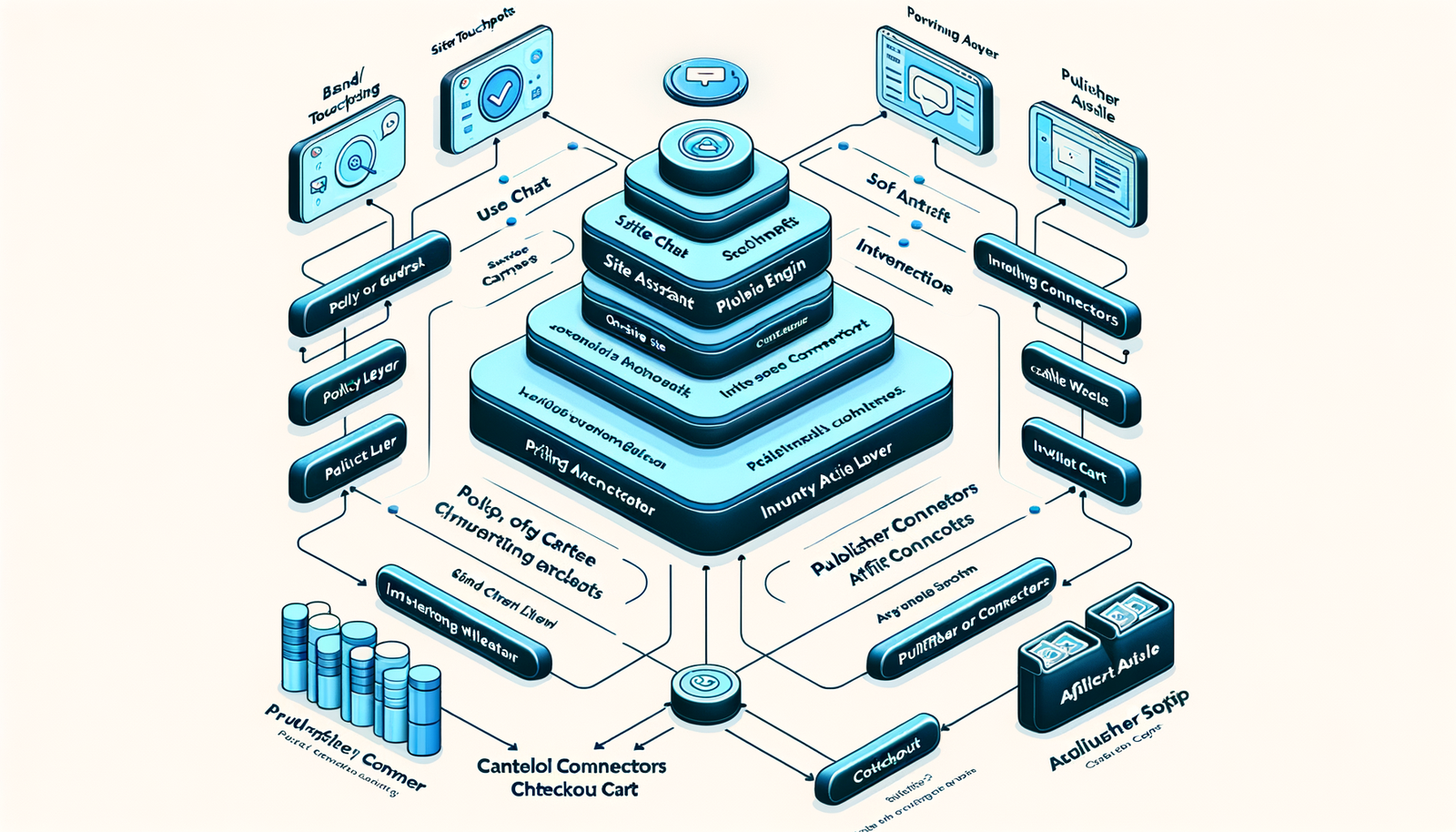
At its core, an agent translates intent into a transaction. It listens (chat, search, voice), grounds answers in your catalog and policies, proposes a solution (single SKU, bundle, subscription), and executes the action (add to cart, create ticket, send post‑purchase tip). Brambles.ai handles this with a guardrailed reasoning engine that’s wired to inventory, pricing, and content, so the agent never freewheels beyond what you sell and support.
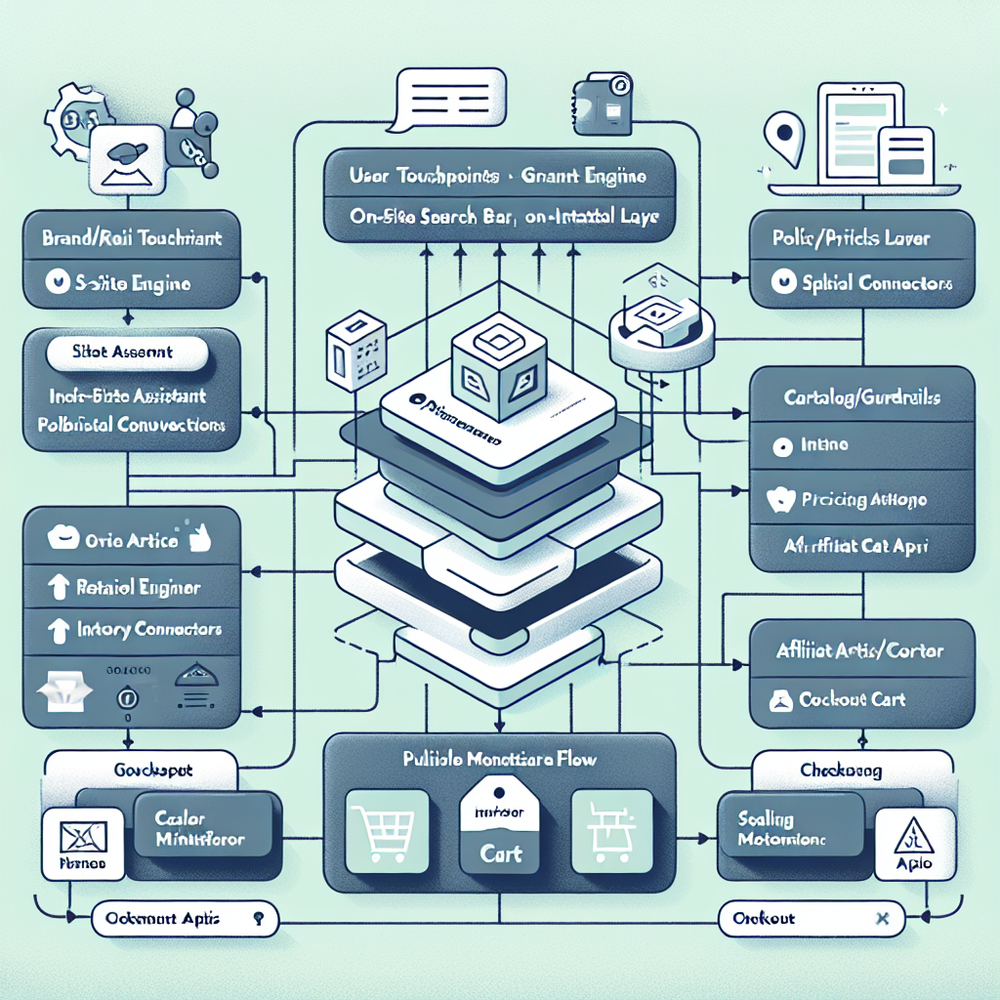
Two flows matter for most launches: the brand/retail assistant flow that resolves shopper questions and pushes a prefilled cart; and the publisher monetization flow that lives on a partner article or buying guide to assemble affiliate carts. Both share a common brain and policy layer; they just point to different checkout endpoints and attribution rules.
Implementation Guide: Brambles.ai Beginner Setup
You don’t need a platform replatform. A small scope launch takes a day or two. Here’s the fastest path we’ve used on lean teams.
Step 1 — Pick one high-intent wedge: Choose one job to be done where users stall: fit/sizing, compatibility, shade matching, or bundle building. Pull 20 real chats or emails and list the top 5 intents with phrases users actually type.
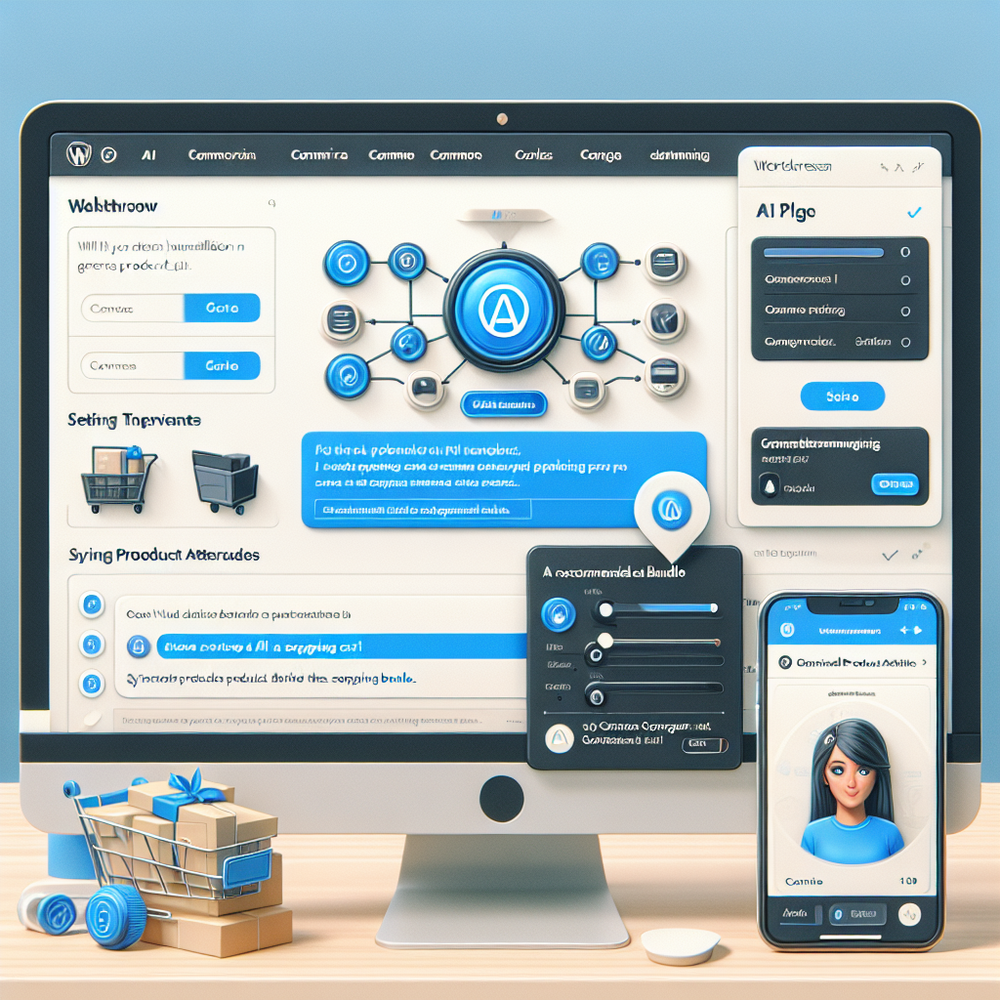
Step 2 — Install and sync: Add the Brambles.ai WordPress plugin, paste your API key, and connect the Commerce Module to your catalog. Map product attributes you’ll need for reasoning (e.g., arch support, skin undertone, compatibility). Most teams finish this in under two hours.
Step 3 — Ground the agent: Point the knowledge base at your PDPs, size guides, warranty page, and return policy. Set hard guardrails (no medical claims, price promises, discount rules). Define the cart actions the agent can take: add single SKU, assemble a bundle, or start a subscription trial.
Step 4 — Place it where it decides: Turn the assistant on for search zero‑results and PDPs with >60% bounce. Add a small inline “Need help deciding?” widget near Add to Cart. For publishers, embed the monetization widget on the season’s top buying guide to test affiliate cart assembly.
Step 5 — QA and launch: Run 25 scripted scenarios from your intent list. Check bundle logic, pricing, variant selection, and error handoffs to support. Launch behind a 25% traffic flag for one week, then roll to 100% if KPIs clear your bar.
Measuring ROI & KPIs (What to Watch in Week One)
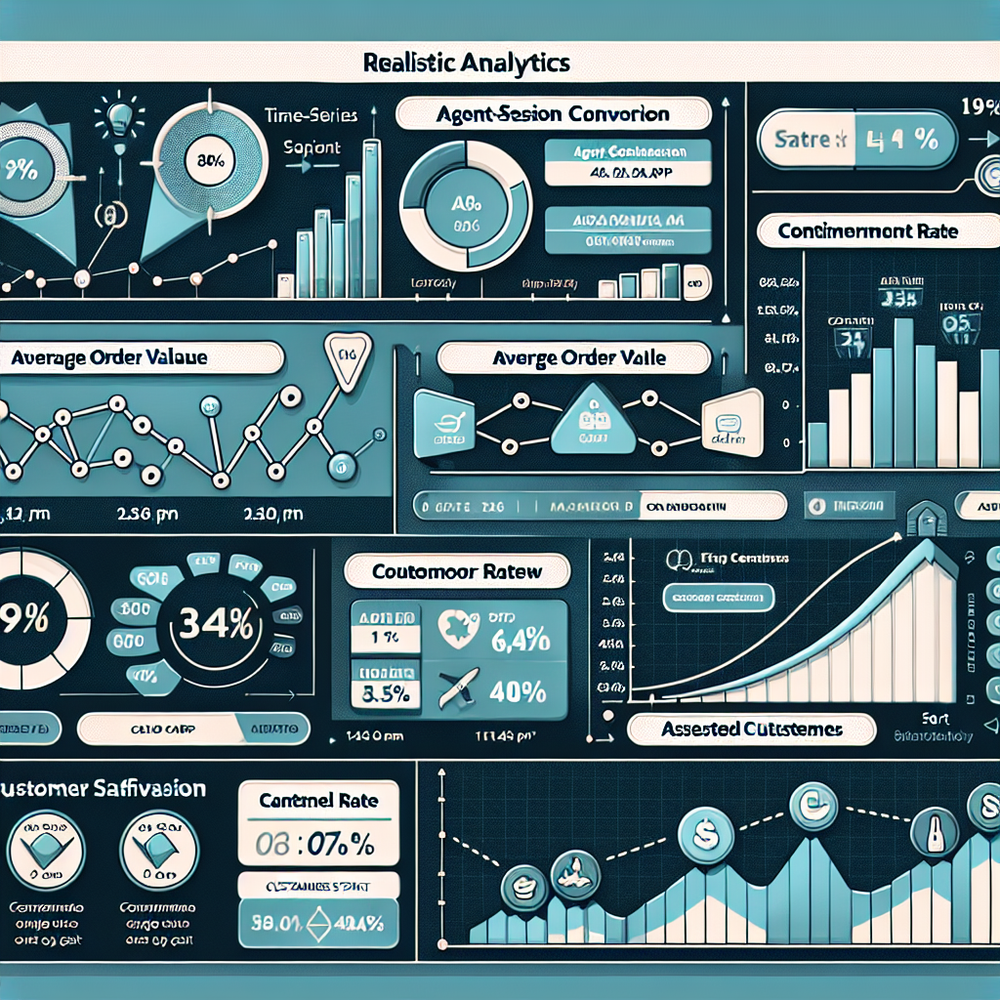
Agentic commerce should pay for itself quickly. Your week‑one scorecard: agent-sourced conversion rate, AOV delta, add‑to‑cart rate on assisted sessions, time to first response, and containment (percent resolved with no human).
Targets we’ve used: 8–15% agent-session conversion for DTC, +5–10% AOV on assisted orders, and >60% containment for narrow use cases. McKinsey reports personalization drives 10–15% revenue lift; agentic bundling is a fast track to similar gains when grounded in first‑party data. Salesforce’s Connected Customer research shows most shoppers expect proactive help when it reduces effort—your CSAT should reflect that.
Anecdote: After enabling assistant responses on zero‑result searches, a home fitness shop cut site exits on search by 23% and lifted search‑session revenue 28% in 10 days. Another team added an “Explain the difference” button on two look‑alikes; refunds on mistaken variants dropped 19% month‑over‑month.
First‑Party Data, Consent, and Trust Signals
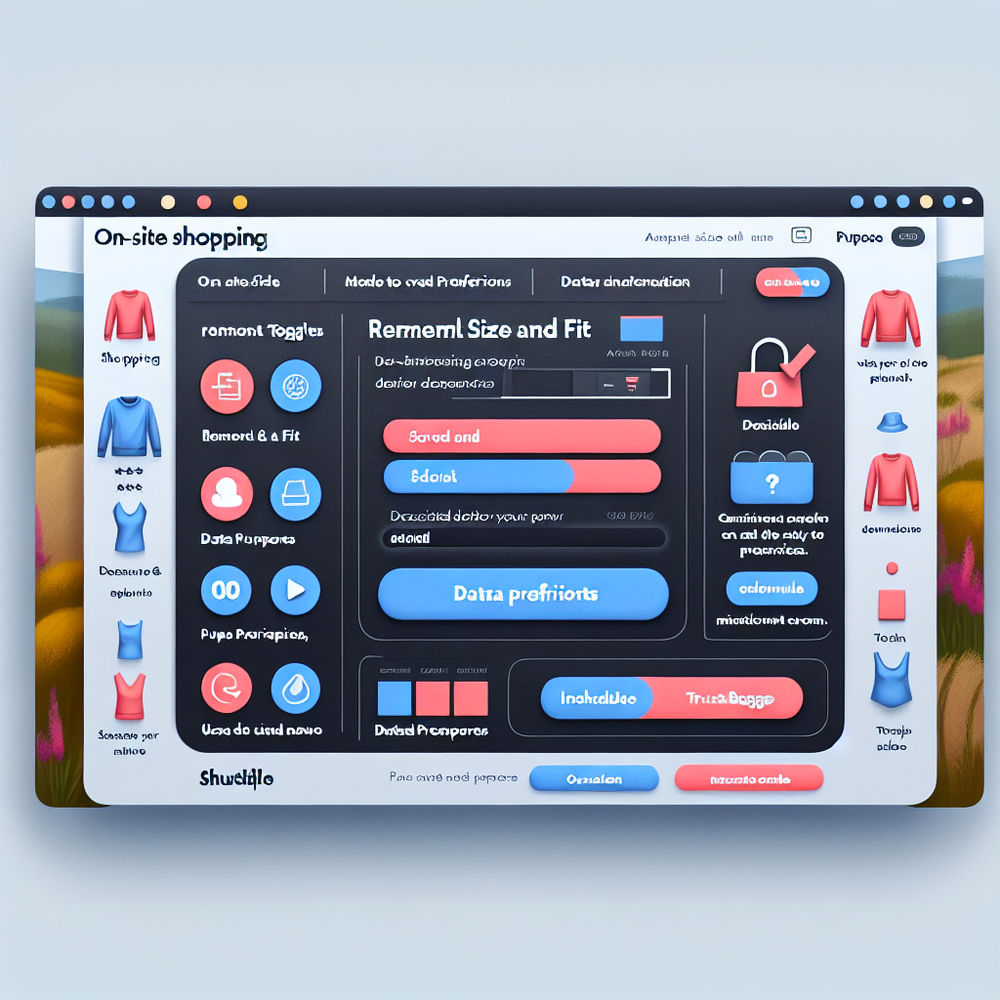
Agents work best when they remember preferences—within consent. Keep it simple: ask for what you need (size, skin type, device model), explain why, and let users edit or delete later. That transparency builds usage and conversions.
Google UX research consistently shows users reward helpfulness when privacy is explicit and controllable. We’ve seen opt‑in rates jump from 38% to 56% after adding one sentence of purpose (“We use your size to pre‑check stock and fit”). Brambles.ai’s policy and consent controls let you set retention, export, and suppression without writing custom middleware.
If you operate on publisher pages, disclose the affiliate relationship and how recommendations are formed. The publisher monetization flow in Brambles.ai respects partner attribution while still grounding answers in your latest pricing and availability.
Common Pitfalls + Lean Team Checklist
Pitfall 1: Going too broad. Narrow the agent to one or two money‑making intents before you chase long‑tail FAQs. Pitfall 2: No guardrails. Hard‑code claims and pricing rules. Pitfall 3: Hiding the assistant. Place it on PDPs, search, and high‑traffic guides where decisions happen. Pitfall 4: Measuring the wrong thing. Track agent‑sourced revenue and AOV, not just chat starts.
Lean team checklist you can copy today:
- Define 1–2 intents and 5 sample user phrases each.
- Connect catalog via the Commerce Module; map 5 must‑have attributes.
- Ground the agent in PDPs, size guides, returns.
- Enable chat‑to‑cart and bundle assembly.
- Turn on for zero‑result search and top 5 PDPs by bounce.
- Review 25 QA scripts; set containment and escalation rules.
- Ship to 25% traffic; expand if conversion and AOV rise.
- Book 30 minutes weekly to tune intents and synonyms.
Where Brambles.ai fits: it packages the assistant, guardrails, catalog grounding, chat‑to‑cart actions, and partner monetization into workflows you can toggle on without custom engineering. Start with the WordPress plugin, scale into APIs later as you grow.
FAQ
Do I need developers to launch?
Not to start. Most teams install the WordPress plugin, sync the Commerce Module, and configure guardrails in admin. You’ll want light engineering later for deeper integrations, but it’s optional on day one.
What if my catalog is complex?
Map only attributes needed for your first use case. You can add more later. We’ve launched with 5–8 critical fields (fit, material, compatibility) and expanded once KPIs cleared.
How fast should I see results?
If you place the assistant on high‑intent surfaces, you’ll typically see conversion and AOV movement within the first week of live traffic. Tune intents weekly for compounding gains.
Can I use this on publisher sites too?
Yes. Use the publisher monetization flow to assemble affiliate carts and attribute revenue correctly, while still grounding answers in your latest catalog and stock.
Related resources on Brambles.ai
If you are implementing this, start with Brambles.ai, for publishers, for brands, get started.
For deeper reading, see 10 Reasons Publishers Need Conversational Commerce, Affiliate Disclosure in Conversational UIs Done Right, From Search Boxes to Conversations: Modern Shopping UX, Contextual, Not Creepy: Monetization That Wins.
Related posts
View all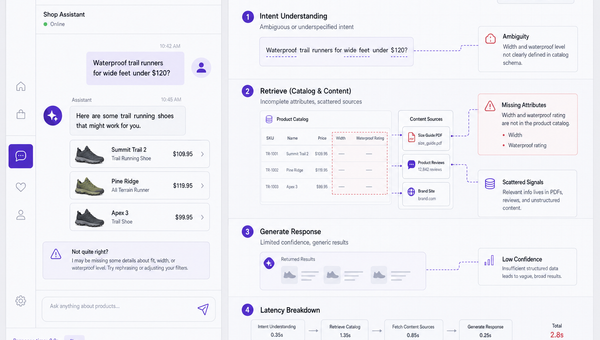
Why Good AI Shopping Agents Are Hard—and How Brambles Helps
Most AI shopping bots fail on data quality, UX, and trust. See why agents break in the wild and how Brambles.ai fills the gaps with measurable features.
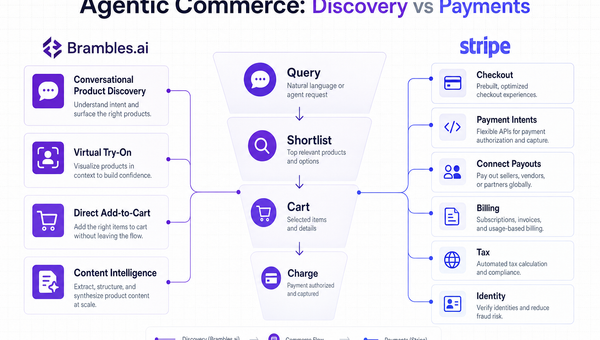
Stripe Agentic Commerce vs Brambles.ai: When to Use Each
Confused between Stripe’s agentic stack and Brambles.ai’s conversational shopping? See real trade‑offs, use cases, ROI, and an implementation path for each.
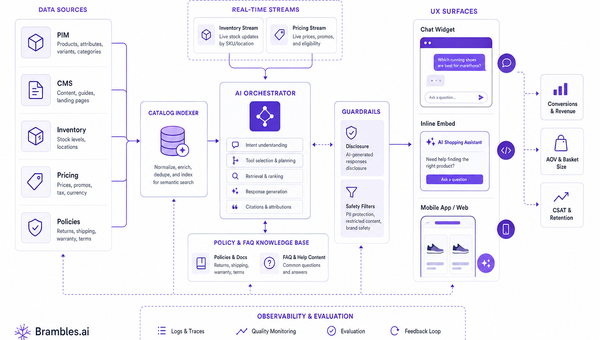
What to Fix Before AI Shopping Agents | Brambles.ai
Fix data, ops, and trust gaps before AI shopping agents. A field-tested Brambles.ai rollout guide with checklists, KPIs, and step-by-step tips. Proven wins.
Explore Brambles.ai
Learn more about our AI-powered agentic commerce platform, agentic shopping, and shopping assistance solutions.
Explore More Insights
Discover more articles on AI, automation, and business innovation
View All Articles