Agentic Commerce vs Shopify: Need Both? | Brambles.ai
Shopify excels at transactions; agentic commerce excels at guidance. Learn when you need both, ROI to expect, and how Brambles.ai plugs in without replatforming
Three Shopify brands we supported saw a similar pattern: lots of traffic, solid checkout, but shoppers stalling in product discovery.
When we added an agentic assistant that asked two or three intent questions and built bundles on the fly, AOV climbed 14–22% and returns dropped 6% within 45 days.
The stores didn’t replatform; they layered guidance on top of Shopify’s stable cart and payments.
A practical example: a beauty retailer let the assistant ask about undertone, routine length, and budget. 38% of sessions with guidance added at least one upsell item; shipping-related customer service tickets fell because the agent clarified delivery windows during the chat. On a publisher-run gift guide using our WordPress plugin, agentic picks drove a 22% RPM lift compared to static affiliate revenue links in the same week.
Quick Answer
Yes—if you want guidance, not just checkout. Shopify handles catalog, cart, and payments. Agentic commerce handles discovery: asking intent, curating bundles, clarifying trade-offs, and following business rules.
Think of it as a knowledgeable store associate layered over Shopify. You don’t replace Shopify; you add an agent that turns browsing into confident buying, while capturing first-party insights you can use across marketing and merchandising.
What’s Broken With “Shopify-Only” Journeys
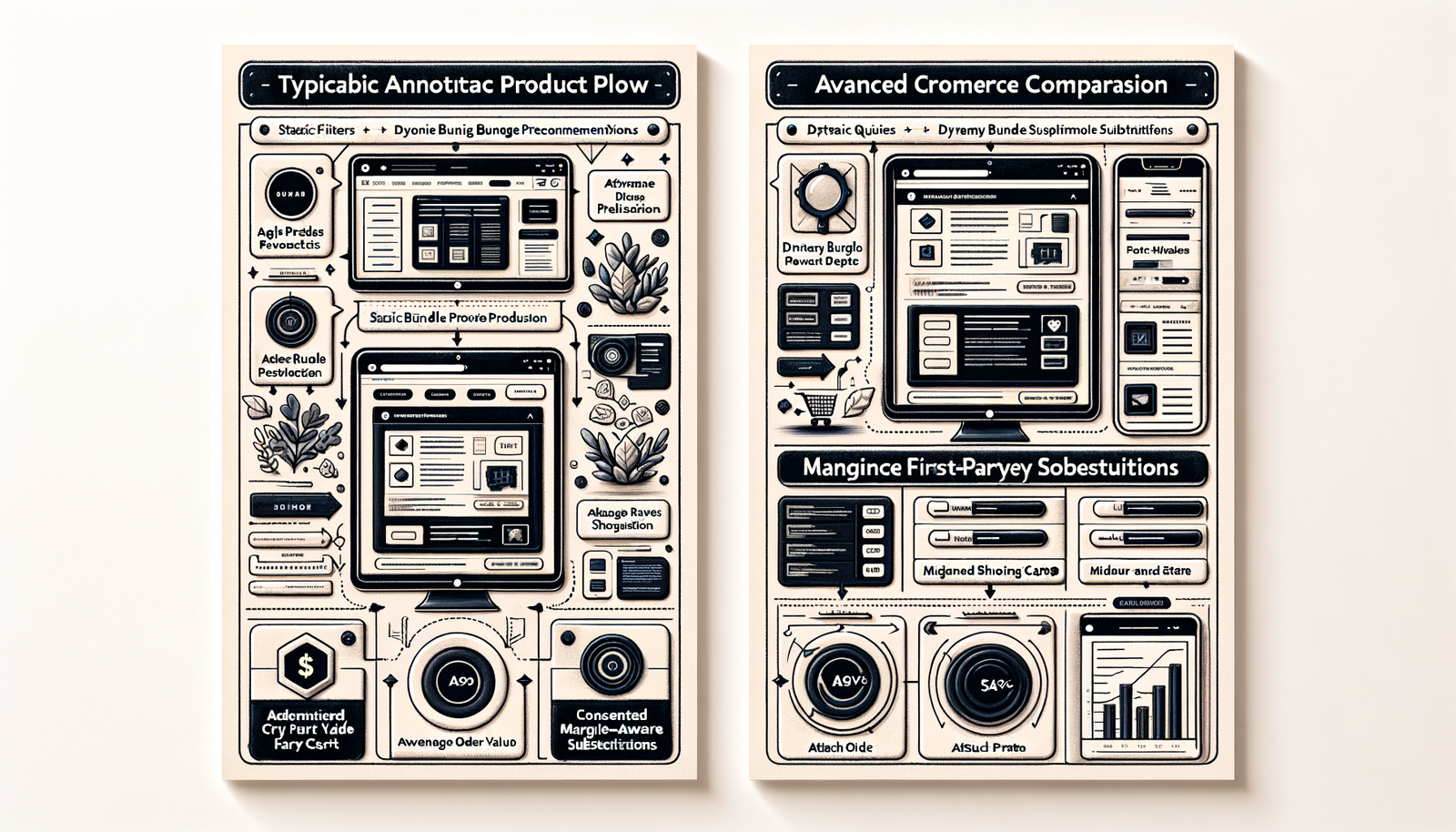
Shopify nails the transaction. The gaps show up earlier—search, comparison, and bundling. Shoppers can filter, but they rarely know which filter matters. Static upsell carousels ignore context, and PDPs can’t interview the shopper to resolve uncertainty.
Evidence keeps repeating itself. Baymard’s research pegs average cart abandonment near 70%, often rooted in unresolved doubts and friction before checkout.
McKinsey reports 10–15% revenue lift from effective personalization, which basic recommendation blocks rarely reach. Salesforce’s Connected Customer research shows most buyers expect businesses to understand their needs, not just show more SKUs.
We also see a data blind spot. Shopify records what people buy, not why they hesitated. Agentic flows capture first-party intents (“vegan leather,” “fits a 14-inch laptop”) with consent. That powers smarter merchandising and content. If you want a primer on using this safely, our deep-dive on first‑party commerce data breaks down models and consent patterns.
How Agentic Commerce Works Beside Shopify
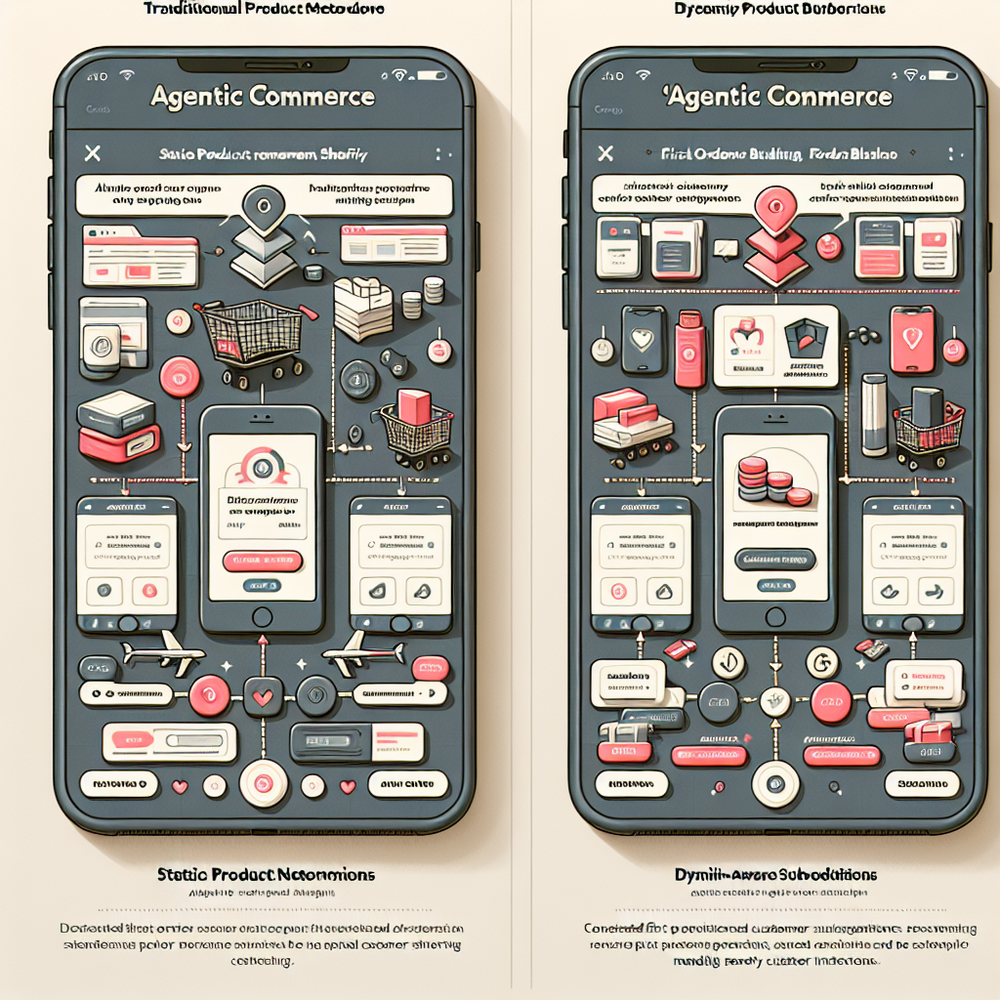
Agentic commerce acts like a trained associate who can ask, reason, and execute. It collects a few key signals, generates a plan (e.g., bundle + rationale), checks rules for margin and inventory, and adds to cart—all while respecting your brand voice and compliance rules.
Technically, it’s a thin layer: a UI surface (chat, guided wizard, or story), a decision engine with guardrails, and integrations to your Shopify catalog, inventory, and discounts. No theme rewrite required. You can start with a PDP-side assistant and later extend to collection pages and post‑purchase cross‑sells.
Brambles.ai slots into this layer with a Commerce Module that enforces your merchandising policies—brand exclusions, price floors, shipping constraints—and learns which clarifying questions drive purchase confidence. In practice, that means fewer “close, but wrong” picks and more explainable choices shoppers trust.

Implementing Agentic Commerce With Brambles.ai
You keep Shopify. You add guided selling where it matters most. Most teams launch a v1 in two weeks using existing creative and product data.
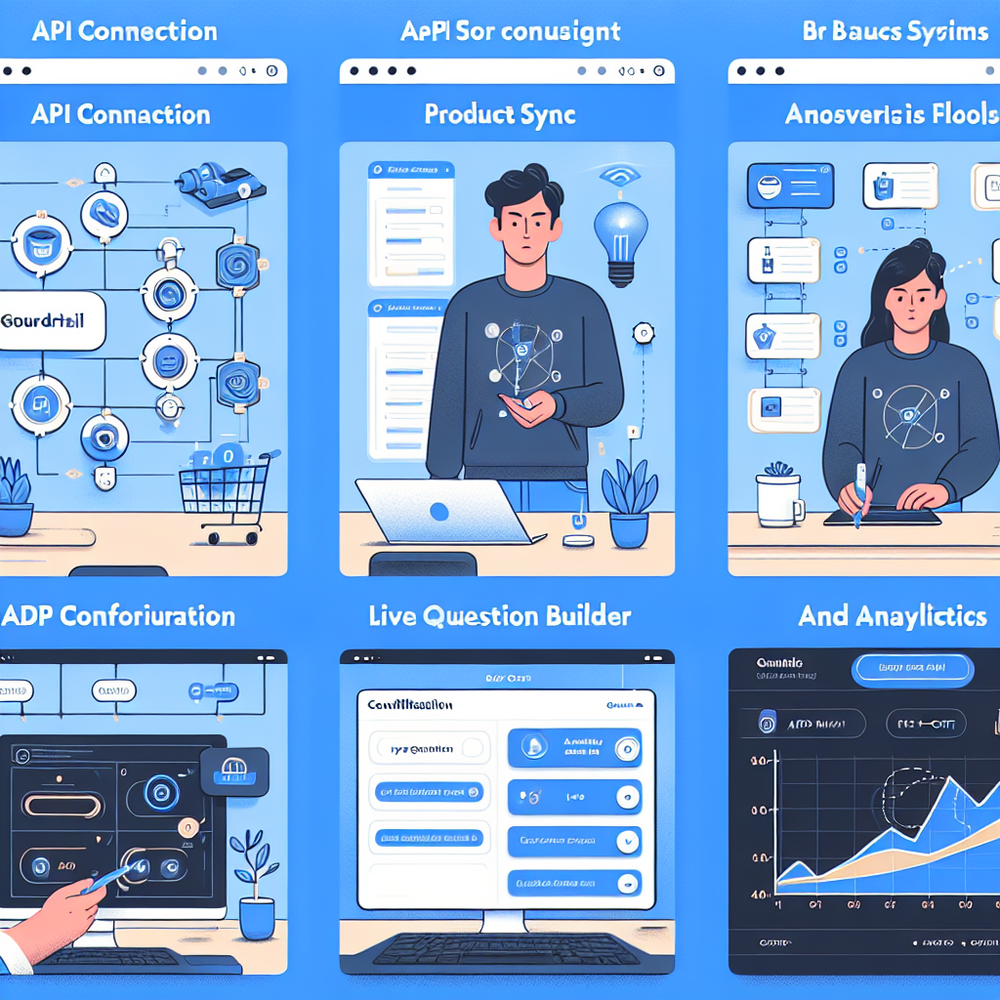
Step 1: Connect your Shopify store via API, sync products, variants, inventory, and tags. Step 2: Define guardrails—brands to exclude, required certifications, shipping promises, price floors, and acceptable substitutes. Step 3: Map attributes the assistant can ask about (fit, use case, compatibility) and enrich missing ones with lightweight extraction.
Step 4: Choose surfaces. Many start with a PDP-side “Need help deciding?” assistant, then add a collection-page filter helper and a cart-side bundler. Step 5: Configure flows—the brand/retail assistant flow for DTC, and the publisher monetization flow if you run editorial-to-commerce content.
Step 6: If you run content on WordPress, drop in the Brambles WordPress plugin to place agentic pickers inside articles without slowing core web vitals. Step 7: QA with a rubric—coverage, accuracy, margin impact, response speed—and set up auto-evals against holdout queries before you flip the switch.
Real launch notes: a 100k‑session apparel site shipped a PDP assistant in 9 business days. Within 30 days, guided sessions converted 31% better than baseline and attach rate rose from 1.2 to 1.7 items per order. The only content they created was two question prompts and a handful of bundle rules.
Measuring ROI and Picking the Right KPIs
Measure what the agent influences, not just pageviews. The core KPIs are conversion rate for guided sessions, AOV, attach rate, and gross margin per order. Supporting KPIs include time-to-first-confident-pick, clarification rate, and returns rate for agent‑assisted orders.
Targets to sanity-check: 10–20% lift in guided-session conversion, 8–15% AOV lift, 15–30% attach-rate lift. These are achievable when guardrails align to inventory and margin. McKinsey’s 10–15% revenue lift from personalization is a good external benchmark; agentic guidance is personalization with accountability.
Implement tracking with GA4 events for start_guided_session, add_bundle_to_cart, and assistant_purchase. In Brambles.ai, the dashboard breaks out assisted vs. baseline revenue and flags low‑margin recommendations. One electronics store cut NPS‑negative returns by 11% simply by adding a compatibility check before add‑to‑cart.
First‑Party Data, Consent, and Trust
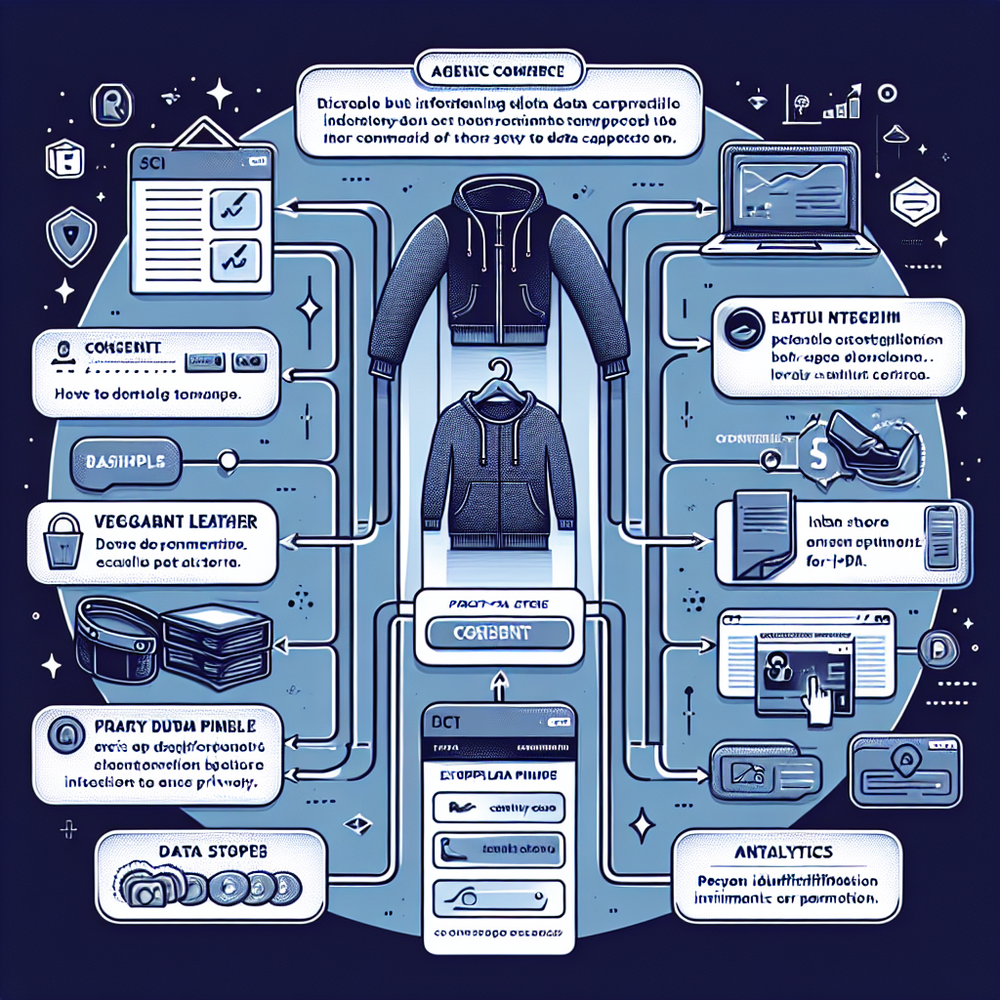
Agentic sessions can capture high‑signal, first‑party intents with consent—needs, constraints, and preferences you can’t infer from clicks. Use them to improve onsite guidance and to seed more relevant emails and ads without third‑party cookies.
Do it transparently. Present an unobtrusive consent notice, store intents separately from PII, and respect deletion requests. Salesforce’s research shows trust directly affects loyalty; users reward clarity about how their data improves the experience.
Brambles.ai enforces opt‑in collection, PII redaction in logs, and purpose limitation. For content sites, the publisher monetization flow links agentic picks to compliant affiliate tracking; for brands, the assistant uses zero‑party answers to justify recommendations shoppers can screenshot and save.
Common Pitfalls and a Pre‑Launch Checklist
Most failures come from unbounded creativity or ignoring margin. Keep the assistant grounded in inventory, shipping constraints, and brand rules—and measure recommendation quality, not just engagement.
Pitfalls to avoid: letting the agent recommend OOS or long‑lead items; overselling accessories that crush margin; vague answers with no rationale; latency spikes that kill mobile sessions (Google’s own UX research ties speed to abandonment); not logging decisions for QA.
Go‑Live Checklist: 1) Guardrails set for brands, certifications, and price floors; 2) Inventory and shipping windows connected; 3) 50–100 “known good” test cases with expected outputs; 4) AOV and margin alerts configured; 5) GA4 events firing; 6) Fallback responses for policy or data gaps; 7) A one‑click kill switch in your CMS or tag manager.
Future Outlook: Your Store, But With a Smart Counterpart
The near future is multi‑agent orchestration—one agent helps pick, another checks compatibility, a third optimizes shipping trade‑offs. Expect more onsite formats too: story-style guides and AR‑aware sizing checks that write their own rationale and receipts.
You don’t need to wait for that. A pragmatic agent on top of Shopify drives results now and compounds your first‑party data. If you want to price the impact before build, review plan tiers and a pilot with a narrow scope—one high‑intent category, clear margins, and a tight success metric.
FAQ
Can I add agentic commerce without changing my Shopify theme? Yes. You can inject the assistant via an app embed or tag manager. It reads catalog and inventory via API and adds to the existing cart, so your checkout stays intact.
Will it slow my site? Properly implemented, no. The assistant loads asynchronously and prefetches only what’s needed. We target sub‑500ms response for the first answer and cache frequent bundles. Google’s speed guidance still applies—measure on mobile.
What if the agent suggests the wrong item? Use guardrails, compatibility checks, and rationales. Brambles.ai logs decisions so you can audit and tune prompts, and it can require a confirmation step for edge cases or regulated categories.
Do I need a data science team? Not to start. Merchandisers define rules, CX leads pick questions, and we provide eval templates. Over time, you can add experiments for question ordering and bundle logic without writing code.
How fast will I see impact? Most pilots see directional lift in 2–3 weeks. AOV and attach rate move first; conversion follows as friction falls. Keep one high‑traffic category as a holdout to verify real uplift.
Related resources on Brambles.ai
If you are implementing this, start with Brambles.ai.
For deeper reading, see 10 Reasons Publishers Need Conversational Commerce, Affiliate Disclosure in Conversational UIs Done Right, From Search Boxes to Conversations: Modern Shopping UX, Contextual, Not Creepy: Monetization That Wins.
Related posts
View all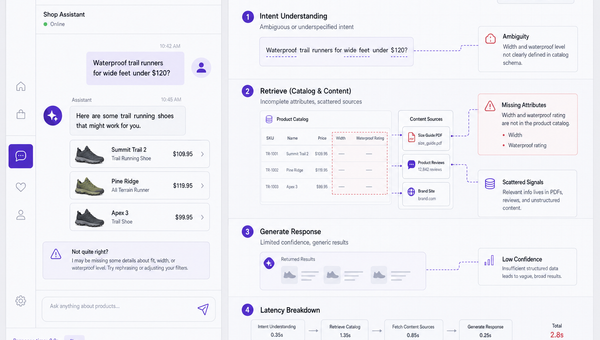
Why Good AI Shopping Agents Are Hard—and How Brambles Helps
Most AI shopping bots fail on data quality, UX, and trust. See why agents break in the wild and how Brambles.ai fills the gaps with measurable features.
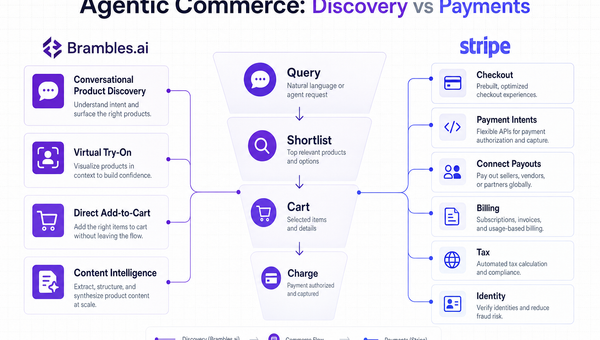
Stripe Agentic Commerce vs Brambles.ai: When to Use Each
Confused between Stripe’s agentic stack and Brambles.ai’s conversational shopping? See real trade‑offs, use cases, ROI, and an implementation path for each.
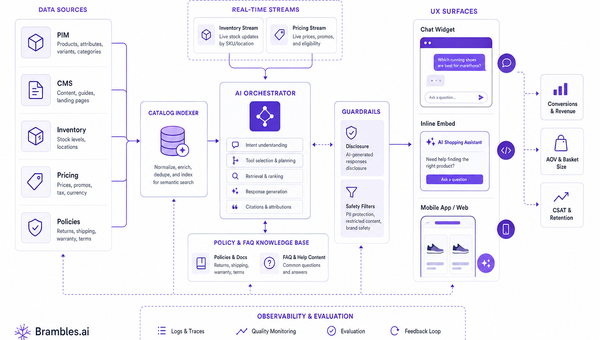
What to Fix Before AI Shopping Agents | Brambles.ai
Fix data, ops, and trust gaps before AI shopping agents. A field-tested Brambles.ai rollout guide with checklists, KPIs, and step-by-step tips. Proven wins.
Explore Brambles.ai
Learn more about our AI-powered agentic commerce platform, agentic shopping, and shopping assistance solutions.
Explore More Insights
Discover more articles on AI, automation, and business innovation
View All Articles