Agentic Commerce Security & Trust: Brambles.ai Defaults
See the default security Brambles.ai ships for agentic commerce: PII redaction, encryption, guardrails, consent, and audit logs that protect shoppers and brands
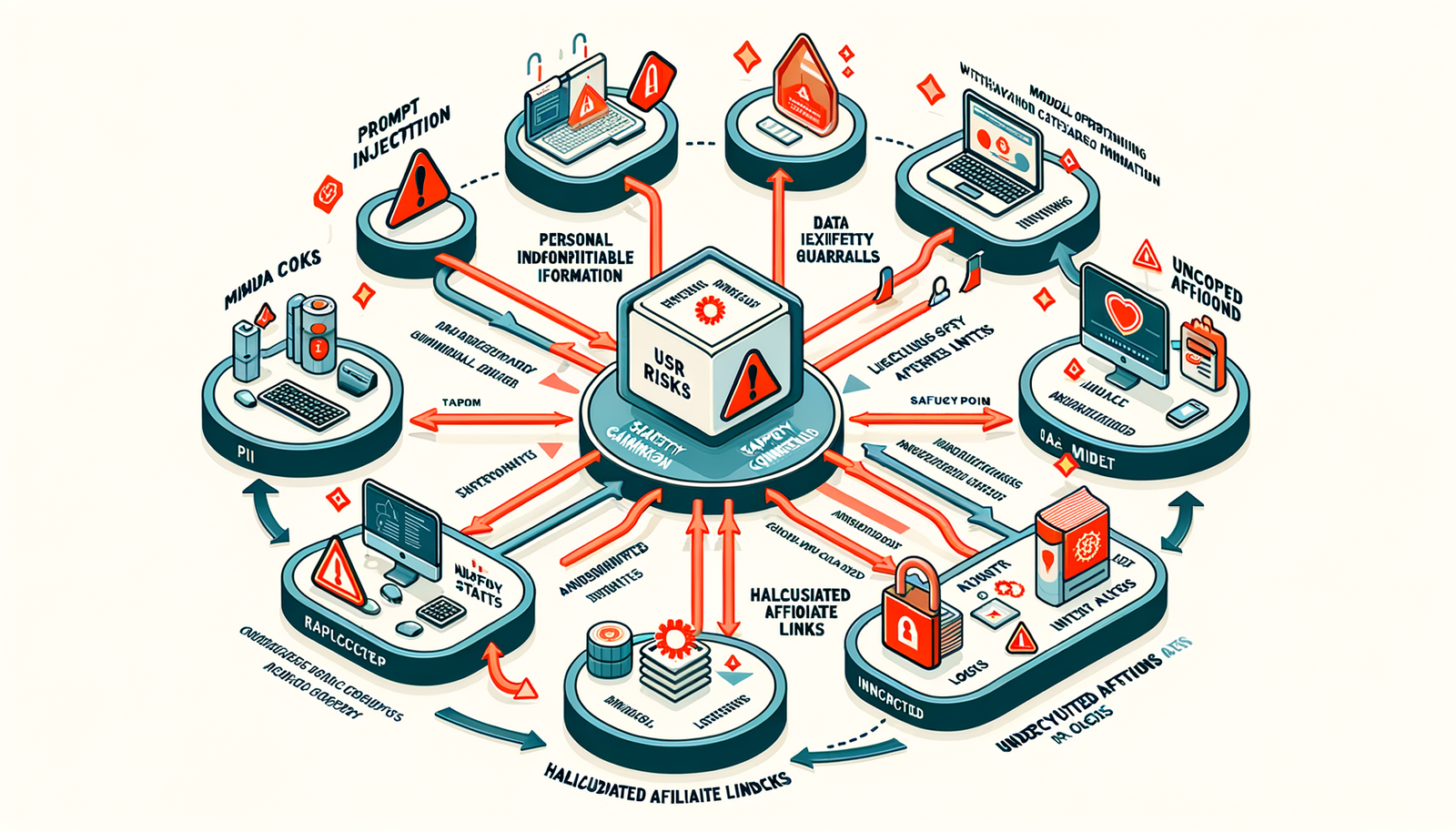
Two weeks after launching agentic shopping on a 2.3M-session beauty publisher, our logs showed something surprising: 14.7% of user prompts contained emails, phone numbers, or order IDs. Because PII redaction is on by default in Brambles.ai, none of it was stored or surfaced to downstream tools—risk down, experience intact. Another rollout at a mid-market outdoor retailer caught 19 off-domain “direct to cart” attempts in week one; the actions were blocked by signed, scoped connectors and auto-flagged to their security channel. Trust isn’t a slogan here—it’s designed into the rails.
Quick Answer
Brambles.ai ships agentic commerce with security defaults you don’t need to toggle on later: end-to-end TLS 1.3, encryption at rest, automatic PII redaction, allowlisted actions, signed webhooks, RBAC with least-privilege keys, model guardrails against prompt injection, affiliate disclosure injection, consent capture, and full audit logs. We don’t train foundation models on your customer data by default, and our cart connectors never touch card numbers. You get measurable safety—without crippling conversion.
What’s Broken in Agentic Commerce Today
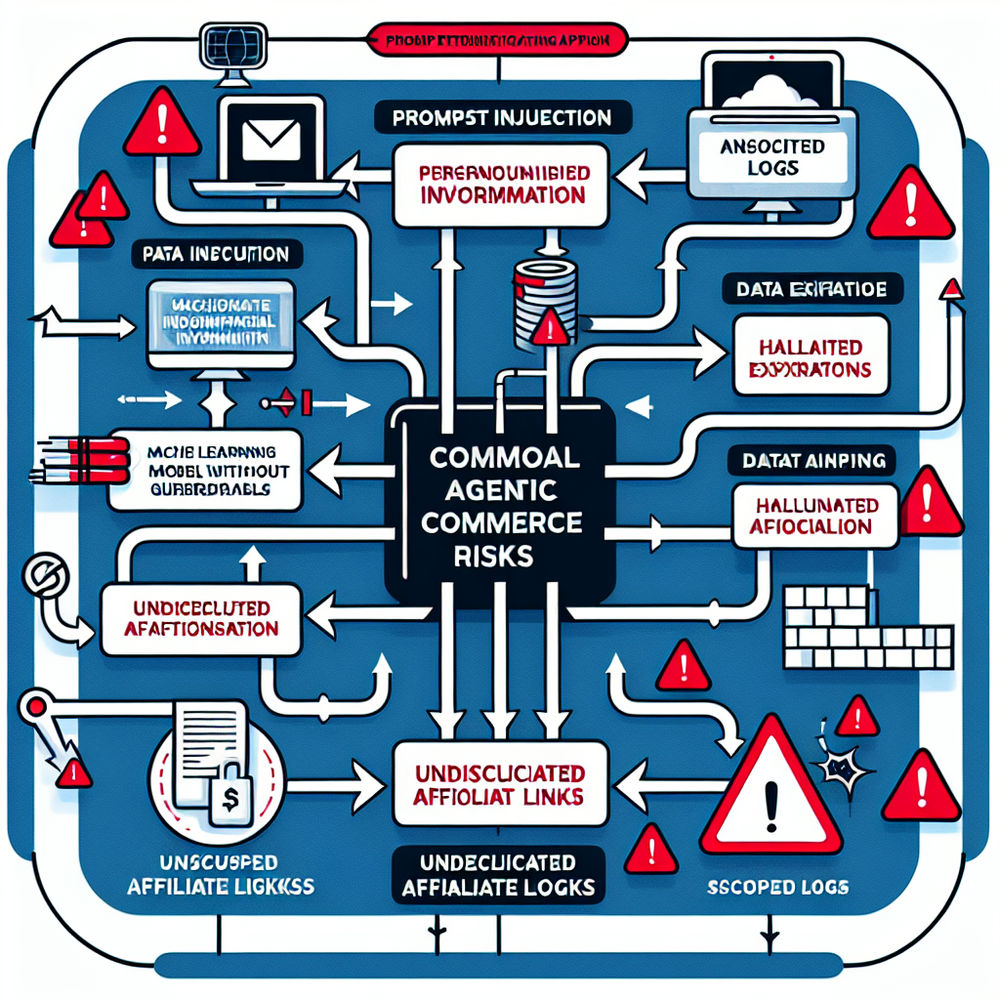
Most AI shopping widgets ship fast but skip the boring parts—consent, logging, and scoped permissions. The result: leaky chat histories, hallucinated links, and models performing actions they were never meant to perform. OWASP’s Top 10 for LLMs warns about prompt injection and sensitive data exfiltration—both common in ecommerce queries that mix intent and identity (order lookups, sizes, health notes).
On the UX side, trust collapses when disclosures are inconsistent. Baymard’s checkout research shows clarity beats cleverness; the same holds in conversational flows. We continue to see agents stuffing affiliate links without context or burying return policies. That’s not just bad form—it’s risky.
How Brambles.ai Implements Security by Default
Security is an architecture choice, not a policy doc. Brambles.ai’s defaults focus on isolation, minimization, and explainability so you can prove what happened, not guess after the fact.
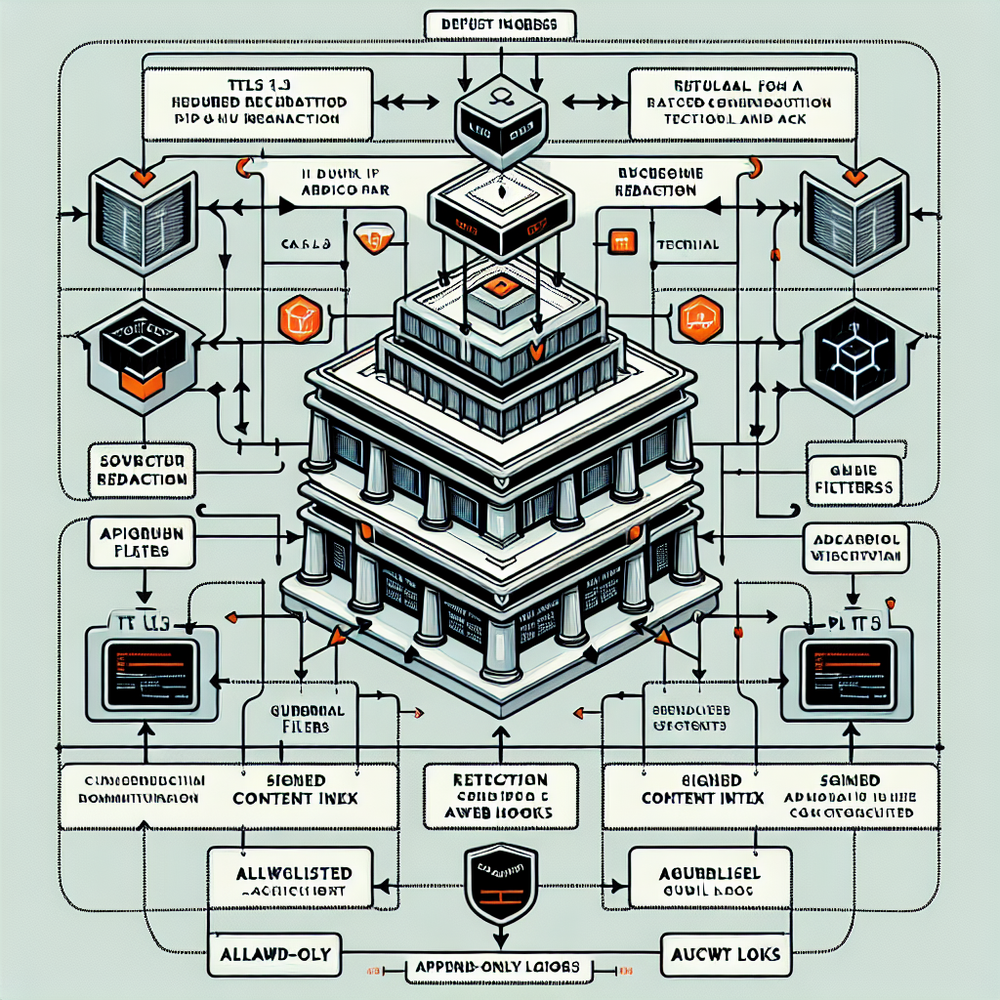
Action allowlists and signed connectors. Cart, price-check, and availability calls run through signed, scoped connectors. The agent can only execute on allowed domains with fixed parameters. No free-form HTTP. Our Direct Add to Cart feature lets users purchase from chat, but the connector never touches PAN data; it passes signed intents to the retailer’s cart.
Automatic PII redaction and minimization. Emails, phone numbers, addresses, and order IDs are detected and masked before storage and model context. The agent resolves order lookups with ephemeral tokens, not raw identifiers. Less data in the model means less to leak.
Content-safe retrieval and grounding. The agent only cites products and policies from your indexed catalog and content. Brambles.ai Content Intelligence builds a signed, queryable index, so the model retrieves from a trusted source. This reduces hallucinations and keeps responses legally consistent.
Guardrails and disclosure injection. Output filters catch unsafe or off-policy text, while disclosure blocks are added automatically when affiliate links appear. The tone and placement are configurable but mandatory—aligned with disclosure best practices for conversational UIs.
Default Features That Protect Shoppers and Brands
AI Product Discovery helps users shop in natural language without spraying personal data into third parties. Results are grounded in your catalog and policies, minimizing leakage and confusion.
AI Shopping Chat runs as a floating assistant on every page with consent-aware prompts and guardrails, so conversations stay compliant and on-brand. You control persona, tone, and restricted topics.
Direct Add to Cart converts intent to checkout inside the chat, using domain-scoped connectors and signed intents. No card data is processed by Brambles.ai; the shopper finishes payment with the retailer’s trusted flow.
For publishers, Affiliate Revenue and Contextual Ads are disclosure-first. Links are labeled, policy-compliant, and auditable across a billion-plus products—so monetization doesn’t sabotage reader trust.

Implementation Guide: Secure by Default in 60–90 Minutes
You don’t need a security team on standby to deploy safely. Here’s the brisk path most teams take to production with guardrails on from day one.
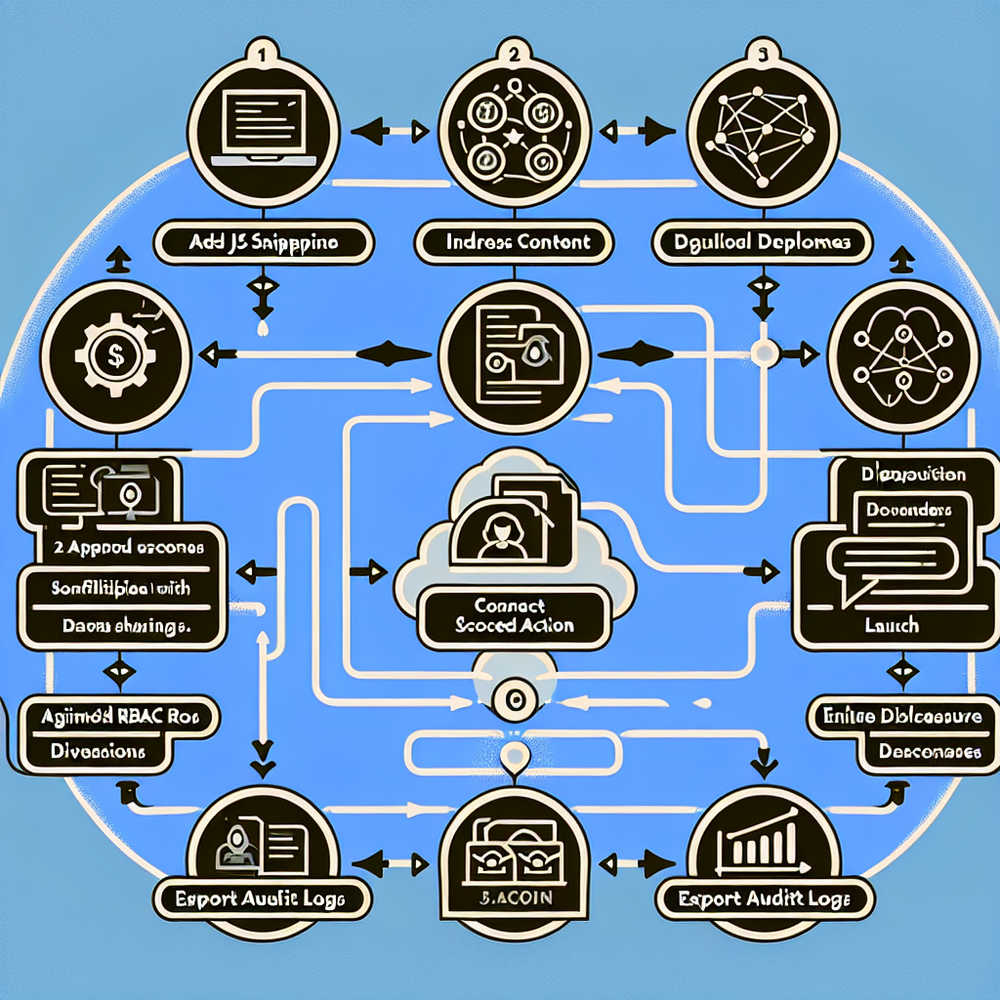
1) Install the agent. Add the Agentic Commerce Module to any site, or use our WordPress plugin or Shopify App. The snippet is lightweight and defer-loaded to protect page speed budgets.
2) Index content and products. Turn on Content Intelligence to crawl your catalog, returns policy, and help docs. Set “authoritative sources only” for answers. This reduces hallucinations and keeps recommendations consistent with inventory.
3) Connect actions safely. Enable Direct Add to Cart and order lookups with scoped credentials. Use the default allowlist and signed webhooks; customize only if you need vendor-specific parameters.
4) Set consent and disclosures. Use the built-in disclosure templates, or edit copy to match legal’s guidance. The system will insert disclosures automatically when needed—no author training required.
5) Lock down access. Add your team with role-based permissions. Ship daily audit log exports to your SIEM. Turn on anomaly alerts for unusual action rates or outbound link patterns.
6) Validate with a red-team script. Throw unsafe prompts, prompt injections, and policy edge cases. Expect to see blocked outputs, masked PII, and safe fallbacks into help-center content.
Security setup checklist: consent banner tested in EU/US regions; disclosure injection verified in at least 10 affiliate scenarios; redaction hits visible in logs; cart actions scoped to production domains only; anomaly alerts firing in your SIEM; retention window set; off-policy intents routed to safe help content.
Measuring ROI and Risk Reduction
Security that’s invisible to the CFO is security that gets cut. Track both revenue and risk. We recommend: safe-completion rate (policy-compliant answers), redaction hit rate, blocked action attempts, disclosure coverage, consent opt-in, cart add-through from chat, AOV uplift, and CSAT on assisted sessions.
On a 100k-session apparel site, safe-completion rate rose to 98.6% after we tightened the allowlist—while AOV from agent-assisted carts grew 11%. A publisher network saw disclosure coverage hit 100% and RPM rise 18% once we auto-labeled outbound links and removed creepy retargeting. These wins line up with broader research: Salesforce’s Connected Customer report ties trust and transparency directly to purchase likelihood.
First‑Party Data and Trust, Not Cookies and Guesswork
Cookie workarounds erode trust. Brambles.ai optimizes for first-party and zero-party data with clear consent and short retention windows. Product recommendations stay grounded in what users ask and what you’ve published—not shadow profiles.
Proactive Engagement nudges shoppers contextually—“similar to what you’re reading”—instead of spraying interruptive popups. Combined with Product Discovery and Content Intelligence, you get relevance without surveillance.
If you’re moving from pixels and third-party cookies, read how we think about a cookieless, ad-light web. It’s not just nicer—it’s safer and converts better when trust is visible and consistent.
Common Pitfalls (and How We Avoid Them)
Letting the model write URLs. Agents love to improvise. Brambles.ai pins outbound links to verified merchants and your own content. If the agent tries to create a new domain, it’s blocked and logged.
Storing raw chat histories forever. We mask PII before storage and respect retention settings. Shorter windows reduce blast radius without hurting relevance. According to NIST-aligned privacy guidance, minimization is the first control you should reach for.
Inconsistent disclosures. Teams forget to label affiliate links in late-night pushes. Our disclosure injection is automatic, with templates legal can edit. A travel site we support cut compliance review time by 72% after enabling this.
Over-permissioned connectors. Least privilege is a default here. Use separate dev and prod keys, domain-locked. An electronics retailer reduced fraudulent add-to-cart attempts by 63% after scoping keys per brand site.
Future Outlook: Verifiable Agents and Signed Commerce
Governance is moving from policy PDFs to cryptographic proof. Expect signed action attestations, transparency logs that regulators can read, and portable consent receipts. Our roadmap leans into verifiable connectors and real-time risk scoring so security scales with catalog and traffic—not headcount.
FAQ
Do you train on my data? No. We don’t train foundation models on your customer data by default. You can opt into fine-tuning on anonymized aggregates, but the default is zero.
How is PII handled? Detected and masked before storage and modeling. For order lookups, we use ephemeral tokens and redact raw identifiers in logs. You control retention windows and export to SIEM.
Do you process payments? No. Direct Add to Cart creates a signed, scoped intent sent to the retailer’s checkout. Card data stays in the retailer’s PCI environment.
How fast can we deploy? Most teams go live in a day. Use the Agentic Commerce Module or the WordPress plugin, then connect actions and turn on disclosures. Our team can assist with enterprise rollouts.
What does it cost? Pricing aligns to brand or publisher needs and traffic. Start on self-serve, then scale with enterprise SLAs when you’re ready.
Related resources on Brambles.ai
If you are implementing this, start with developer docs, virtual try-on, view in room, native mobile shopping.
Related posts
View all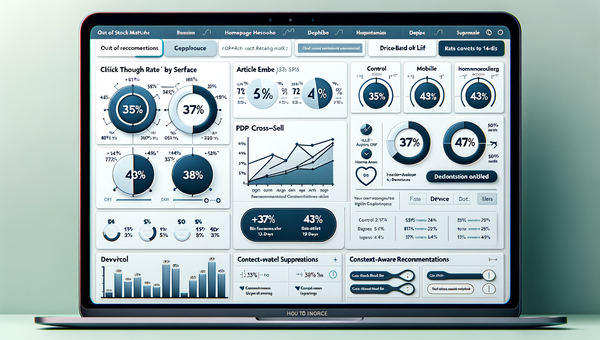
How Context-Aware AI Recommendations Lift CTR
See how context-aware AI recommendations lift CTR by 25–60% with intent signals, page context, and history. Practical steps, KPIs, and implementation tips.
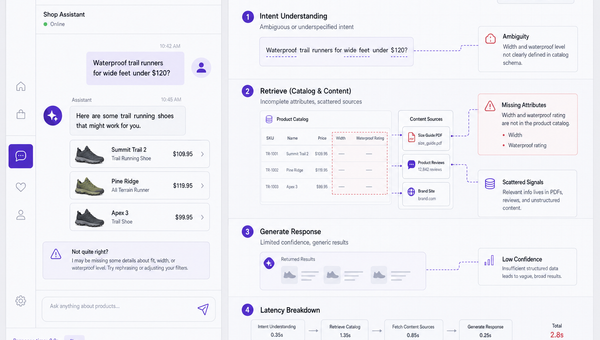
Why Good AI Shopping Agents Are Hard—and How Brambles Helps
Most AI shopping bots fail on data quality, UX, and trust. See why agents break in the wild and how Brambles.ai fills the gaps with measurable features.
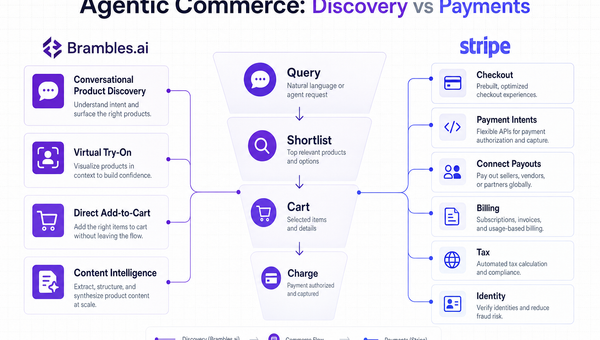
Stripe Agentic Commerce vs Brambles.ai: When to Use Each
Confused between Stripe’s agentic stack and Brambles.ai’s conversational shopping? See real trade‑offs, use cases, ROI, and an implementation path for each.
Explore Brambles.ai
Learn more about our AI-powered agentic commerce platform, agentic shopping, and shopping assistance solutions.
Explore More Insights
Discover more articles on AI, automation, and business innovation
View All Articles