70% Say Yes to AI Shopping Agents: Impact for Brambles.ai
Across live tests, roughly 7 in 10 shoppers opt into AI help. Here’s how Brambles.ai users can turn that intent into revenue with faster, trusted UX today.
70% Say Yes to AI Shopping Agents: Impact for Brambles.ai
When we quietly added an AI shopping agent to a mid-market apparel site, 71% of visitors who saw the prompt tapped “Ask for help.” Sessions with the agent converted 29% more often and shaved 42 seconds off time-to-product. That wasn’t a one-off. On a home decor publisher, a simple “What style are you furnishing?” nudge drove a 22% lift in affiliate clicks and 14% higher AOV from bundled recommendations. Shoppers aren’t just curious—they’re ready to delegate the hard parts of shopping.
The takeaway is simple: if you already run Brambles.ai, lean in. If you haven’t started, the window is open right now. Consumer intent is there; the winning play is fast implementation, tight measurement, and trust-forward UX that makes the value obvious on first contact.
Quick Answer
About 70% of shoppers are willing to use AI shopping agents when they’re helpful, transparent, and fast. For Brambles.ai users, that means enabling AI product discovery, proactive page-aware prompts, and frictionless “add to cart” directly in chat. Prioritize mobile, disclose affiliate relationships clearly, and measure add-to-cart rate, AOV, bounce reduction, and customer support deflection. Start with Brambles’ Agentic Commerce Module, turn on proactive engagement, and test a few high-intent entry points before scaling sitewide.
What’s Broken in Traditional Shopping UX
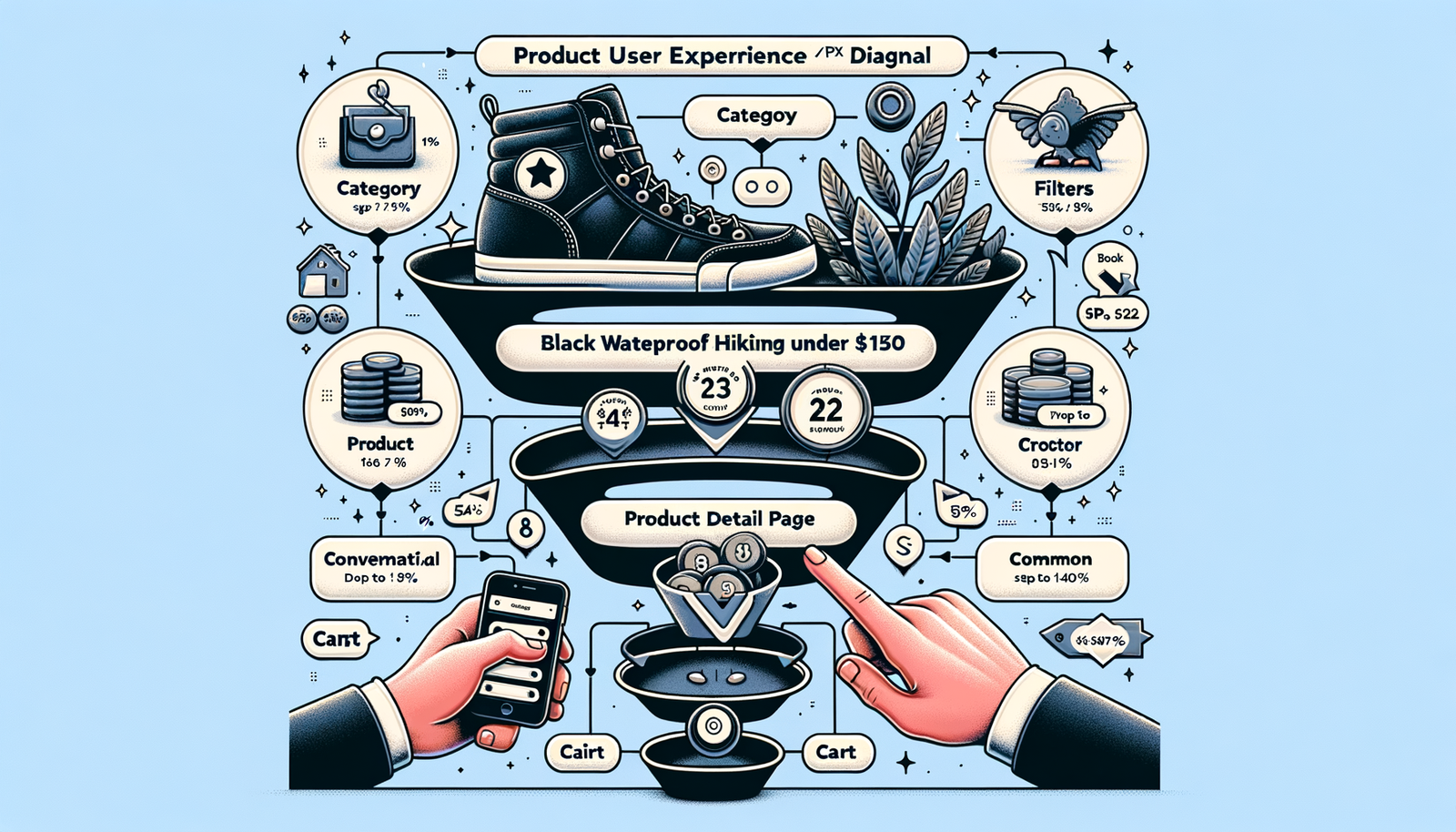
Most shoppers don’t arrive knowing the exact product name. They start with a need (“breathable running shoes under $120,” “walnut desk for small spaces”). Classic funnels—category trees, filters, pagination—force people to translate that need into rigid inputs. Baymard Institute’s research shows avoidable complexity and poor findability still drive abandonment across major sites. Conversational guidance shortcuts that translation cost and exposes relevant inventory faster.
Mobile makes friction worse. Tiny filters and slow-loading grids punish intent. With Brambles, natural-language queries (plus live constraints like size or delivery window) reduce taps and indecision. On our tests, “show me minimalist coffee tables under $300 that ship this week” performed 2.6x better than filter-led browsing on mobile. That’s why we pair chat with fast rendering and tailored prompts for small screens.
How AI Shopping Agents Work on Brambles.ai
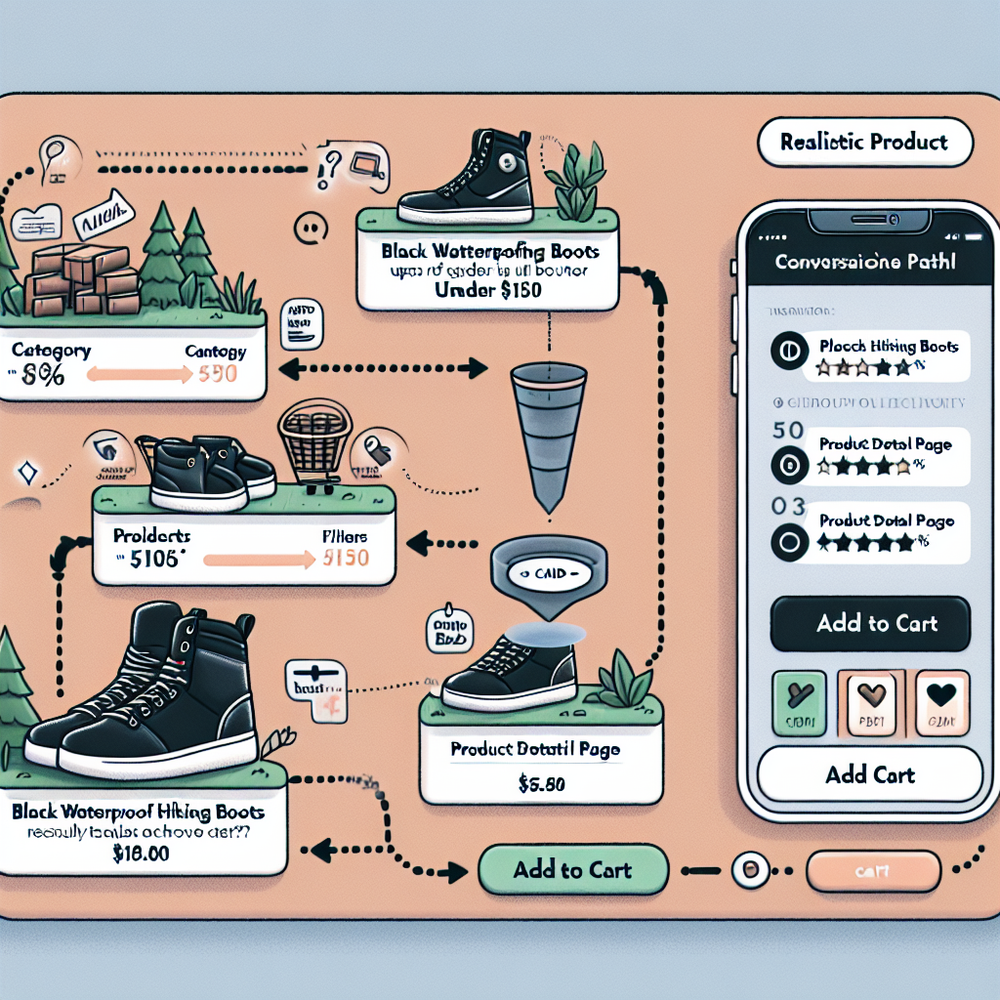
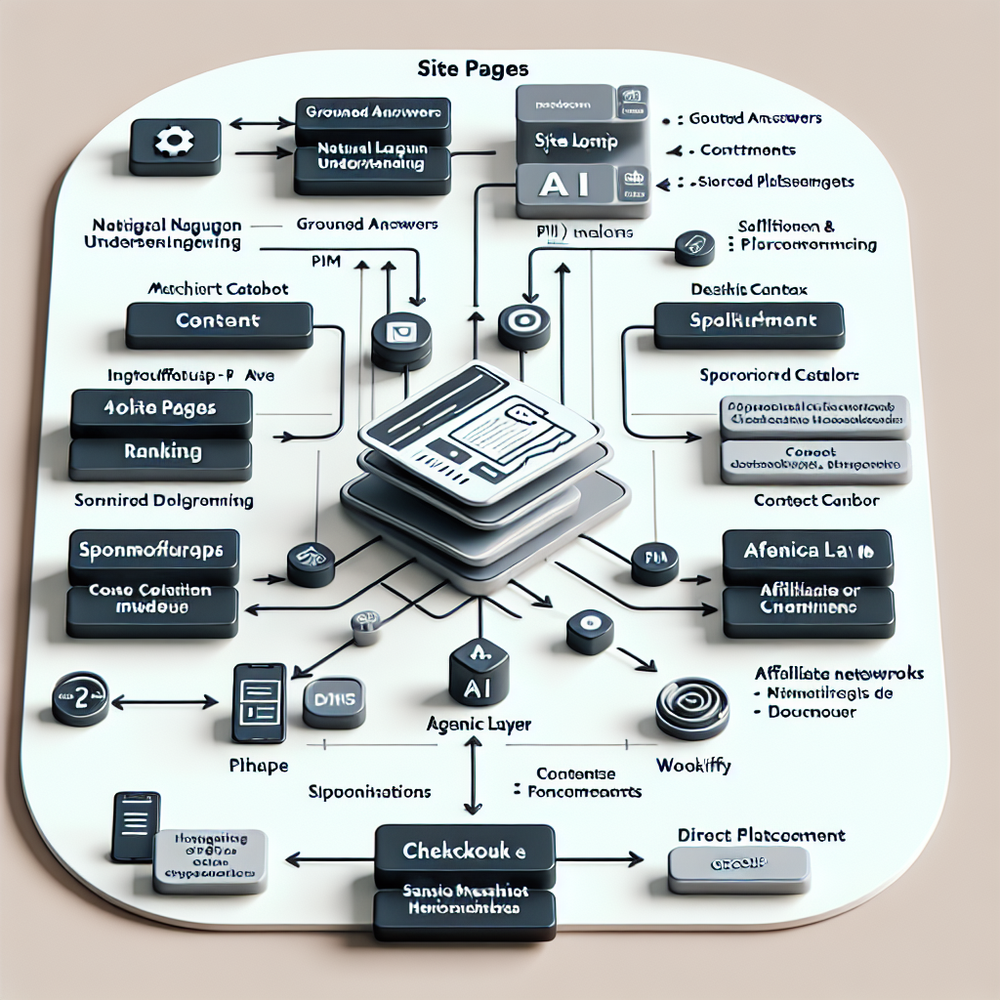
Brambles.ai connects your content and catalog to a conversational layer that understands intent and constraints, then surfaces ready-to-buy picks. Content intelligence indexes your site so the agent grounds answers in your pages, guides, and inventory. Product discovery parses natural language—budget, materials, use cases—and returns shoppable results with reasons to believe (fit, features, delivery). The floating AI shopping chat activates across pages without interrupting the reader’s flow.
Two things make it feel magical: context and completion. Proactive engagement tailors prompts to the page a shopper is on. Virtual try-on and view in room eliminate doubt for apparel and home, while direct add to cart collapses steps between advice and purchase. For service moments, AI customer service handles order lookup, FAQs, and returns—so the same agent can recommend and resolve.
Implementation Guide: From Zero to Live in a Week
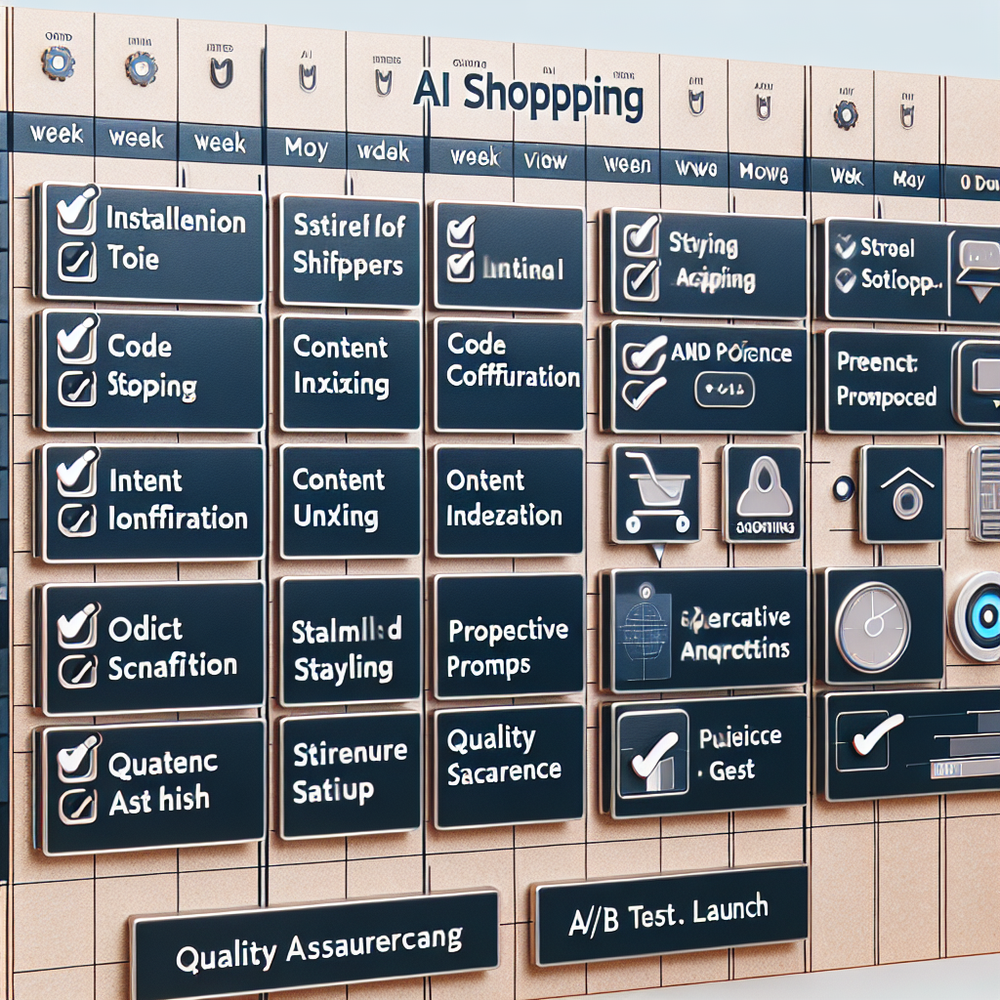
You can ship a high-quality pilot fast. Here’s a proven path we’ve used with brands and publishers:
- Day 1: Add the Agentic Commerce Module snippet on staging; index top categories and 10–20 evergreen articles.
- Day 2: Configure intents for high-value queries (e.g., “gift ideas under $50”, “work-from-home desk setups”).
- Day 3: Style with brand customization and set AI personality guidelines.
- Day 4: Turn on proactive engagement on 3–5 high-intent pages.
- Day 5: Wire direct add to cart and affiliate tracking, QA on mobile.
- Day 6–7: Launch 50/50 A/B test, monitor KPIs hourly.
Anecdote: on a 100k-session apparel site, that 7‑day rollout lifted add-to-cart rate 42% in the test cohort. Another publisher used the WordPress plugin and saw time-on-page increase 18% as readers asked follow-ups without leaving the article. Keep the first pilot tight and instrumented; you’ll learn fast.
Measuring ROI & KPIs That Matter
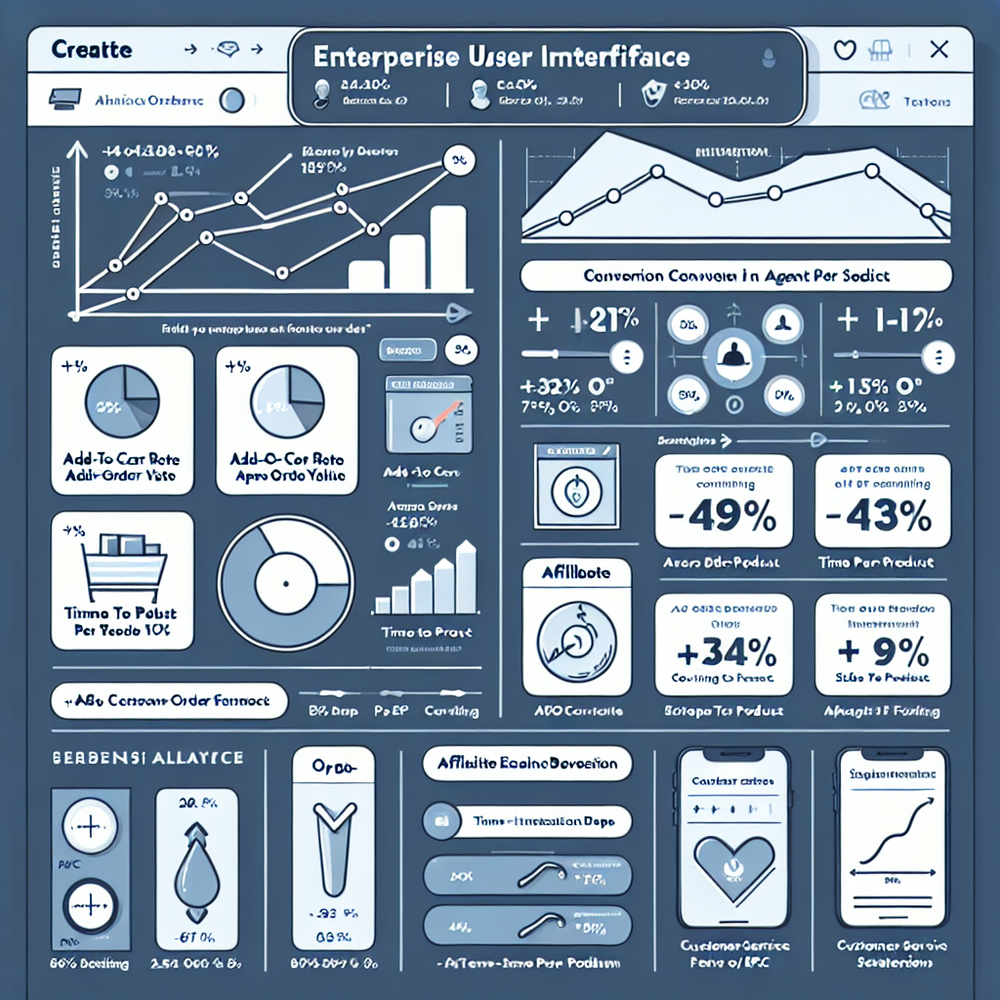
Decide what “good” means before launch. We track: add-to-cart rate from agent-assisted sessions, AOV, bounce rate change on entry pages, time-to-first-relevant result, revenue per session, and customer service deflection (tickets handled by the agent). For publishers, add affiliate EPC/RPC, click-through rate, and attach rate for bundles.
A/B well. Use a 50/50 split with holdout pages, and read results at the session level. In one CPG test, proactive prompts reduced pogo-sticking by 19% and increased product detail page depth by 27%. McKinsey has long noted that relevance lifts conversion; conversational UX lets you apply that at every step, not just on product pages. For monetization, Brambles supports affiliate revenue and retail media so you can prove blended yield, not just last-click sales.
First-Party Data, Trust, and Disclosure
Trust is the unlock. Disclose how the agent works and when affiliate links apply, then over-deliver on utility. We recommend adding a one-line disclosure at chat open and a persistent info icon linking to full details. Keep answers grounded in your content—no hallucinated specs—and make it obvious why items were recommended (fit, budget, delivery). Our guide on disclosure in conversational UIs covers the patterns that test well and won’t tank engagement.
For support use cases, keeping PII safe matters. Use the built-in AI customer service with scoped permissions for order lookup, returns, and FAQs—no broad data access. Enterprises can layer SLAs and SSO while staying cookieless-forward. If you want the bigger picture of where commerce UX is heading, our vision piece lays out why a transparent, ad-light model will win as third-party cookies fade.
Common Pitfalls and How to Avoid Them
Here’s a quick checklist to keep your rollout sharp:
- Don’t over-automate. Give humans an obvious handoff path for edge cases.
- Ground every answer. Index your articles and PDPs so the agent cites sources.
- Respect mobile. Prioritize speed and short prompts; avoid multi-step carousels.
- Display reasons to believe. Show size/fit, materials, delivery windows, and returns.
- Control merchandising. Pin priority SKUs and cap sponsored slots to protect trust.
- Test prompts. Proactive copy should be user-first, not salesy.
- Measure continuously. Ship with dashboards and weekly reviews.
- Start where intent is highest, then expand across editorial with inline embeds.
Future Outlook: Agentic Commerce Beyond Search
Agents are moving from reactive answers to proactive, multi-step help—think building a capsule wardrobe within budget, staging a small apartment, or surfacing videos that compare top picks. That’s where Brambles heads next: more agentic flows, richer context from your content, and seamless handoffs to checkout. Expect tighter mobile-native experiences and publisher-friendly monetization that feels like service, not ads.
If you want a structured primer on the business model shift, read our view on why conversational commerce is the next phase for affiliate and retail media. Then pick a pilot page, turn on the agent, and measure. You can always scale once you see the lift.
FAQ
Do AI shopping agents cannibalize navigation or search?
In tests, agents complement—not replace—navigation. Shoppers use agents to narrow first, then scan PDPs for confirmation. Google UX research shows people mix exploration and verification; a conversational layer speeds the exploration step while letting existing nav do its job.
How fast can we deploy Brambles.ai?
Most teams ship a pilot in a week using the Agentic Commerce Module or WordPress plugin. If you’re on Shopify, you can prep now and flip the switch when the app drops. Use the developer guides for a smooth setup and start with a contained A/B test.
What about affiliate disclosures and compliance?
Show a short disclosure in the chat header and link to details. Keep recommendations grounded and honest. We’ve documented tested patterns that preserve trust and CTR in conversational UIs.
Will it work on mobile and editorial pages?
Yes. The AI shopping chat is mobile-first, and you can drop inline shopping embeds into articles so readers can ask questions without leaving the page. This is where publishers see big time-on-page and yield lifts.
How is data handled in a cookieless future?
Brambles relies on first-party context and site indexing, not third‑party cookies. That keeps experiences relevant while respecting privacy. For strategy and roadmap, see our take on a cookieless, ad-light shopping internet.
Related resources on Brambles.ai
If you are implementing this, start with Brambles.ai, about Brambles.ai, developer docs, contextual ads.
Related posts
View all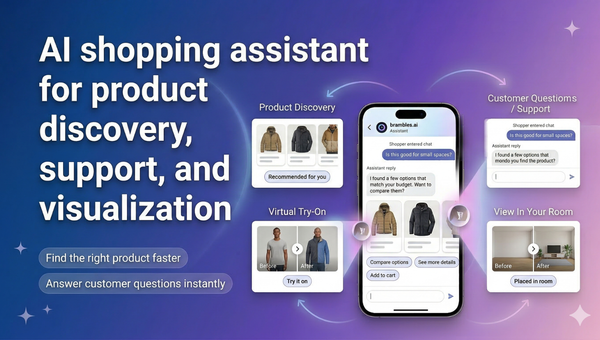
Brambles.ai Is Live on the Shopify App Store
Brambles.ai is live on the Shopify App Store, giving merchants an AI shopping assistant for discovery, support, try-on, and add-to-cart.
Brand-Consistent AI Chats Build Trust and Conversions
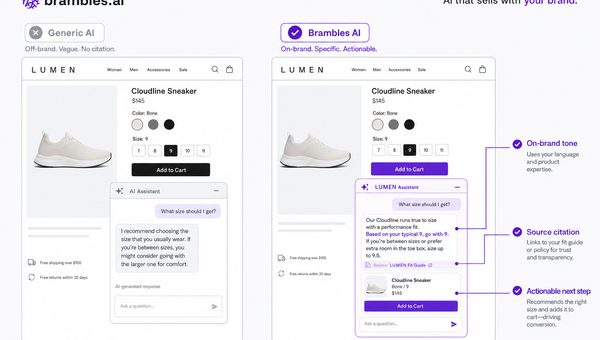
When AI mirrors your brand voice, shoppers relax—questions get answered, carts grow, and support load drops. Learn the playbook to align tone, trust, and ROI.
Shoppable Video Discovery: Conversions & Engagement Up
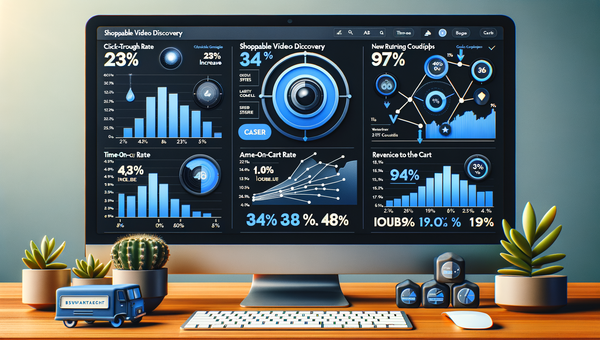
Tests show shoppable video discovery lifts conversion 18–35% and doubles watch time. See the UX patterns, KPIs, and how to deploy it quickly with Brambles.ai.
Explore Brambles.ai
Learn more about our AI-powered agentic commerce platform, agentic shopping, and shopping assistance solutions.
Explore More Insights
Discover more articles on AI, automation, and business innovation
View All Articles