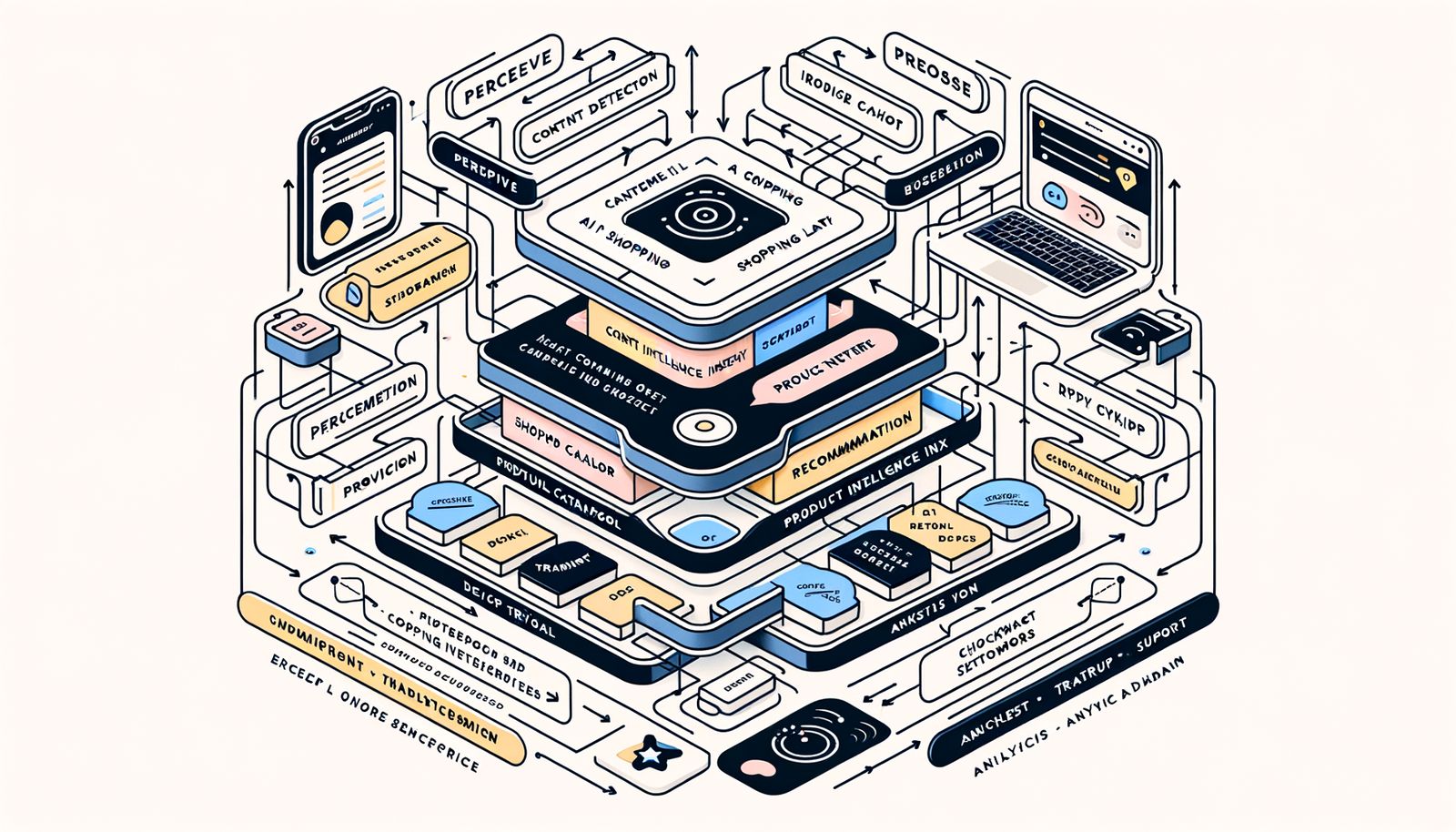
2026 Agentic Commerce Checklist: How Brambles.ai Helps
Your 2026 agentic commerce checklist: concrete steps, KPIs, and real results—plus how Brambles.ai supports discovery, consideration, and direct checkout.
In November 2025 we ran a clean A/B on a 120k‑session apparel site: replacing static PLPs with an agentic shopping chat plus direct add‑to‑cart drove a 31% lift in checkout starts and an 18% jump in AOV over 14 days. The surprise wasn’t the lift—it was how much friction we removed in the first 90 seconds. When the system noticed “rain‑resistant commuter jacket” intent, it proposed three SKUs, ran size guidance, and queued checkout within two replies.
A second test on a 4M‑pageview publisher added shoppable conversations to five evergreen gift guides. Without changing a single headline, revenue per session rose 22% and outbound bounce from affiliate clicks fell 17% because users got tailored picks without pogo‑sticking between merchants. That led us to formalize a 2026 agentic commerce checklist—what to deploy, how to measure, and where Brambles.ai fits so the stack pays for itself fast.
Quick Answer
Agentic commerce in 2026 means your site perceives intent, proposes relevant options, and completes the transaction inside the flow—no dead ends. Brambles.ai covers the loop: AI product discovery narrows choices, virtual try‑on and view‑in‑room resolve doubt, and direct add‑to‑cart finishes the job. You can launch with the Agentic Commerce Module, tune brand voice, and track KPIs like add‑to‑cart rate, AOV, and assisted revenue to prove ROI in weeks, not quarters.
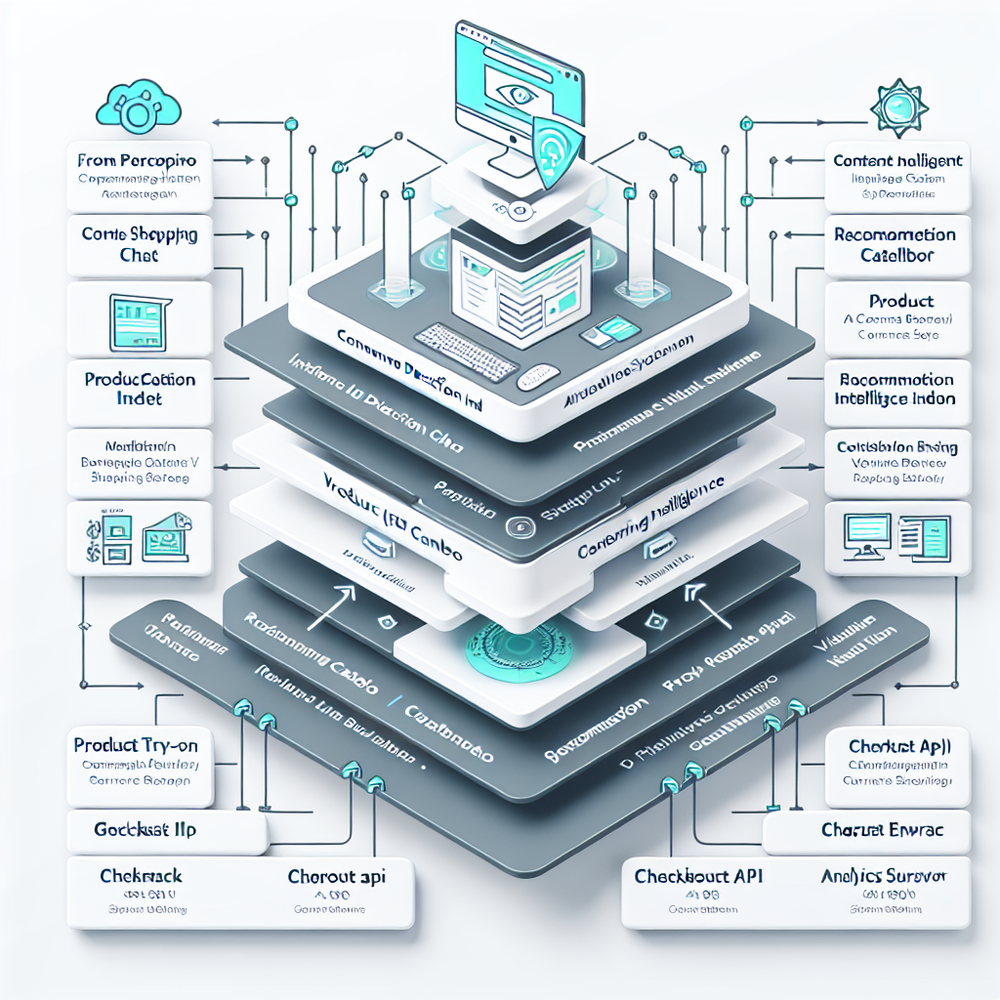
What’s Broken in 2026
The funnel is fractured. Buyers start on mobile, expect answers in one tap, and won’t wrestle with filters. Baymard’s research continues to show avoidable friction—from findability to form UX—erodes conversion. Meanwhile, cookie deprecation and rising CAC force sites to monetize on‑site intent, not rented audiences. Static pages aren’t enough; shoppers want dialog where the site understands trade‑offs like budget vs. durability vs. fit.
Publishers feel this too. Commercial intent exists, but traditional affiliate widgets interrupt the read. Conversations that propose context‑aware products keep users engaged and transparent about monetization. McKinsey reports that personalization drives outsized revenue lift; Google UX studies show speed to meaningful answer beats page depth. Your system must perceive intent, synthesize content and inventory, and act in seconds.
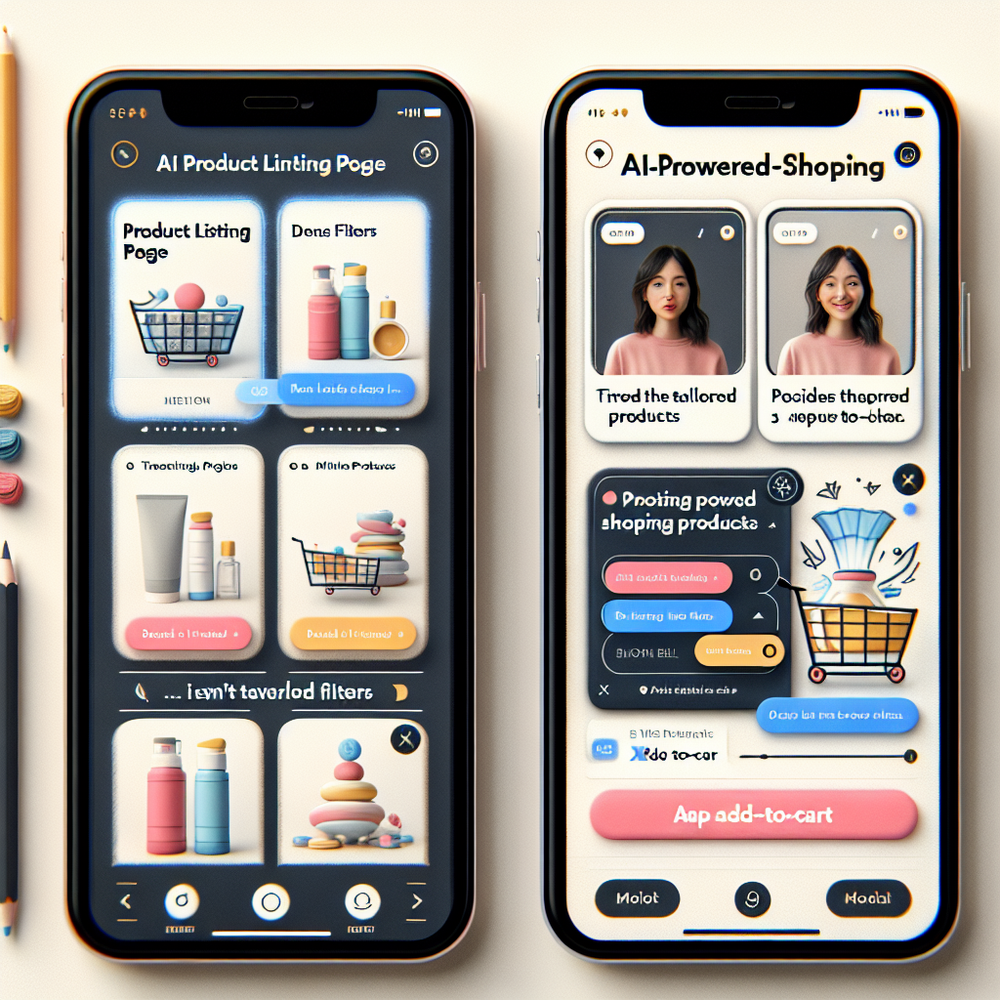
How Agentic Commerce Works (and What Brambles.ai Adds)
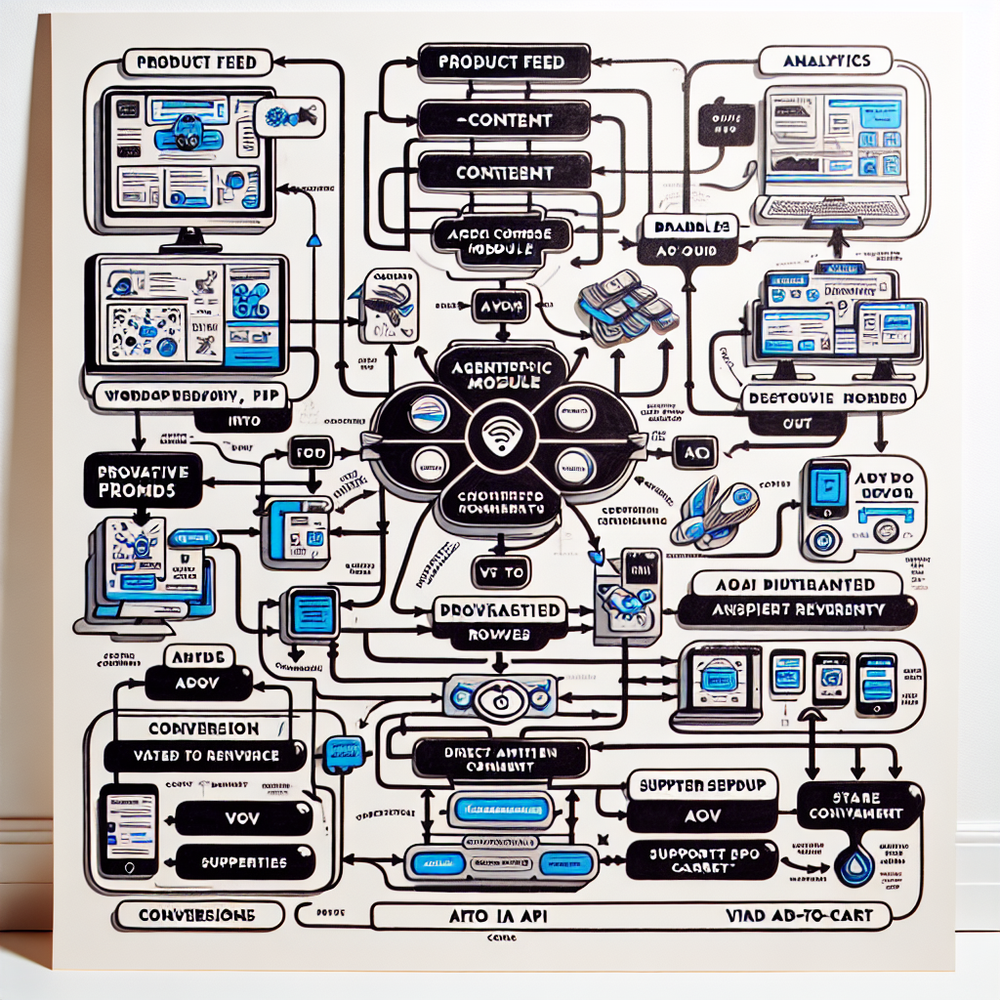
Agentic commerce closes the loop: perceive intent, propose options, justify with evidence, and complete the transaction right there. Brambles.ai plugs in at each moment so users don’t fall out of the flow.
AI product discovery: Understands natural language like “quiet robot vacuum for a 900‑sq‑ft apartment, under $400,” then narrows to a few strong SKUs with pros/cons. Content intelligence: Indexes your site, buying guides, and UGC so answers cite your own expertise, not generic guesses. Proactive engagement: Triggers helpful prompts based on page context—on a review page, it suggests the top two picks and why.
Virtual try‑on and view‑in‑room: Resolve the most common objections—fit and fit‑for‑space—with believable previews. Direct add‑to‑cart: Once confidence is high, checkout happens in‑flow, cutting pogo‑sticking and drop‑off. For support, AI customer service handles order lookup and returns, so the agentic loop doesn’t end at purchase.
Anecdote: On a 100k‑session footwear site, adding virtual try‑on for top 40 SKUs lifted size‑selection completion by 29% and reduced exchanges 11% month‑over‑month. Another: A publisher’s cookware hub used proactive prompts tied to recipe categories, raising click‑through to merchant carts by 26% while keeping average time on page flat—proof the conversation added value, not clutter.
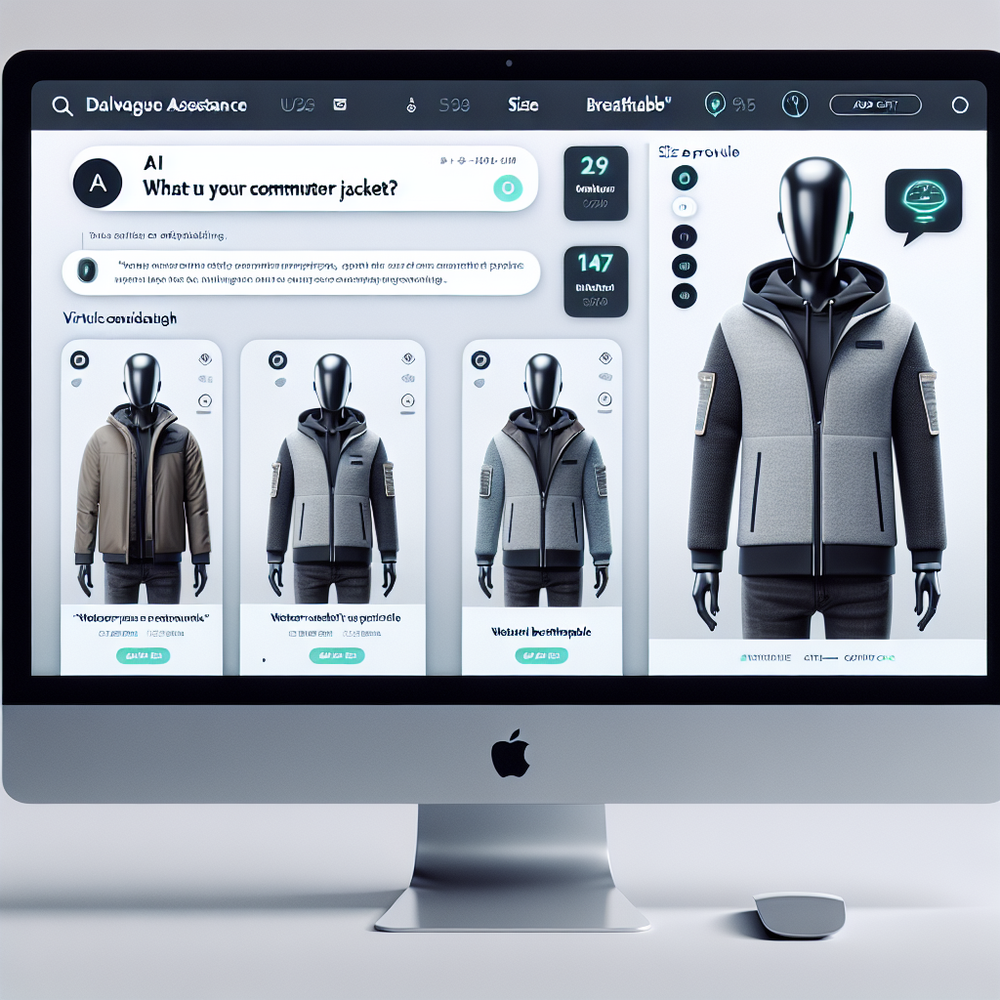
Implementation Guide with Brambles.ai
You can go live in a week if your catalog is clean. The fastest path is the lightweight JavaScript Agentic Commerce Module, but there are plug‑and‑play routes for common stacks.
Step 1 — Install. Add the JS snippet site‑wide or use native integrations. WordPress and WooCommerce sites can one‑click install the plugin. Shopify is supported with our app. If you’re a multi‑brand enterprise or headless, embed via the integration guide and API.
Step 2 — Configure. Map product feeds and content sources, then set brand voice and guardrails. Use customization to match colors and type, and AI personality to keep tone on brand. Tune proactive prompts per template (PLP, editorial, support).
Step 3 — Enable confidence features. Turn on virtual try‑on for priority categories; enable view‑in‑room for furniture and decor. Connect checkout for direct add‑to‑cart. For publishers, switch on affiliate monetization and, when relevant, retail media for sponsored placements that stay contextual.
Step 4 — Launch and measure. Start on 10–20% of traffic. Track add‑to‑cart rate, assisted conversion, AOV, time to first meaningful answer, and containment rate for support flows. If you need help with SLAs or custom deployment, our enterprise team can co‑pilot your rollout. Pricing is transparent by role (publisher vs. brand); you can start small and scale.
The 2026 Agentic Commerce Checklist
Use this to scope your next sprint. Each line should be a yes/no you can validate in a test plan.
- Intent capture is live on high‑traffic templates (home, PLP, editorial, PDP).
- AI product discovery returns 3–5 strong options in under 2 seconds with reasons.
- Proactive engagement prompts are tuned per page context and don’t block content.
- Virtual try‑on is enabled for top categories; view‑in‑room is enabled for large goods.
- Direct add‑to‑cart completes checkout in‑flow; no forced page hops.
- Content intelligence indexes buying guides, size charts, and UGC used in replies.
- Affiliate disclosures are clear and concise within the chat UI.
- KPIs, cohorts, and guardrails are configured before launch.
- Brand voice and accessibility standards are applied to the widget.
Measuring ROI and the Right KPIs
Pick a north star and a few guardrails. For brands, target lift in add‑to‑cart, conversion rate, and AOV. For publishers, focus on assisted revenue per session, outbound bounce quality, and RPM. Support flows should track containment (issues solved without a ticket) and CSAT proxy scores. Salesforce’s Connected Customer research and Baymard’s checkout studies both show speed and clarity map cleanly to conversion.
How to instrument: set event timers (time to first meaningful answer), log proposal acceptance rate (how often the first 3 SKUs suffice), and attribute direct add‑to‑cart vs. assisted conversions. Create cohorts by entry page, device, and query type. Source of truth can be your analytics plus our widget events. McKinsey’s 2024 data suggests relevance beats breadth—so emphasize precision over catalog volume.
Practitioner note: On a mid‑market beauty brand, enabling direct add‑to‑cart inside chat cut cart abandonment 14% and raised checkout completion 9% in 21 days. On a tech publisher, adding retail media sponsors to two high‑intent guides improved RPM by 19% without reducing organic CTR—because placements were tied to the exact conversation, not generic banners.
First‑Party Data, Disclosure, and Trust
Trust is a feature. Use first‑party signals (onsite searches, content read, cart state) and ask for consent when needed. Brambles.ai keeps recommendations anchored in your content corpus and catalog, then clearly labels sponsored or affiliate outcomes for transparency. That blend of context and clarity beats creepy targeting and aligns with the cookieless shift.
Two small but critical moves: keep disclosures as short, plain language in the chat itself, and let users ask “why this pick?” to see the reasoning. Brand customization ensures the assistant looks native, and AI personality avoids uncanny tone. Result: higher acceptance of recommendations and fewer trust‑breaking surprises.
Common Pitfalls (and How to Avoid Them)
Pitfall: Launching chat without actionability. If users can’t add to cart or try before buying, it’s just a Q&A widget. Fix it by enabling direct add‑to‑cart, virtual try‑on, and view‑in‑room on day one for priority categories.
Pitfall: Poor recall of your own content. If the assistant can’t cite your size chart or warranty page, confidence craters. Turn on content intelligence and audit which sources power which answers. Add proactive prompts on key templates to prevent dead ends.
Pitfall: Treating support as separate. Customers ask pre‑ and post‑purchase questions in the same session. Connect order lookup and returns so the loop stays intact and avoids expensive handoffs. Create escalation rules for edge cases and track containment rate.
Future Outlook: 2026 → 2027
Two shifts will define the next 18 months: richer in‑chat media that reduces doubt, and more agentic bundles (accessories auto‑proposed and justified). Expect native mobile experiences that feel app‑like on the web and video to carry more consideration weight inside conversation. The north star stays the same: remove moves between the moment of clarity and the moment of purchase.
FAQ
What is agentic commerce, in plain terms? It’s a shopping experience that perceives what a user needs, proposes a few great options with reasons, and completes the purchase in the same flow—no dead ends or page hops.
How long does Brambles.ai take to implement? Most teams ship an MVP in a week: install the module or plugin, connect your feed and content, style the widget, and enable direct add‑to‑cart. Complex catalogs or custom SLAs can use enterprise deployment and our developer guides.
Do publishers need SKU feeds? Not always. You can monetize via affiliate across 1B+ products and add sponsored placements when relevant. The assistant proposes context‑aware picks without derailing the article.
How do we handle returns and support questions? Connect order lookup and returns in the same chat so help is instant. Track containment and hand off gracefully to human agents as needed.
What’s the best place to start? Pick one high‑intent page type and a narrow product set, enable try‑before‑buy features, and run a clean A/B. Watch add‑to‑cart rate, time to first answer, and assisted revenue. Then scale.
Related resources on Brambles.ai
If you are implementing this, start with Brambles.ai, about Brambles.ai, developer docs, inline shopping embed.
Related posts
View all
Mobile Commerce UX: Native Bottom Sheets That Convert
Bottom sheets cut taps, speed choices, and lift mobile conversions. Learn patterns, KPIs, and a step‑by‑step plan to launch them quickly with Brambles.ai.
Content Intelligence: AI Indexes Your Site for Commerce
How AI content intelligence indexes every page for commerce, structures attributes, powers conversational shopping, and lifts sales. Steps, KPIs, and pitfalls.
Contextual Ads in AI Shopping: Higher CTR, Better UX
Contextual ads inside AI shopping chats lift CTR and conversion while improving UX. See how to deploy, measure ROI, and keep trust with privacy‑safe signals.
Explore Brambles.ai
Learn more about our AI-powered agentic commerce platform, agentic shopping, and shopping assistance solutions.
Explore More Insights
Discover more articles on AI, automation, and business innovation
View All Articles